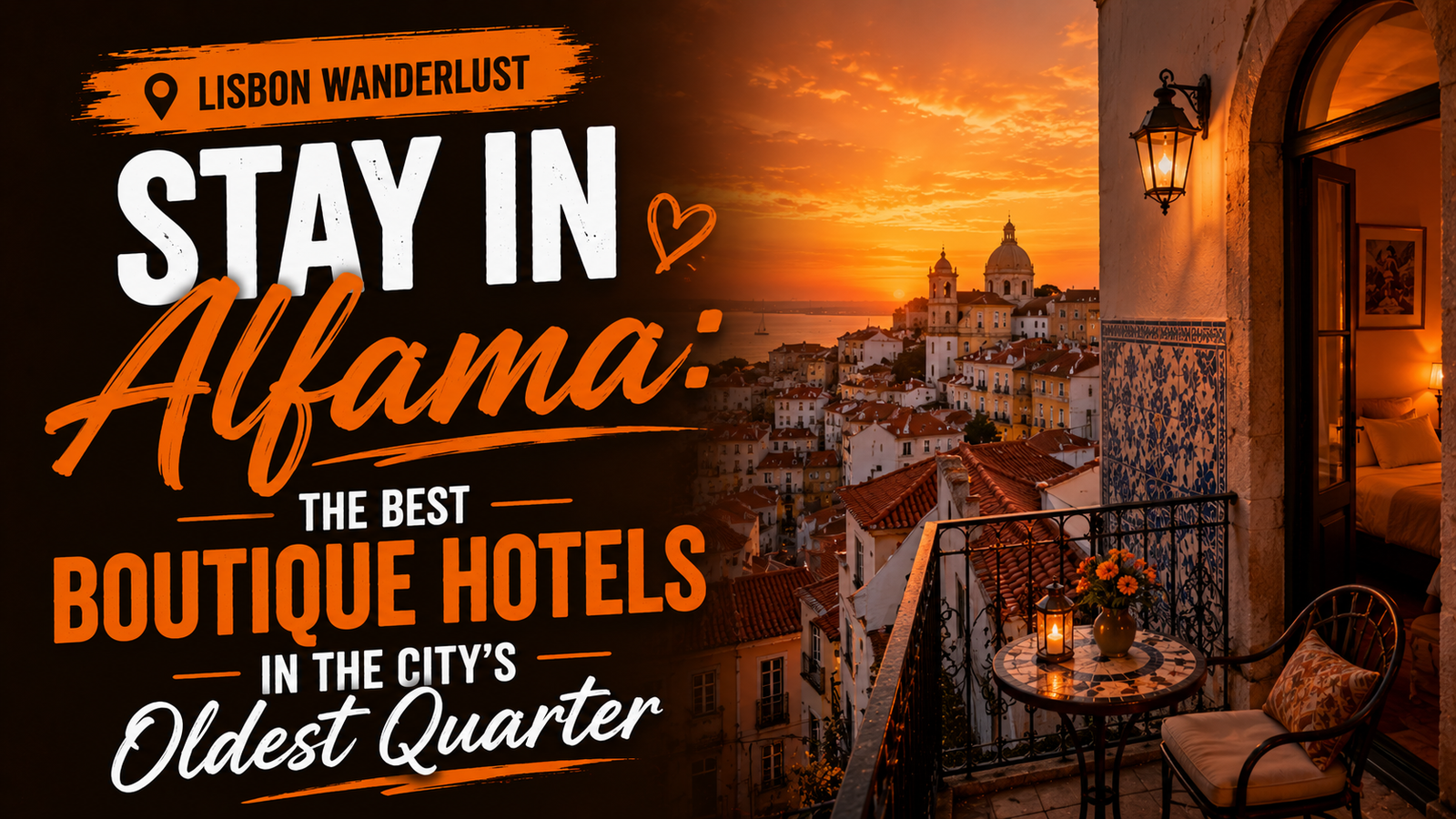
Stay in Alfama: The Best Boutique Hotels in the City’s Oldest Quarter
Alfama represents the historical nucleus of Lisbon, characterized by a complex labyrinth of narrow alleys, steep staircases, and medieval urban planning that survived the 1755 earthquake. For travelers, choosing to stay in this district is a decision to prioritize atmosphere and heritage over modern grid layouts. Understanding the geography of the oldest quarter is essential for logistical planning before booking a boutique property.
Geographic and Atmospheric Overview
Alfama is situated on a steep slope between the São Jorge Castle and the Tagus River. The district is defined by its “becos” (alleys) and “escadinhas” (stairways). While the aesthetic is dominated by white-washed facades and terracotta roofs, the functional reality involves significant physical exertion. Visitors should note that many boutique hotels are housed in refurbished centuries-old buildings where elevators may be small or non-existent due to structural preservation laws.
Transport Infrastructure and Accessibility
Navigating Alfama with luggage requires specific tactical knowledge. The neighborhood is largely pedestrianized or restricted to local resident vehicles.
- The 28E Tram: This iconic yellow tram bisects the upper part of Alfama. While a primary transport link, it is frequently at capacity with tourists. For guests staying in upper Alfama (near the Cathedral or Miradouro de Santa Luzia), this is the primary rail link.
- Metro Connectivity: The Santa Apolónia station (Blue Line) serves as the primary gateway at the base of the hill. It is the most efficient arrival point for those traveling from Lisbon Portela Airport (LIS) via the metro system.
- Taxi and Rideshare Constraints: Most GPS systems struggle with Alfama’s narrow corridors. Drivers will typically drop passengers at designated “Praças” (squares) such as Largo do Chafariz de Dentro or Largo das Portas do Sol. From these points, a 2-to-10-minute walk on uneven cobblestones is often required to reach hotel entrances.
Strategic Location Value
Staying in Alfama provides immediate, walkable access to several of Lisbon’s highest-tier cultural landmarks:
- Castelo de São Jorge: The Moorish citadel offering 360-degree views.
- Lisbon Cathedral (Sé): The oldest church in the city, showcasing Romanesque architecture.
- Fado Museum: A critical resource for understanding the UNESCO-recognized musical heritage deeply rooted in these streets.
- National Pantheon: Located on the eastern edge, recognizable by its massive white dome.
Selecting a boutique hotel in this quarter offers a “stay-in-history” experience that modern districts like Parque das Nações cannot replicate. However, the trade-off involves navigating steep terrain and the localized soundscape of Fado performances that often continue into the late evening hours.
The Logic of Selection (Criteria)
Defining a “boutique hotel” in Alfama requires a shift away from standardized luxury metrics. In this district, premium status is determined by the successful integration of historic preservation with functional modern technology. The following criteria establish the baseline for the properties selected in this guide.
Architectural Heritage vs. Modern Utility
Most high-end accommodations in Alfama are adaptive reuse projects. They occupy former aristocratic palaces (Palacetes), convents, or traditional residential blocks.
- Structural Integrity: Authenticity is prioritized, meaning original stone walls and azulejos (tiles) are often visible in guest rooms.
- The Elevator Factor: Due to strict heritage protection laws (DGPC), modifying ancient structures to include elevators is technically challenging. A “best” boutique property in this district is one that has successfully integrated lift access without compromising the building’s historical soul.
Climate Control and Soundproofing
Lisbon’s climate and Alfama’s social atmosphere present specific challenges that top-tier hotels must address:
- HVAC Systems: Many traditional buildings lack central ventilation. Premium hotels install silent, high-efficiency split-system air conditioning to manage summer temperatures that often exceed 30°C.
- Acoustic Insulation: Alfama is a “living” neighborhood. The sounds of Fado coming from nearby “tascas” and the grind of the 28E tram on iron rails are part of the charm, but can disrupt sleep. Selection criteria include the use of double or triple-glazed windows to ensure a quiet interior environment.
Accessibility and the “Last Mile”
A property’s value is significantly impacted by how it handles the district’s verticality.
- Proximity to Flat Access: Hotels located near the “Portas do Sol” or the riverside “Rua do Jardim do Tabaco” are favored for their relative ease of access by vehicle.
- Luggage Support: Top boutique hotels provide dedicated porterage services to assist guests from the nearest vehicle-accessible point to the lobby.
The Top-Tier Boutique Properties
The following hotels represent the pinnacle of Alfama’s hospitality sector, each offering a distinct logistical and aesthetic profile.
1. Santiago de Alfama – Boutique Hotel
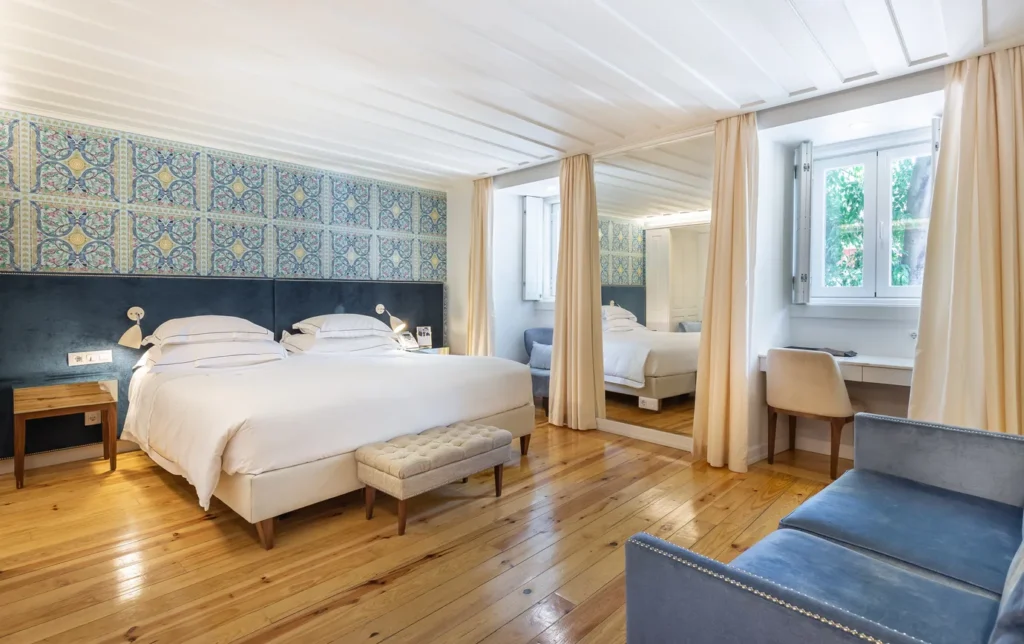
Housed in a fully restored 15th-century palace, this property is located on the Rua de Santiago, precisely on the route the kings of Portugal once took to reach the castle.
- Architectural Heritage: The building was once the “Palácio dos Castros.” During renovation, significant Roman and Moorish ruins were discovered and preserved within the structure.
- Room Strategy: There are 19 rooms, each unique. The Santiago Suite offers expansive views of the Tagus River and the red-tiled roofs of the neighborhood. Lower-level rooms often feature original exposed stone.
- Logistics: The hotel is approximately a 5-minute uphill walk to São Jorge Castle. Access by taxi is possible directly to the door, a rarity in this district.
- Price Range: €350 – €600 per night depending on the season and suite category.
2. Memmo Alfama – Design Hotel
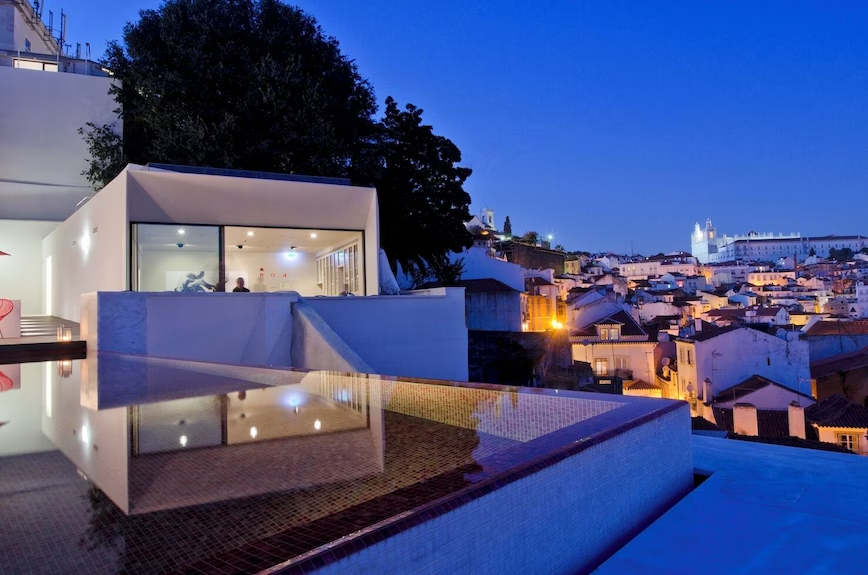
This 42-room property is a premier example of contemporary minimalism integrated into a 19th-century facade. It was formerly a shoe polish factory and later a bakery.
- Key Feature: The red-tiled infinity pool on the terrace provides one of the city’s most documented views of the Tagus River and the Igreja de São Vicente de Fora.
- Specific Advice: Opt for the “Alfama Superior” rooms (specifically rooms 22 or 33) for dual vistas of the city and the river. Note that this is an Adults-Only (16+) property.
- Logistics: Located just behind the Lisbon Cathedral (Sé). While the street is narrow, a small turnaround area allows for efficient drop-offs.
- Price Range: €230 – €450 per night.
3. Palacete Chafariz d’El Rei
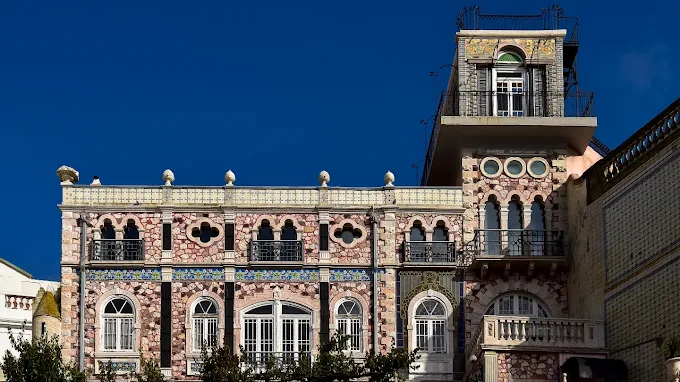
A Neo-Moorish palace dating back to the late 19th century, this hotel is designed for travelers seeking maximalist historical grandeur.
- Interior Design: The property features original stained-glass windows, Art Nouveau stuccos, and a wood-paneled library. It feels more like a private aristocratic residence than a commercial hotel.
- The “Know-Before-You-Go”: The entrance is located at the top of a flight of stairs in a small alleyway. It is not suitable for those with severe mobility restrictions.
- Information Gain: The breakfast room, the Espelhos Gallery, overlooks a private terraced garden—a rare green space in the dense Alfama urban fabric.
- Price Range: €200 – €550 per night.
4. Hotel Convento do Salvador
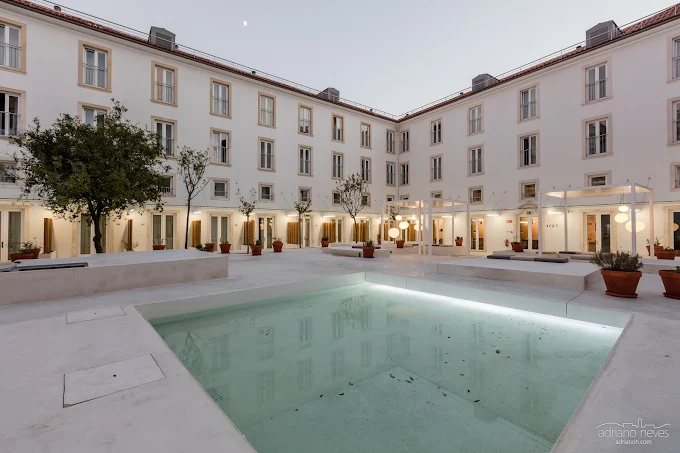
This property is situated in one of the oldest convents in the city. Unlike the more romanticized boutique hotels, this one focuses on functional, clean lines and local contemporary art.
- Accessibility: This is one of the most accessible hotels in the district. It offers rooms specifically adapted for guests with reduced mobility and families.
- Transport Advantage: The Tram 28 stops nearly at the front door, making it an ideal base for those using public transit.
- Price Range: €140 – €280 per night.
Hotel Comparison Table
Neighborhood Logistics & Troubleshooting
Choosing a boutique hotel in Alfama requires a pragmatic approach to logistics. Unlike the wide boulevards of Avenida da Liberdade, Alfama operates on a medieval scale. Successful navigation depends on understanding the district’s unique transit constraints and environmental factors.
Navigating the “Vertical City” with Luggage
The primary challenge for guests is the transition from a vehicle to the hotel lobby.
- The Cobblestone Factor: Most streets are paved with “Calçada Portuguesa” (small limestone cubes). These are aesthetically significant but incompatible with small, plastic suitcase wheels. Travelers should prioritize luggage with robust, oversized wheels or utilize the porterage services offered by higher-end properties like Santiago de Alfama.
- Vehicle Access Zones: Large coaches and standard buses are physically unable to enter the core of Alfama. Even Mercedes-Benz E-Class taxis may struggle with certain turns. For properties located deep in the “Beco” network, guests should expect a “last mile” walk of 100 to 300 meters on an incline.
Public and Alternative Transport Tactics
- Gira Bike Sharing: While Lisbon has a robust bike-sharing program, Alfama is largely unsuitable for cycling due to the gradient and the slippery nature of the stones when damp.
- Tuk-Tuks: These electric vehicles are ubiquitous in the district. While often viewed as a tourist novelty, they are a functional necessity for reaching hotels like Chafariz d’El Rei if the guest wishes to avoid the climb from the riverfront. Establish the fare before departure; a short transit within the district should typically range between €10 and €15.
- Elevators and Funiculars: Utilize the Elevador de Santa Luzia (located near the viewpoint of the same name) to move vertically between the lower riverfront areas and the upper castle district without manual climbing.
Noise Management and the “Fado Soundscape”
Alfama is the birthplace of Fado, and many boutique hotels are situated directly above or adjacent to active “Casas de Fado.”
- The 11:00 PM Threshold: In accordance with local noise ordinances, outdoor dining and amplified music typically subside by midnight, but the natural acoustics of the narrow alleys mean that even low-level conversation can echo.
- Room Selection Tip: When booking, request a “rear-facing” room if the hotel is located on Rua de São João da Praça or Largo do Chafariz de Dentro to minimize street-level noise.
Curated Experiences for Hotel Guests
Staying in Alfama provides a strategic advantage for accessing cultural sites before the midday peak of day-trippers.
Early-Access Landmark Strategies
- Castelo de São Jorge: The gates open at 9:00 AM. Guests staying in the upper quarter (near Santiago de Alfama) can arrive at the ticket office by 8:45 AM to avoid the hour-long queues that form by 11:00 AM.
- Feira da Ladra (Thieves’ Market): This historic flea market takes place every Tuesday and Saturday at Campo de Santa Clara. Guests staying at Hotel Convento do Salvador are within a 5-minute walk. Arriving at 8:00 AM is essential for those seeking authentic antiques or vintage azulejos before the professional dealers clear the best inventory.
Essential Neighborhood Resources
- Grocery and Supplies: Large supermarkets are absent from the interior of Alfama. Small “Mercearias” (traditional grocers) provide basics. For a more comprehensive selection, the Pingo Doce supermarket inside the Santa Apolónia Train Station is the most reliable resource.
- Pharmacies: The Farmácia Travassos on Rua dos Remédios is a centrally located landmark for medical essentials and is familiar with assisting international travelers.
Hidden Viewpoints (Miradouros) Away from Crowds
While Miradouro de Santa Luzia is the most famous, it is frequently overcrowded. Guests should instead navigate to:
- Miradouro de Santo Estêvão: Located in front of the church of the same name, this terrace offers a quieter, wide-angle view of the Tagus.
- Recolhimento Viewpoint: A semi-hidden garden near the castle that provides a park-like setting with significant shade—a rarity in the stone-heavy district.
Strategic Dining Knowledge
To avoid “tourist traps,” look for establishments without “promoters” standing outside. Authenticity is often found in places with “Prato do Dia” (Plate of the Day) written on a chalkboard. In Alfama, the grilled sardines (seasonal) and “Bacalhau à Brás” are the regional staples that define the local culinary identity.
This guide provides the framework for a high-utility stay in Lisbon’s most complex district. By prioritizing logistics and factual neighborhood data, travelers can ensure their experience in Alfama is defined by its historical beauty rather than its physical challenges.
Infrastructure and Connectivity for the Modern Traveler
While Alfama is celebrated for its antiquity, a high-utility stay requires modern digital and financial infrastructure. Travelers must balance the medieval setting with the practical needs of 21st-century travel.
Digital Connectivity and Cellular Dead Zones
The high density of Alfama’s stone walls—some exceeding one meter in thickness—presents a unique challenge for mobile data.
- Signal Penetration: Inside many boutique hotels, cellular signals (4G/5G) can drop significantly. It is imperative to confirm that a property offers high-speed fiber-optic Wi-Fi in the rooms, not just the lobby.
- Public Hotspots: Beyond the hotels, “Lisboa Free Wi-Fi” hotspots are available at major squares like Largo das Portas do Sol. However, for consistent navigation through the maze-like alleys, a local eSIM (such as those from MEO, NOS, or Vodafone) is recommended.
Financial Logistics: ATMs and Currency
Alfama remains one of the more cash-reliant districts in Lisbon, particularly for small “tascas” and traditional craft shops.
- The “Multibanco” Network: Automated Teller Machines (ATMs) in Portugal are branded as “Multibanco.” These are safer and offer lower fees than the generic “Euronet” blue-and-yellow machines found in high-traffic tourist areas.
- Strategic ATM Locations: Reliable Multibanco terminals are located at the Santa Apolónia Train Station and near the Sé Cathedral. Avoid using ATMs in secluded alleys after dark for basic security hygiene.
Seasonal Strategy and Environmental Awareness
The experience of staying in an Alfama boutique hotel fluctuates significantly with the Portuguese seasons. Planning the visit around these environmental factors ensures a more comfortable stay.
The Impact of Humidity and Temperature
- Winter (November–February): Lisbon’s winters are mild but exceptionally humid. In older stone buildings, this can manifest as a “chill” that penetrates the walls. Ensure the chosen boutique hotel features integrated heating or “climatização.”
- Summer (June–August): The heat is intensified by the lack of wind in the narrowest alleys. Properties with rooftop pools, such as Memmo Alfama, provide a necessary heat-relief valve that street-level pensions do not.
The Santo António Festival (June)
Prospective guests should be aware of the “Santos Populares” festivities, particularly on the night of June 12th.
- Logistical Lockdown: Alfama becomes the epicenter of the city’s street parties. Most streets are impassable by vehicle, and noise levels remain at peak until dawn.
- Booking Advice: If a traveler seeks quietude, June is not the month for Alfama. However, for those seeking cultural immersion, booking a hotel with a private balcony overlooking the “Arraiais” (street parties) offers a front-row seat to Portugal’s most significant folk tradition.
Summary of Guest Requirements
To maximize the value of a stay in a boutique property within Alfama, travelers should use the following checklist to ensure their choice aligns with their physical and logistical needs:
- Mobility Audit: Does the hotel have an elevator, or does it require climbing multiple flights of stairs?
- Access Point: Where is the exact vehicle drop-off point relative to the hotel entrance?
- Climate Control: Is there verified air conditioning and heating in the specific room category?
- Acoustics: Are the windows double-glazed to mitigate the sound of Tram 28 and Fado performances?
- Proximity to Transit: How far is the walk to the Santa Apolónia Metro or the Portas do Sol tram stop?
By choosing one of the vetted boutique properties—be it a converted 15th-century palace or a minimalist modern design hotel—visitors to Lisbon can ensure their stay in Alfama is defined by seamless logistics and authentic historical resonance. This district is not merely a place to sleep; it is a complex, living museum that requires careful navigation and expert selection to truly appreciate.
Final Resource Table: Key Points of Interest Near Alfama Hotels
| Landmark | Distance from Alfama Core | Function | Recommended Visit Time |
| São Jorge Castle | 0.4 km (Uphill) | Historical Fortress | 09:00 (Opening) |
| Santa Apolónia | 0.5 km (Downhill) | Train/Metro/Supermarket | Anytime for Logistics |
| Fado Museum | 0.2 km (Flat) | Cultural Education | 11:00 – 15:00 |
| Portas do Sol | 0.1 km (Uphill) | Major Transit/Viewpoint | Sunrise for Photos |
| National Pantheon | 0.8 km (Flat/East) | National Monument | Tuesday/Saturday (Market Days) |
2026 Budgeting and Economic Logistics
Planning a stay in Alfama for 2026 requires an updated understanding of Lisbon’s travel economy. Following significant post-pandemic shifts and inflation adjustments, the costs for boutique hospitality and local services have stabilized at a new baseline.
2026 Price Benchmarking
For a mid-to-high-tier experience in a boutique hotel, travelers should budget based on the following current market rates:
- Boutique Accommodation: Standard rooms in highly rated properties (like Hotel Convento do Salvador) now start at approximately €180–€210 per night. Premium suites with river views in 5-star heritage buildings (like Santiago de Alfama) range from €350 to over €600 during the peak summer months.
- Dining: A “Prato do Dia” (fixed-price lunch) in a traditional Alfama tasca typically costs €12–€15. A formal dinner at a high-end Fado house or a modern Portuguese bistro will average €45–€70 per person, excluding premium wines.
- The Tourist Tax: As of 2026, the municipal tourist tax in Lisbon is €2 to €4 per night per person (up to a maximum of seven nights). This is usually collected by the hotel at check-in or check-out and is not included in the initial booking price.
Transport Fares and Payment Systems
The “Viva Viagem” and “Navegante” cards remain the primary methods for navigating the city.
- Metro and Tram Fares: A single journey currently costs €1.90.
- Zapping: Pre-loading a card with “Zapping” credit reduces the per-trip cost to approximately €1.72, providing the best value for travelers who plan to use the 28E tram or the Metro from Santa Apolónia frequently.
- 24-Hour Passes: For those planning a high-density sightseeing day involving the metro, trams, and public elevators, the 24-hour unlimited pass is priced at €7.25.
2026 Development and Future Infrastructure
Alfama is at the center of several urban renewal and transport projects scheduled for completion or major progress in 2026. These developments directly impact how guests experience the district.
The LIOS Oriental and the 16E Tramline
A major infrastructure project, the 16E Tram Line, is currently under development. This line is designed to connect Praça do Comércio to the eastern districts, passing through Santa Apolónia.
- Utility for Guests: Once fully operational, this will significantly reduce the travel time from Alfama’s riverfront to the modern Parque das Nações district and the Oriente transport hub, cutting the journey from 60 minutes to approximately 35 minutes.
- Construction Impact: Travelers staying near the riverfront (e.g., near Palacete Chafariz d’El Rei) may encounter localized construction activity along the main road arteries as tracks are integrated.
Metro Network Expansion
The extension of the Metro Green Line, which connects Cais do Sodré to Rato, is reaching its final phases in 2026.
- Direct Benefit: While the Metro does not enter the heart of Alfama, the improved “Circular Line” efficiency makes it faster for Alfama guests to reach the upscale shopping districts of Chiado and Avenida da Liberdade via the Santa Apolónia interchange.
Final Expert “Know-Before-You-Go”
To conclude this guide, here are the essential troubleshooting tips for a seamless Alfama stay in 2026:
- The “Pink” and “Blue” Rules: When navigating, look for the color-coded signs of the “Percursos Pedonais” (Pedestrian Routes). The blue signs typically lead toward the river (Santa Apolónia), while pink or brown signs lead toward major historical landmarks like the Castle.
- Laundry Logistics: Because many boutique hotels are in historic buildings, in-room laundry machines are rare. For longer stays, utilize the Self-Service Laundries (Lavandarias Self-Service) found along Rua dos Remédios; they are significantly cheaper than hotel dry-cleaning services.
- Water Safety: Tap water in Lisbon is high-quality and safe to drink. Travelers should use reusable bottles and take advantage of the historic “Chafarizes” (fountains) found in Alfama’s squares, many of which still provide potable water.
- Booking Window: For the boutique properties mentioned in Section 3, a minimum 3-to-4-month lead time is recommended for stays between May and September. For the Santo António festival in June, a 6-to-8-month lead time is required to secure a room with a view.
By adhering to this factual, logistical framework, visitors can navigate the ancient complexities of Alfama with the precision of a local, ensuring their stay in Lisbon’s oldest quarter is both culturally rich and logistically sound.
2026 Regulatory and Safety Standards
Maintaining a high standard of travel in Alfama requires awareness of the latest municipal regulations and safety protocols implemented as of 2026. These updates ensure that visitors remain compliant with local laws while safeguarding their personal belongings in high-traffic areas.
Updated Municipal Tourist Tax (2026)
As of early 2026, the Lisbon City Council has standardized the municipal tourist tax to reflect the city’s increased investment in heritage preservation.
- Current Rate: The tax is €4.00 per guest, per night, applicable to all individuals aged 13 and over.
- Cap and Exemptions: This fee is capped at a maximum of seven consecutive nights (€28.00 per person). It is typically paid directly to the boutique hotel during the check-in process. Note that this tax is separate from the nightly room rate and is used specifically for urban cleaning and tourism infrastructure in districts like Alfama.
Physical Safety and Crime Prevention
Alfama is one of Lisbon’s safest residential neighborhoods, yet its narrow, dimly lit corridors require basic situational awareness.
- Pickpocketing Trends: High-traffic transit points, specifically the Tram 28E stops at Largo das Portas do Sol and Rua das Escolas Gerais, remain primary areas for opportunistic theft. Travelers should utilize crossbody bags with anti-theft zippers.
- Emergency Infrastructure: In 2026, the “Safe City” program has increased the presence of discrete CCTV and improved LED street lighting throughout the Alfama labyrinth. For immediate assistance, the PSP (Polícia de Segurança Pública) station located near the Sé Cathedral is the primary contact point for tourists.
echnical Reference and Official Contacts
For a comprehensive stay, travelers should have immediate access to the following technical resources and official platforms for real-time updates.
Official Transit and Heritage Portals
- Carris (Buses & Trams): carris.pt – Check for real-time “Perturbações” (disruptions) on the 28E and 12E lines.
- Metropolitano de Lisboa: metrolisboa.pt – Status of the Santa Apolónia (Blue Line) and the ongoing Circular Line expansion.
- DGPC (Cultural Heritage): patrimoniocultural.gov.pt – Essential for verifying museum hours and castle access during state events.
2026 Connectivity Checklist
| Service | Recommendation | Estimated Cost (2026) |
| Local SIM/eSIM | MEO or Vodafone (5G) | €15–€20 (10GB-30GB) |
| Lisboa Card | 24, 48, or 72-hour pass | €22–€46 |
| Airport Transfer | Metro (Red to Blue Line) | €1.90 (single) / €1.72 (Zapping) |
| Standard Coffee | “Bica” at a local café | €0.80–€1.10 |
Final Conclusion
Choosing a boutique hotel in Alfama is a commitment to experiencing Lisbon’s foundational history. By utilizing properties that balance 2026 modernities—such as fiber-optic connectivity and advanced climate control—with the district’s medieval structural integrity, travelers can ensure a frictionless experience. Navigating the terrain requires physical preparation and logistical foresight, but the reward is a stay within one of Europe’s most authentic and architecturally significant urban environments.
For the most accurate and current information, readers are encouraged to consult the official hotel websites and the Lisbon municipal portals provided above.