Lisbon Cathedral (Sé de Lisboa): Visiting the City’s Oldest Spiritual Heart
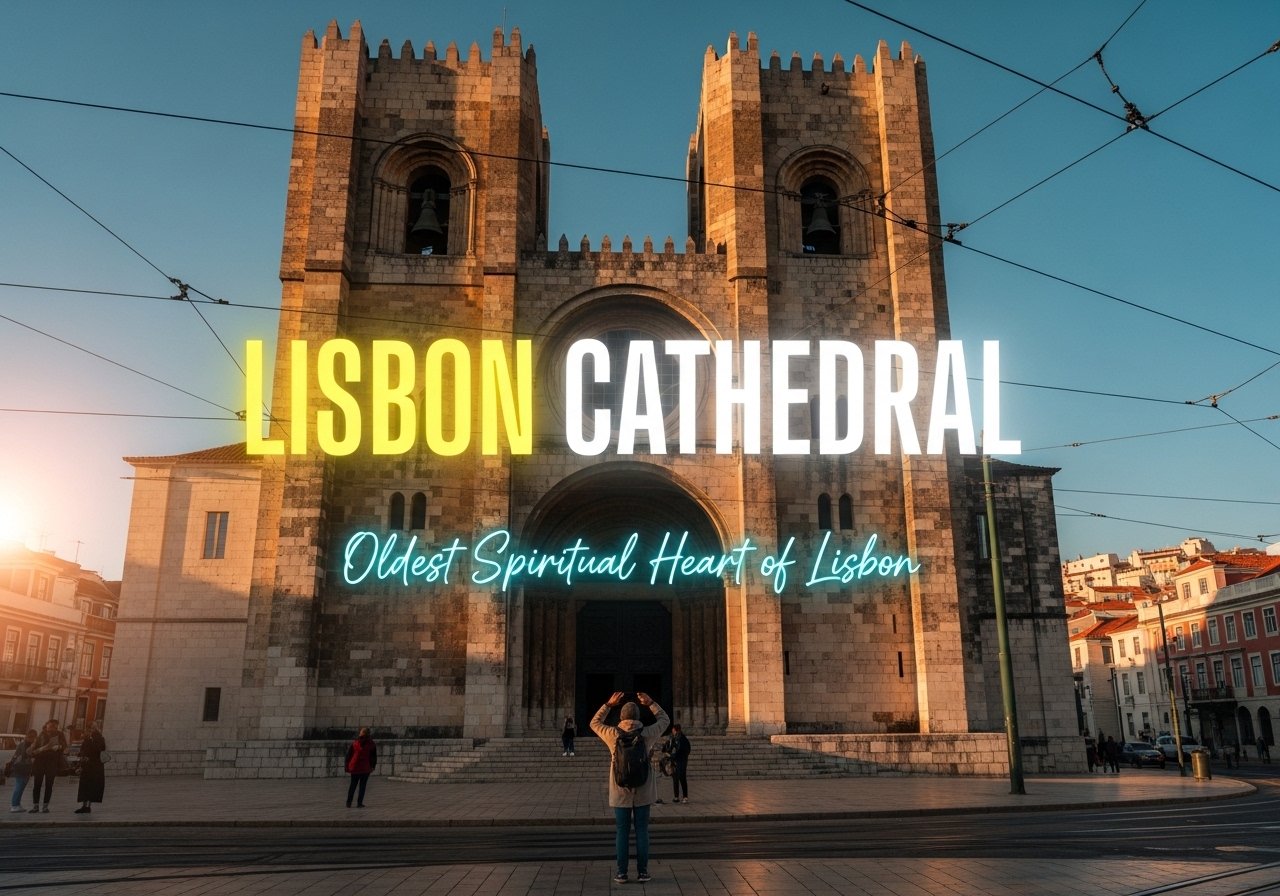
The Lisbon Cathedral, known locally as the Sé de Lisboa, stands as a massive stone guardian at the edge of the Alfama district. This ancient structure is more than just a church; it is the oldest and most important religious building in the city. Its twin towers have watched over Lisbon for nearly nine centuries, surviving wars and natural disasters.
Stepping toward the cathedral feels like traveling back to the medieval era. The thick, fortress-like walls were designed to protect the city during the 12th-century crusades. Today, it remains a peaceful landmark where history and spirituality meet under the warm Portuguese sun.
Visiting this site is a must for any traveler exploring the capital. It offers a unique look at how the city has changed from its Moorish roots to the present day. Whether you are seeking history or a quiet moment, the atmosphere here is truly something special.
Architectural Alchemy: A Mix of Styles

The Sé is famous for its “castle-church” appearance, which is a classic example of Romanesque architecture. When it was built in 1147, it needed to serve as both a place of worship and a defensive stronghold. You can still see the battlements along the roof, which made it look like a fortress to outsiders.
Over the years, the cathedral became a beautiful mix of different artistic styles. After the great earthquake of 1755, many parts were rebuilt with Gothic and Baroque elements. This creates a fascinating visual story where different eras of history live side-by-side in one building.
One of the most striking features is the large Rose Window positioned high above the entrance. It filters the sunlight into colorful patterns that dance across the cool stone interior. It is one of the most photographed details of the cathedral’s facade and is best viewed from the nave.
The Sé is not just a building; it is the resilient soul of Lisbon, standing firm while the city around it was rebuilt time and again.
Key Highlights: What Not to Miss
The main nave of the cathedral is free to enter and offers a sense of grand, quiet scale. As you walk through the central aisle, look up at the high barrel-vaulted ceilings that have stood for centuries. It is the perfect place to sit for a moment and enjoy the silence away from the busy streets.
For a deeper experience, you should definitely pay to see the Gothic Cloisters. This area is an active archaeological site where you can see layers of history right beneath your feet. You will find ruins from the Roman, Visigothic, and Moorish periods all stacked together.
Finally, make your way to the Treasury Museum located on the upper floors. It houses a glittering collection of gold, silver, and sacred art used in ceremonies throughout the ages. The museum also holds the relics of Saint Vincent, the patron saint of Lisbon.
At a Glance: Visitor Quick Facts
| Feature | Details |
| Entrance Fee | Free (Main Nave) / €5.00 (Cloisters & Museum) |
| Best Time to Visit | 10:00 AM (to avoid tour groups) |
| Address | Largo da Sé, 1100-585 Lisboa |
| Closest Transit | Tram 28 or Bus 737 |
The “Instagram” View: Tram 28 & The Cathedral
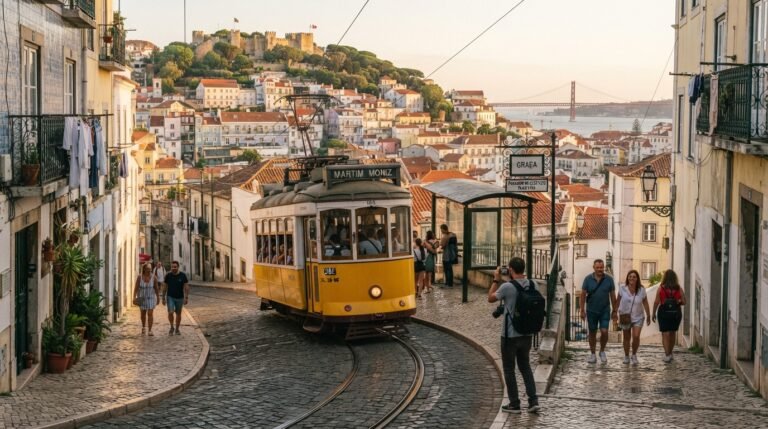
If you want the most famous photo in Lisbon, you need to head to the corner of Largo da Sé. This is where the bright yellow Tram 28 passes directly in front of the cathedral’s ancient towers. It is the perfect symbol of Lisbon’s mix of tradition and daily life.
To get the best shot, try to stand on the sidewalk of Rua Augusto Rosa. You will need a bit of patience, as the trams come and go every few minutes. The contrast between the moving tram and the stationary stone church is truly iconic.
Timing is everything for the perfect lighting on the cathedral’s face. The late afternoon “golden hour” creates a warm, glowing effect on the yellow-toned stone. This is when the building looks its most magical and provides the best backdrop for your photos.
Essential Visitor Information (2026 Update)
Planning your visit is easy if you know the current schedule and fees. From April to October, the cathedral is open Monday to Saturday from 9:30 AM to 7:00 PM. During the winter months (November to March), the hours shift slightly from 10:00 AM to 6:00 PM.
Please note that the cathedral is closed to visitors on Sundays and Holy Days for religious services. This is an important detail to remember when planning your weekend itinerary. Always check the official website if your trip falls on a public holiday.
Remember that this is a working church, so visitors should dress respectfully. It is best to keep your shoulders and knees covered when entering the sacred areas. This simple gesture shows respect for the local culture and the spiritual nature of the site.
Exploring the Neighborhood: What’s Nearby?
After your visit to the Sé, take a short walk uphill to the Miradouro de Santa Luzia. This viewpoint offers a stunning panorama of the white houses and red roofs of the Alfama district. It is decorated with beautiful blue-and-white tiles that tell stories of Lisbon’s past.
If you are hungry, the area around the cathedral is filled with charming local cafes. You can grab a quick “bica” (espresso) and a flaky pastel de nata at a nearby corner bakery. It is the best way to recharge your energy before exploring the winding alleys of Alfama.
For a memorable evening, look for a traditional Fado show near the cathedral. Lisboa em Fado is a highly-rated spot just a few minutes away that offers intimate performances. It is a wonderful way to experience the local culture in the heart of the city.
Conclusion
The Lisbon Cathedral is more than just a photo stop; it is the resilient heart of a city that has seen it all. From its fortress walls to its hidden Roman ruins, every corner tells a story of survival. It remains a must-visit destination for anyone who wants to truly understand Lisbon.
Have you ever visited a church that felt like a castle, or is the Sé de Lisboa on your bucket list for 2026? We would love to hear your favorite Lisbon travel stories in the comments below! Don’t forget to share your best tram photos with our community.
Is Lisbon Cathedral free to enter?
The main nave is free for everyone. However, a €5 ticket is required to see the archaeological cloisters and the treasury museum.
Can I take photos inside the cathedral?
Yes, photography is allowed, but you must turn off your flash. Please be silent and respectful of those who are there to pray.
How do I get there?
The easiest way is taking the famous Tram 28, which stops right at the “Sé” station. You can also walk up from the Baixa district in about 10 minutes.