
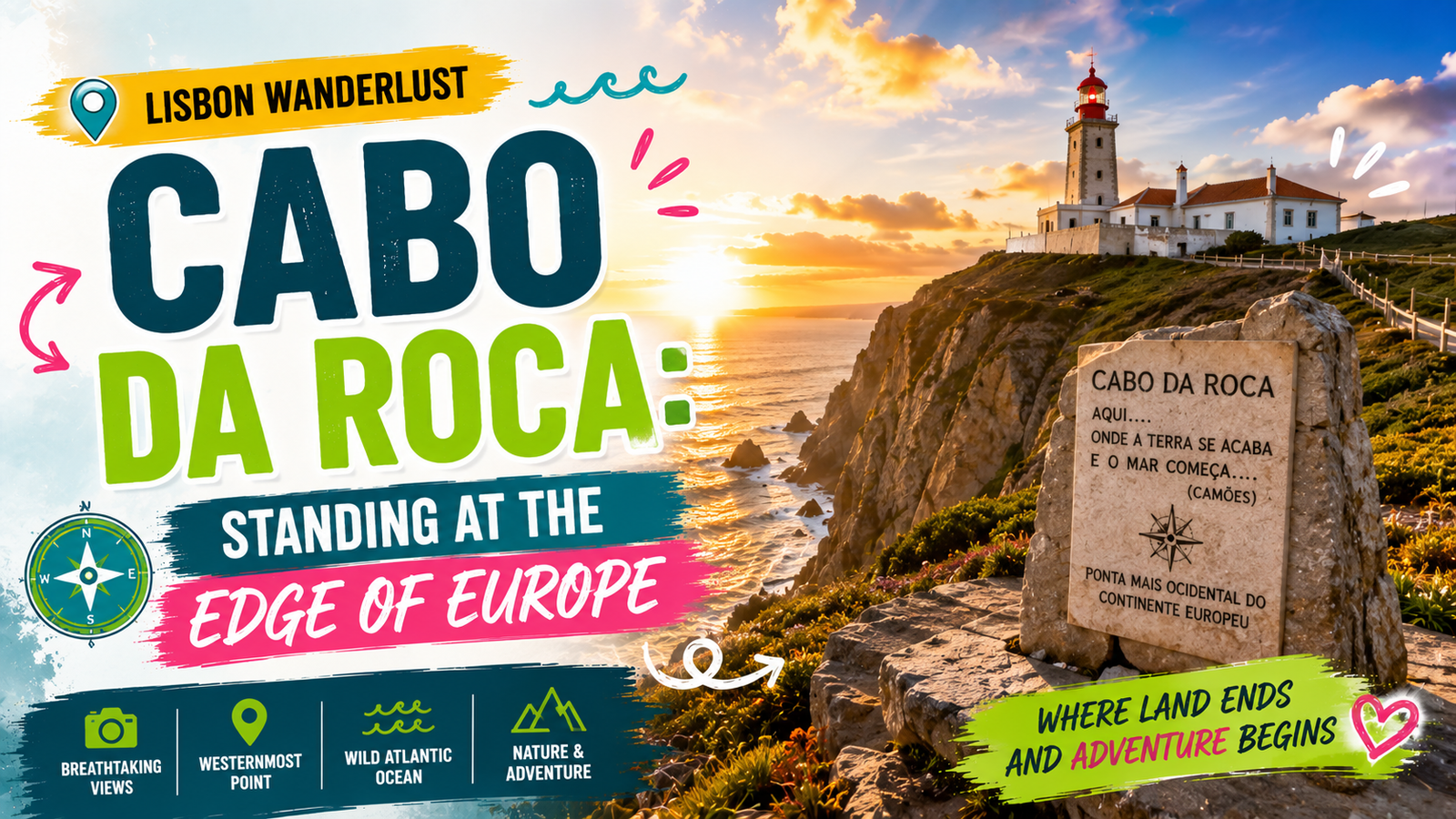
Cabo da Roca: Standing at the Edge of Europe
Cabo da Roca is the westernmost point of mainland Europe. It is a wild and rugged headland located in the Sintra-Cascais Natural Park in Portugal. The cliffs here rise 140 meters above the Atlantic Ocean.
For centuries, sailors believed this cape was the edge of the known world. Today, it is a famous destination for travelers who want to see the literal end of the continent. The site offers incredible views of the rocky coastline and the deep blue sea.
Visitors will find a historic lighthouse, a stone monument, and several hiking trails. The area is known for its strong winds and unique plants that grow close to the ground. This guide provides all the practical details needed to plan a successful trip to this legendary location.
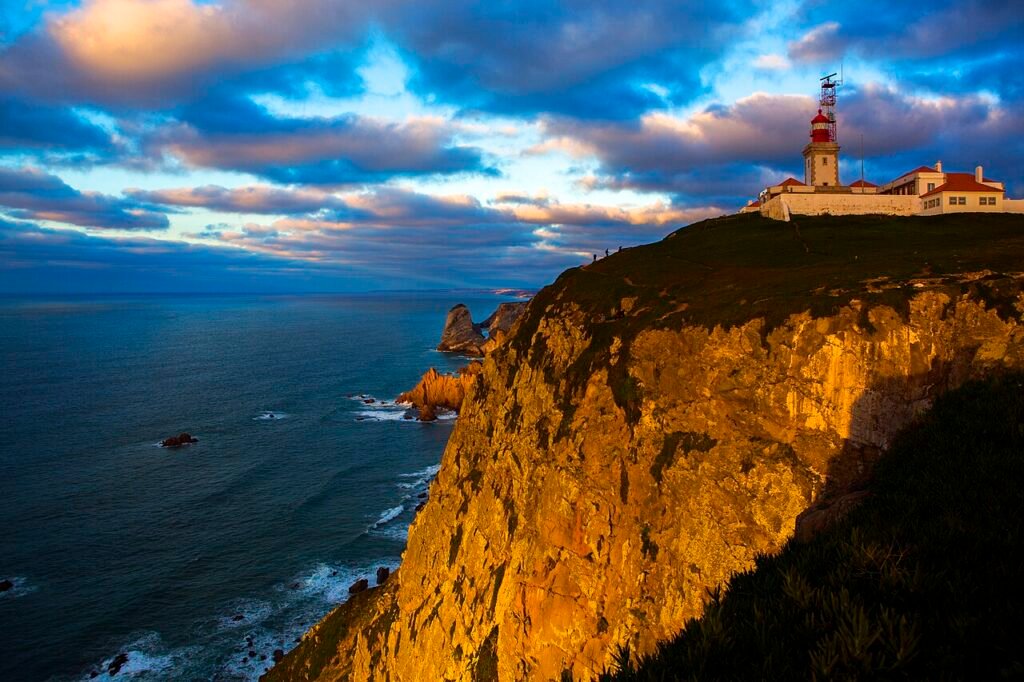
Quick Picks: Cabo da Roca Essentials
- ✔ Top Landmark: The 18th-century Farol do Cabo da Roca (Lighthouse).
- ✔ Best Transport: Bus 1624 or 1253 from Sintra or Cascais (€4.50).
- ✔ Must-Have: A commemorative visit certificate from the Visitor Center (€11).
- ✔ Essential Gear: A windproof jacket and sturdy walking shoes.
- ✔ Prime Time: Sunset offers the most famous views over the Atlantic.
- ✔ Safety Tip: Stay behind fences; winds can reach over 60 km/h.
How to Get to Cabo da Roca: Transport Routes and Prices
Most visitors travel to Cabo da Roca from Lisbon, Sintra, or Cascais. There is no direct train to the cliffs, so travelers must use a combination of train and bus. Public transport is affordable and runs frequently throughout the year.
Taking the Bus from Sintra
To get from Sintra to Cabo da Roca, go to the Sintra Train Station. Look for the Carris Metropolitana bus stop right outside. You can take Bus 1253 or Bus 1624.
Bus 1624 is usually the fastest option. It takes about 35 to 40 minutes to reach the cape. Bus 1253 follows a circular route and takes about 45 minutes.
Taking the Bus from Cascais
If you are coming from Cascais, use Bus 1624 from the Cascais Bus Terminal. This terminal is located near the Cascais Villa shopping center. The journey from Cascais takes approximately 25 minutes.
Current Ticket Costs for 2026
A single bus ticket currently costs €4.50. You can buy this ticket directly from the bus driver using cash. If you have a rechargeable “Navegante” card, the price may be lower depending on your pre-loaded balance.
Driving or Using Rideshare
Driving from Lisbon takes about 45 minutes via the N247 road. There is a free parking lot at the site, but it fills up quickly during the summer. Using an Uber or Bolt from Sintra costs between €10 and €15 depending on demand.
The Cabo da Roca Lighthouse and Monument
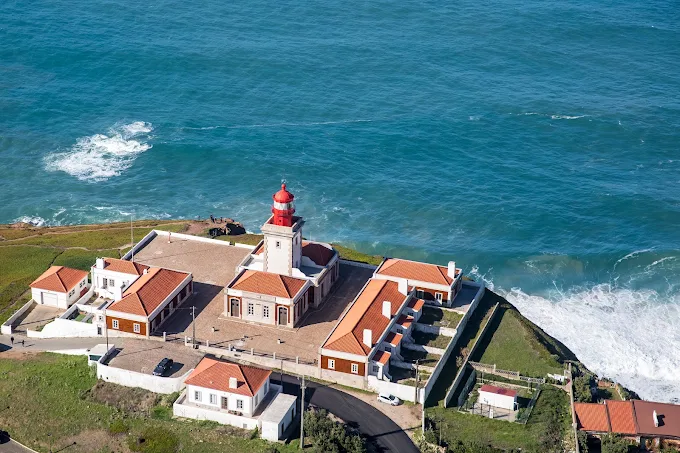
The Farol do Cabo da Roca is one of the most important landmarks on the Portuguese coast. It was the first lighthouse built specifically for navigation in Portugal. Construction was completed in 1772 under the orders of the Marquis of Pombal.
The lighthouse tower stands 22 meters tall. Its light is positioned 165 meters above sea level to ensure it is visible to ships far out in the Atlantic. The beam from this lighthouse can reach up to 48 kilometers (26 nautical miles) across the water.
Visitors cannot usually enter the lighthouse tower as it is still a working naval facility. However, the bright white building with red roofing provides a classic background for photography. It serves as a constant reminder of Portugal’s deep connection to the sea.
Near the lighthouse, there is a large stone monument topped with a cross. This monument marks the exact coordinates of the westernmost point of the continent. The coordinates are 38° 47′ North and 9° 30′ West.
The monument features a famous quote by the Portuguese poet Luís de Camões. The inscription reads: “Onde a terra se acaba e o mar começa.” In English, this means “Where the land ends and the sea begins.”
Travelers often gather around this stone pillar to take photos. It is the official spot that proves a person has reached the edge of Europe. The area around the monument is paved, making it easy to walk even in windy weather.
The Visitor Center and Commemorative Certificates
The Cabo da Roca Visitor Center is located in a small building near the parking area. It is open daily from 9:00 AM to 6:30 PM in the winter and until 7:30 PM in the summer. This office provides maps and information about the Sintra-Cascais Natural Park.
The most popular service at the center is the “Certificate of Visit.” Travelers can purchase a hand-written document that officially states they reached the westernmost point of Europe. The certificate is signed and stamped with a wax seal.
There are two versions of the certificate available for purchase. The standard version costs €11.00, while a more decorative version costs €13.00. It is available in several different languages to accommodate international tourists.
Inside the same building, there is a small souvenir shop and a post office. Visitors can buy postcards and stamps to send mail directly from the edge of the continent. There are also public restrooms available for a small fee of €0.50.
A small café is located nearby for those who need a snack or a warm drink. Because the wind can be very cold, many people use the café to warm up after walking near the cliffs. The prices at the café are slightly higher than in central Sintra because of the remote location.
Coastal Hiking Trails and Cliff Safety
Hiking is a popular activity at Cabo da Roca for those who enjoy nature. Several dirt paths lead away from the main monument and follow the coastline. These trails offer a closer look at the local plants and the dramatic rock formations in the water.
The most famous trail leads north toward Praia da Ursa. This path is rocky and can be quite steep in some sections. It takes about 30 to 40 minutes to reach the viewpoint overlooking the beach. Most hikers continue further to reach the village of Almoçageme or Praia da Adraga.
Safety is the most important thing to remember while hiking here. There are wooden fences near the main viewpoint, but many side trails do not have barriers. The ground consists of loose dirt and gravel which can be very slippery.
The winds at the cape can be sudden and very powerful. It is dangerous to stand near the edge of the cliffs for photos. Always stay on the marked paths and respect the warning signs posted by the park authorities.
Proper footwear is necessary for anyone planning to walk the trails. Sandals or flip-flops are not recommended because of the uneven terrain. Wear sturdy sneakers or hiking boots with good grip to prevent falls.
Understanding the Climate and Best Time to Visit
Cabo da Roca has a unique microclimate that is different from Lisbon or Sintra. It is often much cooler and windier at the cape than it is just a few kilometers inland. Even on a sunny day, the Atlantic breeze can feel very cold.
The best time of day to visit is during the late afternoon. Watching the sunset from the westernmost point of Europe is a very popular experience. The sun disappears directly into the Atlantic Ocean, creating a beautiful display of light.
If you want to avoid crowds, try to arrive before 10:00 AM. Many tour buses arrive in the middle of the day, making the area around the monument very busy. Early morning visits usually offer a much quieter and more peaceful environment.
The weather can change very quickly at the cliffs. Fog can roll in from the ocean and block the view completely within minutes. It is a good idea to check a local weather app for “Sintra” or “Colares” before you start your journey.
In terms of seasons, spring and autumn are the best times for comfortable weather. During these months, the wildflowers are in bloom and the temperatures are mild. Winter can be very rainy and the wind speeds can become quite high.
Nearby Attractions: Praia da Ursa and Almoçageme
Many travelers combine a trip to Cabo da Roca with a visit to Praia da Ursa. This beach is famous for two massive rock stacks that look like a bear and its cub. It is often cited as one of the most beautiful “hidden” beaches in Portugal.
Accessing Praia da Ursa requires a difficult hike down a steep, rocky trail. The descent takes about 20 to 30 minutes from the main road near the cape. There are no facilities or lifeguards at this beach, so visitors must bring their own water and snacks.
A short drive or bus ride away is the traditional village of Almoçageme. This village is known for its local markets and authentic Portuguese restaurants. It is an excellent place to stop for a meal after visiting the cliffs.
For those with more time, the nearby Praia da Adraga is also worth a visit. This beach is easily accessible by car and features a restaurant built right into the cliffs. It provides a great alternative for families who cannot manage the steep hike to Praia da Ursa.
Practical Checklist: Know Before You Go
Planning a visit to the edge of Europe requires some preparation. The remote location means you should have everything you need before arriving. Use the table below to check the current logistics and facilities for 2026.
What to Pack for Your Trip
The most important item to bring is a windproof jacket. Even if it is 25°C in Lisbon, the wind at Cabo da Roca can make it feel like 15°C. A light sweater or hoodie is recommended even during the summer months.
Sunscreen is also necessary because there is no shade at the cliffs. The cool wind often prevents people from feeling the sun burning their skin. Lastly, bring a portable power bank for your phone, as the cold wind can drain battery life quickly.
Staying Connected
Mobile phone signal is generally good at the main monument and lighthouse. However, the signal often disappears once you start hiking down toward the beaches. Download offline maps of the Sintra-Cascais area before you arrive at the cape.
Final Summary for Travelers
Cabo da Roca is more than just a photo opportunity. It is a place of historical importance and natural power. Standing on these cliffs allows you to see the Atlantic Ocean in its most raw and wild form.
Whether you are there for the history, the hiking, or the sunset, the experience is memorable. By following the transport and safety tips in this guide, your visit will be smooth and enjoyable. This site remains a must-see destination for anyone exploring the Lisbon region.
Frequently Asked Questions (FAQ) About Cabo da Roca
People planning a trip to the westernmost point of Europe often have specific questions. This section answers common queries based on the latest travel data for 2026. These details help ensure a smooth trip without any surprises.
Is Cabo da Roca worth visiting? Yes, Cabo da Roca is worth visiting for its geographical significance and dramatic scenery. It is one of the few places where you can stand on the very edge of a continent. The views of the Atlantic Ocean and the historic lighthouse make it a unique stop in Portugal.
How much time should I spend at Cabo da Roca? Most people spend between 30 and 60 minutes at the site. This is enough time to see the monument, take photos, and visit the lighthouse exterior. If you plan to hike to Praia da Ursa, you should set aside at least 3 to 4 hours.
Can I see the sunset at Cabo da Roca and still catch a bus back? Yes, but you must check the seasonal bus schedule carefully. In the summer, the last buses to Sintra and Cascais usually depart after the sunset. In the winter, the sun sets earlier, which makes it easier to catch the return transport.
Is there an entrance fee for Cabo da Roca? There is no entrance fee to visit the cliffs, the monument, or the grounds. It is a public natural area that is free for everyone to enjoy. You only need to pay for transport, the visitor center certificate, or food and drinks.
Is Cabo da Roca wheelchair accessible? The area around the main parking lot and the stone monument is flat and paved. This makes the primary viewpoint accessible for wheelchairs and strollers. However, the dirt hiking trails and the path to the beach are not accessible.
Understanding the Flora and Fauna of the Cliffs
The environment at Cabo da Roca is very harsh for plants and animals. The constant salt spray from the ocean and the strong winds prevent tall trees from growing. Instead, the ground is covered with low-lying plants that have adapted to these conditions.
The most common plant you will see is the Ice Plant (Carpobrotus edulis). While it has beautiful yellow or purple flowers, it is actually an invasive species. It was originally brought from South Africa but now covers much of the cliffs, pushing out local Portuguese plants.
You may also spot several species of birds that live in the rock faces. Peregrine falcons and various types of gulls are often seen flying near the cliffs. The Sintra-Cascais Natural Park works hard to protect these species and their nesting grounds.
Because the soil is thin and the wind is strong, please do not pick any flowers or plants. Staying on the marked paths helps protect the delicate balance of this ecosystem. This ensures that the natural beauty of the cape remains for future visitors.
Logistics for Organized Tours and Groups
Many travelers choose to visit Cabo da Roca as part of a guided day trip from Lisbon. These tours often include stops in Sintra, the Pena Palace, and Cascais. This is a good option if you have limited time and do not want to manage public transport.
Most tour buses stay at the cape for about 30 minutes. This is enough for a quick photo but does not allow time for hiking. If you prefer a slow pace, using the local bus or a rental car is a better choice.
Large groups should be aware that the visitor center is small. If 50 people enter at once, it can become very crowded. If you are traveling with a large group, it is best to visit the monument first and the shop later.
Private taxi drivers often offer “wait and return” services from Sintra. They will drive you to the cape, wait for 45 minutes, and then drive you back or to Cascais. Always agree on the total price before starting the journey to avoid confusion.
The Scenic Coastal Drive: Cabo da Roca to Cascais
The road between Cabo da Roca and Cascais, known as the N247, is considered one of the most beautiful drives in Portugal. It winds along the coastline, offering constant views of the Atlantic Ocean on one side and the Sintra mountains on the other.
Driving this route takes approximately 20 to 30 minutes without stops. Travelers will pass through the surfing hub of Guincho Beach, which is famous for its massive sand dunes and strong waves. This road is also popular with cyclists, so drivers should remain alert and share the lane carefully.
There are several scenic pull-off points where you can park safely to take photographs. One notable stop is the Abano Beach turn-off, which leads to a more secluded area of the coast. The road is well-maintained but can be narrow in certain sections, especially when passing large tour buses.
For those without a car, Bus 1624 follows a similar coastal path. Sitting on the right side of the bus when traveling toward Cascais provides the best views of the water. This route is a great way to see the transition from the wild cliffs of the cape to the manicured beaches of the Cascais “Portuguese Riviera.”
Dining Near the Edge of Europe: Where to Eat
There are limited food options directly at the Cabo da Roca viewpoint. Aside from the small café next to the visitor center, travelers should look to the nearby villages for a full meal. These locations offer better value and a more authentic taste of regional Portuguese cuisine.
Restaurants in Ulgueira
Ulgueira is the closest village to the cape, located just 2 kilometers away. Here, you can find small, family-run spots that serve traditional soups and grilled fish. Because it is a quiet residential area, the atmosphere is much calmer than the tourist center at the monument.
Seafood in Almoçageme
Almoçageme is widely known for its high-quality seafood restaurants. One of the most famous is Restaurante Da Adraga, which is situated right on the sand at Adraga Beach. It is famous for fresh catch-of-the-day and “Percebes” (goose barnacles), which are harvested directly from the local rocks.
Quick Bites in Colares
The town of Colares is a 10-minute drive away and offers more variety, including bakeries and small supermarkets. It is a good place to buy supplies if you are planning a picnic at the cliffs. Don’t forget to try the local Colares Wine, which is unique because the grapes are grown in sandy soil near the sea.
Average Meal Prices
- Coffee and Pastry: €2.50 – €4.00
- Light Lunch (Sandwich/Salad): €8.00 – €12.00
- Full Dinner with Wine: €20.00 – €35.00 per person
Photography Tips for the Westernmost Point
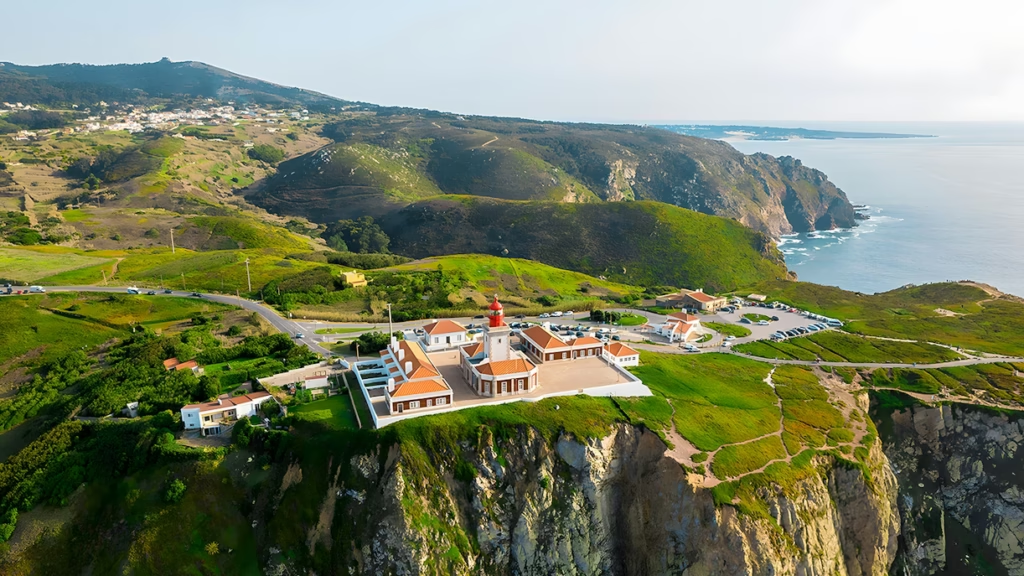
Capturing the scale of the 140-meter cliffs can be difficult with a standard phone camera. To get the best results, walk slightly along the southern path toward Cascais. This perspective allows you to frame both the lighthouse and the rugged coastline in a single shot.
The “Golden Hour,” which occurs roughly one hour before sunset, provides the best lighting. During this time, the white walls of the lighthouse glow with a warm orange hue. The shadows on the cliffs become deeper, which helps to show the texture of the rock formations.
Because of the high winds, using a tripod can be risky as it may blow over. If you are taking a long-exposure shot of the waves, ensure your equipment is weighted down or held firmly. Always check your lens for salt spray, as the mist from the ocean can create blurriness on your photos.
Drone users must be very careful at Cabo da Roca. The area is a protected natural park, and there are often strict regulations about flying drones near the lighthouse and nesting birds. Additionally, the wind speeds at the cliff edge are often high enough to crash small consumer drones.
Seasonal Travel Calendar: When to Visit Cabo da Roca
The experience at the edge of Europe changes significantly with the seasons. Understanding these shifts helps travelers pack correctly and set realistic expectations for their visit.
Spring (March to May)
Spring is often considered the best time to visit. The weather is mild, usually between 15°C and 20°C. The most important feature of spring is the blooming of wildflowers and the greening of the hillsides. This is the best time for hiking the trails toward Praia da Ursa before the summer heat arrives.
Summer (June to August)
Summer brings the most sunshine but also the largest crowds. While the rest of Portugal may be very hot, Cabo da Roca remains cool due to the Atlantic breeze. Expect temperatures around 22°C to 25°C. This is the peak season for the visitor center and the commemorative certificates, so expect short lines.
Autumn (September to November)
Autumn is a fantastic time for photographers. The air is often clearer after the summer haze disappears, leading to sharper views of the horizon. The ocean becomes more active during this time, creating larger waves that crash against the 140-meter cliffs. Temperatures remain pleasant, averaging 18°C.
Winter (December to February)
Winter is the quietest time at the cape. It is also the most unpredictable. Rain is frequent, and wind speeds can exceed 60 km/h. However, seeing a winter storm from the safety of the paved areas is a powerful sight. Make sure to wear a heavy, waterproof coat if visiting during these months.
Local Expertise: Pro-Tips for a Better Visit
To have the best possible experience, follow these “know-before-you-go” tips used by professional travel guides. These small details can save time and money during a trip to the Sintra region.
- Validate Your Bus Ticket: If you are using a rechargeable Navegante card, make sure to tap it on the yellow machine inside the bus. If you are buying a ticket from the driver, try to have small bills or exact change ready.
- Check the “Fog Cam”: Before leaving Sintra, look at local webcams if available or check social media tags for “Cabo da Roca.” If the cape is covered in heavy fog, you will not be able to see the ocean or the lighthouse.
- The “Two-Sided” Rule: When the wind is blowing from the North, the southern side of the monument is usually more sheltered. Use the stone walls of the visitor center or the monument base as a windbreak if you need to check your map or phone.
- Avoid the “Sintra Trap”: Do not try to see Pena Palace, Quinta da Regaleira, and Cabo da Roca all in four hours. The travel time between these spots is longer than it looks on a map. Give Cabo da Roca its own dedicated slot in your schedule.
- Carry a Physical Map: While mobile signals are generally good, battery life drops fast in cold wind. Having a small paper map of the Sintra-Cascais Natural Park is a smart backup for hikers.
Conclusion: The Last Frontier of Europe
Cabo da Roca remains a symbol of discovery and the raw beauty of the natural world. It is a place where the geography of the earth meets the history of human exploration. From the 18th-century lighthouse to the modern trails, it offers something for every type of traveler.
By visiting this headland, you are following in the footsteps of ancient explorers who looked out at the same horizon. The site is a reminder of how small we are compared to the vastness of the Atlantic Ocean. Whether you stay for ten minutes or five hours, the feeling of standing at the edge of the continent is something that stays with you.
Lisbon Wanderlust is dedicated to providing the most accurate and helpful information for your journey. Use this guide to navigate the transport, understand the history, and stay safe on the cliffs. Enjoy your trip to the point where the land ends and the sea begins.