19 Best Things to Do in Lisbon: The Complete First-Time Travel Guide
Lisbon is one of Europe’s most beautiful and relaxed capitals. It sits on seven hills beside the Tagus River. The city mixes history, ocean views, tiled streets, old trams, fresh seafood, and golden sunsets. It feels authentic but still modern.
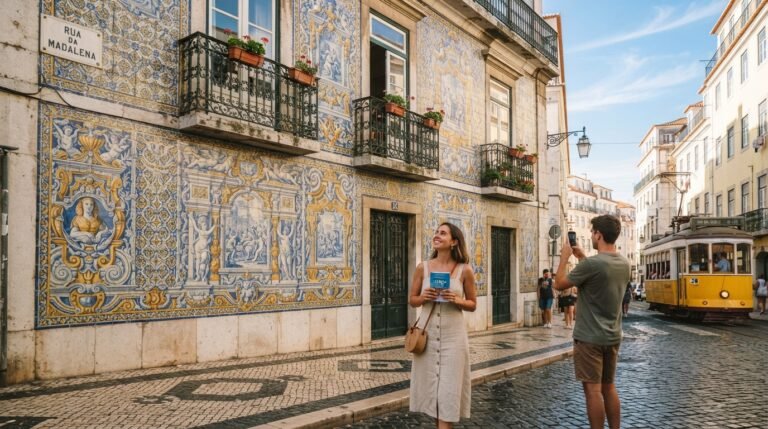
You can walk through narrow cobblestone lanes in the morning and enjoy a stylish rooftop bar by sunset. Every corner tells a story, from medieval castles to colorful facades covered in traditional azulejo tiles.
The atmosphere here is calm and welcoming. Life moves at a slower pace compared to other European capitals. Locals enjoy long coffees, fresh pastries, and evenings by the river.
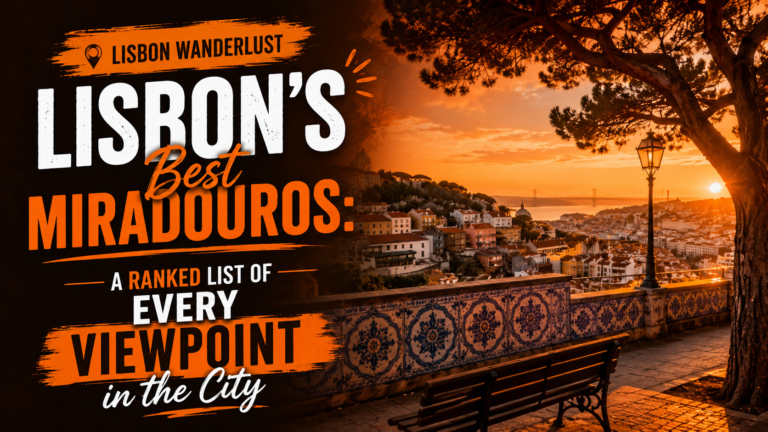
The viewpoints, called miradouros, offer stunning panoramas across red rooftops and sparkling water. Whether you love history, food, photography, or simply relaxing walks, Lisbon makes it easy to enjoy your trip without rushing.
If you are planning a perfect weekend in Lisbon or a longer stay, this guide covers everything you need to know — history, neighborhoods, things to do, what’s worth it, what to avoid, how much to budget, and how to move around confidently. By the end, you will feel prepared, organized, and ready to explore the city like a smart first-time traveler.
Understanding Lisbon — History, Layout & Neighborhoods
Before listing the best things to do in Lisbon, it helps to understand how the city works. Lisbon is not flat. It is built on seven hills. Streets go up and down constantly. Some areas are easy to walk. Others require trams, funiculars, or a bit of stamina.
Each neighborhood has its own personality. Some feel old and romantic. Others are elegant and grand. A few are modern and trendy. When you understand this layout, you can plan smarter. You avoid unnecessary climbs. You group attractions by area. And you enjoy the city instead of feeling tired.
Lisbon is compact, but the hills make distances feel longer. The good news? Almost every uphill walk rewards you with a beautiful viewpoint.
A Brief History of Lisbon
Lisbon is one of the oldest cities in Europe. It is even older than Rome. Over the centuries, many civilizations shaped it. The Romans built roads and infrastructure. The Moors added narrow streets and whitewashed houses. Their influence is still visible today, especially in Alfama.
In the 15th and 16th centuries, Lisbon became the center of Portugal’s Age of Discoveries. Explorers sailed from the city’s port toward Africa, Asia, and Brazil. This period made Portugal wealthy and powerful. Many of Lisbon’s grand monuments were built during this golden era, especially in Belém.
Then came a major turning point. In 1755, a massive earthquake followed by a tsunami and fires destroyed much of the city. It was one of the most devastating disasters in European history. Instead of rebuilding the same way, Lisbon was redesigned with wide streets and organized squares. The Baixa district you see today was planned after this earthquake. That is why it feels more structured and open compared to older areas.
Today, Lisbon feels like layers of history stacked on hills.
- Medieval streets and hidden alleys in Alfama
- Monumental architecture and maritime history in Belém
- Grid-style urban planning in Baixa
- Elegant avenues in Chiado and Avenida da Liberdade
As you explore, you move through different time periods without even realizing it. One moment you are walking through a Moorish alley. The next, you are standing in a grand 18th-century square facing the river.
That is the magic of Lisbon. It is not just a city. It is a story that unfolds as you walk.
Lisbon’s Main Neighborhoods
If you understand these areas, planning your days becomes simple. Lisbon is best explored by neighborhood. Each one feels like a different city. Group your activities by area, and you will save time and energy.
Alfama – The Old Soul of Lisbon
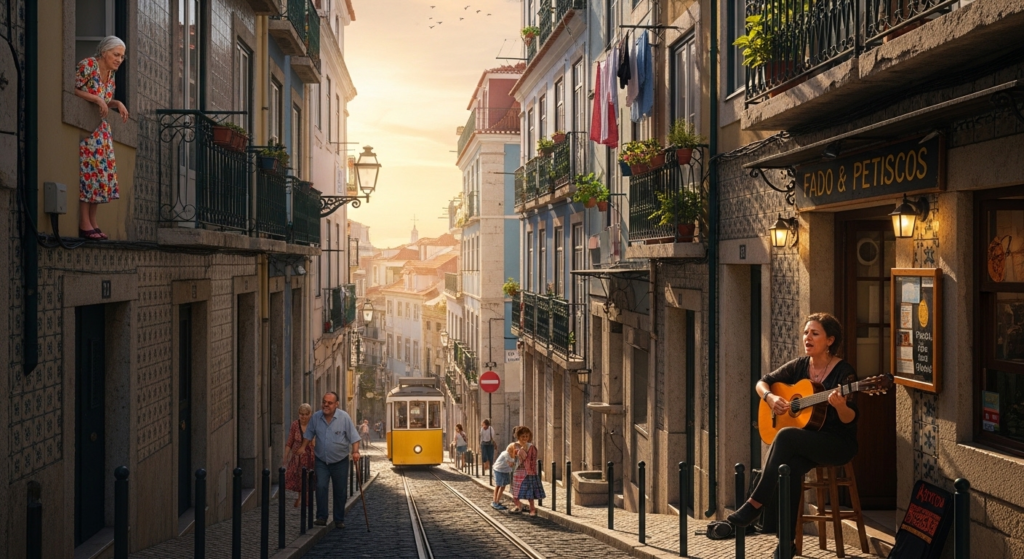
Alfama is the oldest district in Lisbon. It survived the 1755 earthquake, which is why it still feels medieval. The streets are narrow, steep, and full of character. Laundry hangs from balconies. Small cafés spill onto stone steps. The atmosphere feels local and authentic.
This is where Fado music was born. In the evening, you can hear emotional Portuguese songs drifting through tiny taverns. It feels intimate and nostalgic.
Things to Do in Alfama
- Visit São Jorge Castle for panoramic views over the city and river. Go early to avoid crowds.
- Watch the sunset from Miradouro de Santa Luzia or Miradouro das Portas do Sol. The golden light here is unforgettable.
- Walk without a map. Getting slightly lost is part of the experience.
- Eat in small traditional taverns. Try grilled sardines or codfish dishes.
What’s Worth It
Exploring slowly. Alfama is not about rushing. Sit at a viewpoint. Listen to music. Let the streets guide you.
What to Avoid
Driving. The roads are tight and confusing. Parking is very limited. Walking is the best way to experience Alfama. Wear comfortable shoes because the hills are real.
Belém – Portugal’s Golden Age
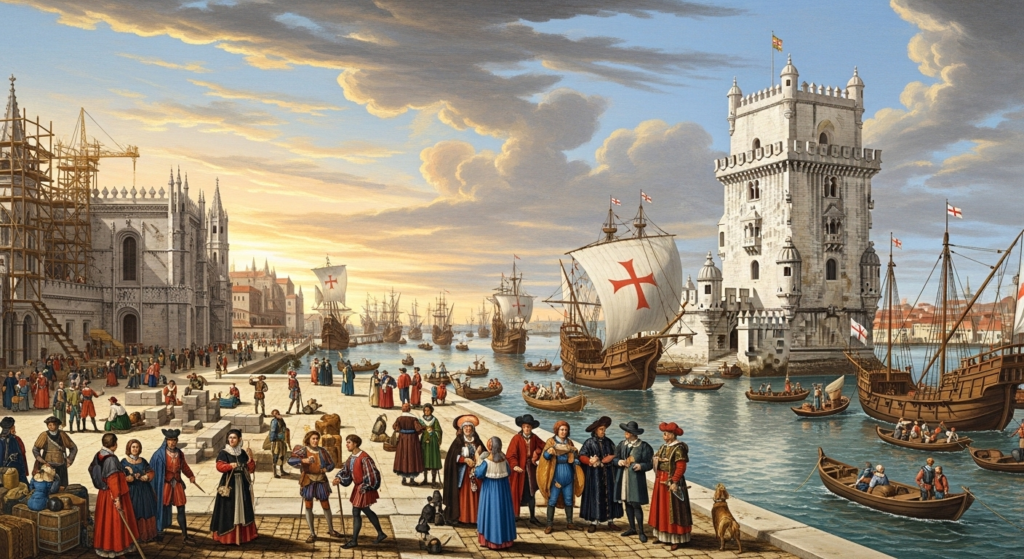
Belém represents Portugal’s maritime power and exploration era. This is where ships once departed toward Africa, India, and Brazil. The area feels open, elegant, and historic. Wide promenades stretch along the Tagus River. Monuments here are grand and symbolic.
Belém is about 20–30 minutes from central Lisbon by tram, bus, or train. It is slightly outside the main historic center, so plan it as a separate half-day trip.
Things to See in Belém
- Jerónimos Monastery – A masterpiece of Manueline architecture. The cloisters are beautiful and peaceful.
- Belém Tower – A small fortress standing on the river. It once guarded the city’s entrance.
- Monument to the Discoveries – A large monument honoring Portuguese explorers. You can go up for river views.
Everything here connects to Portugal’s Age of Discoveries. The area feels proud and historic.
Things to Eat in Belém
You cannot visit without trying the famous custard tarts. Go to Pastéis de Belém, the original bakery that has been making them since 1837. They are served warm with cinnamon and powdered sugar. Simple but unforgettable.
What’s Worth It
A half-day visit in the morning. Start early, explore the monastery first, then walk toward the river and finish with pastries.
What to Avoid
Arriving after 11 AM in summer. Lines become long, especially for the monastery and bakery. Go early for a smoother experience.
Baixa-Chiado – Central & Convenient
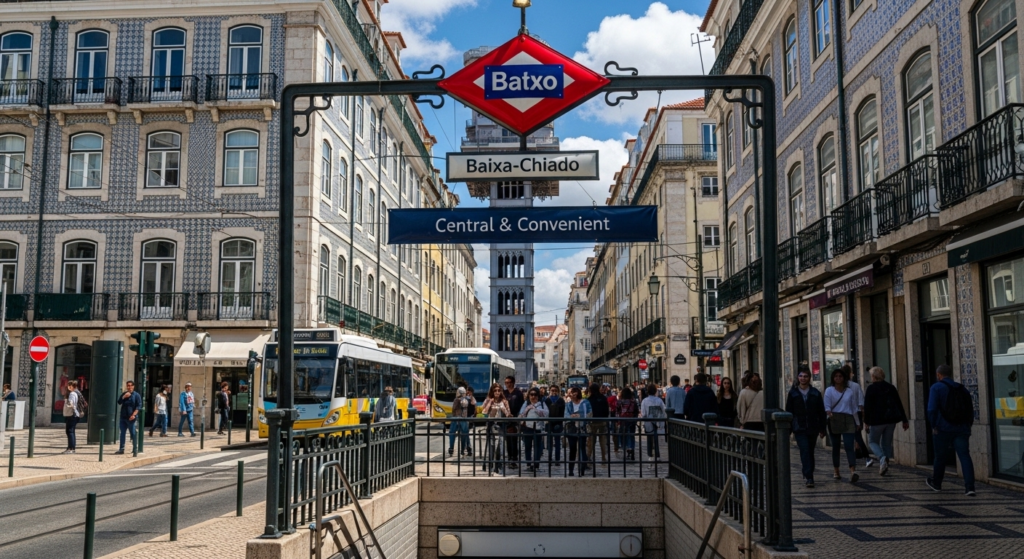
Baixa-Chiado is the heart of Lisbon. This is the most organized and walkable part of the city. Unlike Alfama, the streets here follow a grid pattern. It feels open, structured, and easy to navigate.
Baixa was rebuilt after the 1755 earthquake. That is why the roads are wide and the buildings look uniform. Everything connects smoothly. You can move around without constantly climbing hills.
Things to Do
- Walk through Rossio Square, one of the city’s main meeting points. Notice the wave-pattern pavement.
- Visit Praça do Comércio, the grand riverside square. It is perfect for photos and sunset walks.
- Ride the Santa Justa Lift for elevated views of the city rooftops.
- Explore shopping streets like Rua Augusta for souvenirs and local brands.
Chiado, connected to Baixa, feels more refined. It has historic cafés, theaters, and bookstores. It is a great place to sit down for coffee and watch city life move around you.
Perfect For
- First-time visitors who want everything nearby
- Staying in a hotel with easy access to transport
- Travelers who prefer flat streets and convenience
If you want a central base with metro stations, trams, restaurants, and major landmarks within walking distance, Baixa-Chiado is the safest choice.
Avenida da Liberdade – Luxury Lisbon
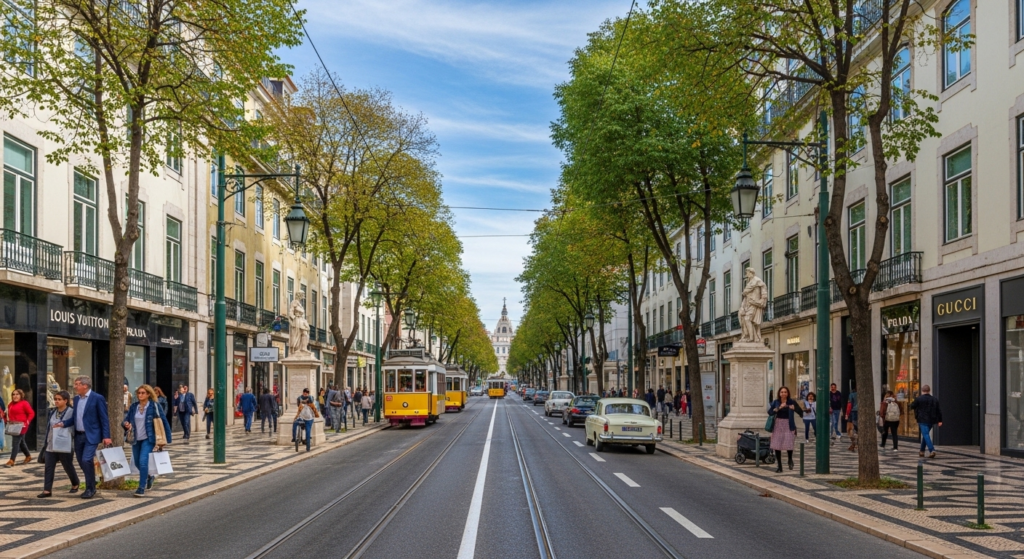
Avenida da Liberdade is Lisbon’s most elegant boulevard. It feels wide, calm, and polished. Many travelers compare it to the grand avenues of Paris. The street is lined with trees, designer stores, and stylish buildings.
This area connects the historic center to the modern business district. It is central but quieter than Baixa. You get space, comfort, and easy access to metro stations.
Luxury brands dominate the avenue. High-end hotels and fine dining restaurants are common here. One of the most iconic stays is Four Seasons Hotel Ritz Lisbon, known for its classic elegance and rooftop views.
Best For
- Upscale stays with premium comfort
- Travelers who want a calm but central location
- Business trips or relaxed city breaks
Not Ideal If
- You are looking for nightlife energy
- You want narrow historic streets and old-town charm
Avenida da Liberdade is about refinement and comfort. It is Lisbon’s polished side, not its traditional soul.
Príncipe Real – Trendy & Stylish
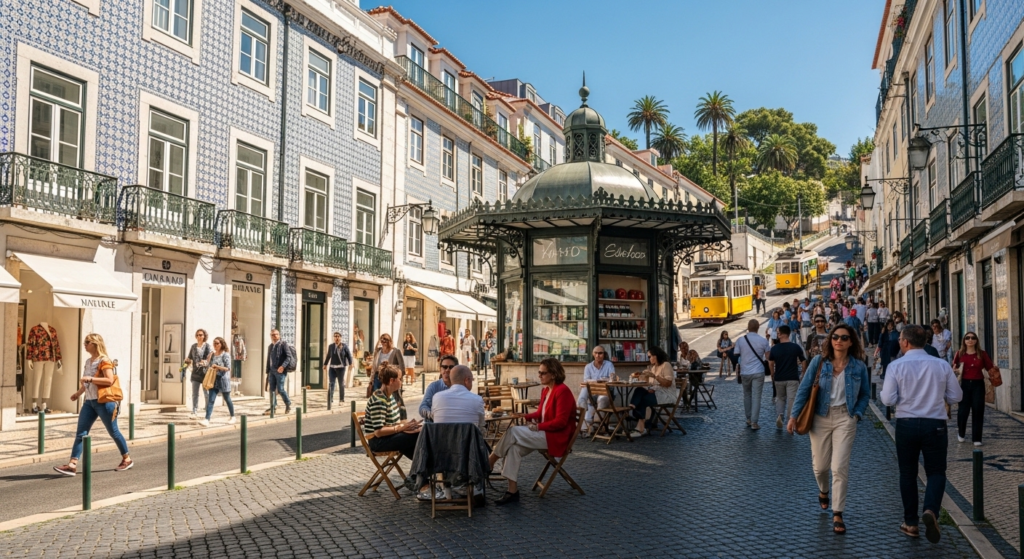
Príncipe Real feels modern, creative, and relaxed. It is one of Lisbon’s most stylish neighborhoods. The streets are quieter than Baixa but more polished than Alfama. You will find colorful buildings, leafy squares, and a strong local vibe.
This area is known for boutique shops and concept stores. Many brands here are independent and Portuguese. It is perfect if you enjoy slow shopping and discovering unique pieces.
Things to Do
- Relax at Jardim do Príncipe Real. The garden offers shade, benches, and peaceful views.
- Visit rooftop bars nearby for sunset drinks with city views.
- Explore small fashion boutiques and design shops.
- Stop at relaxed cafés for brunch or specialty coffee.
Príncipe Real is not about rushing between landmarks. It is about atmosphere. Walk slowly. Sit longer. Enjoy the details.
Best For
- Couples
- Slow travelers
- Visitors who prefer style and calm over crowds
If you want a creative and elegant side of Lisbon, this is your neighborhood.
Alcântara – Industrial Turned Creative
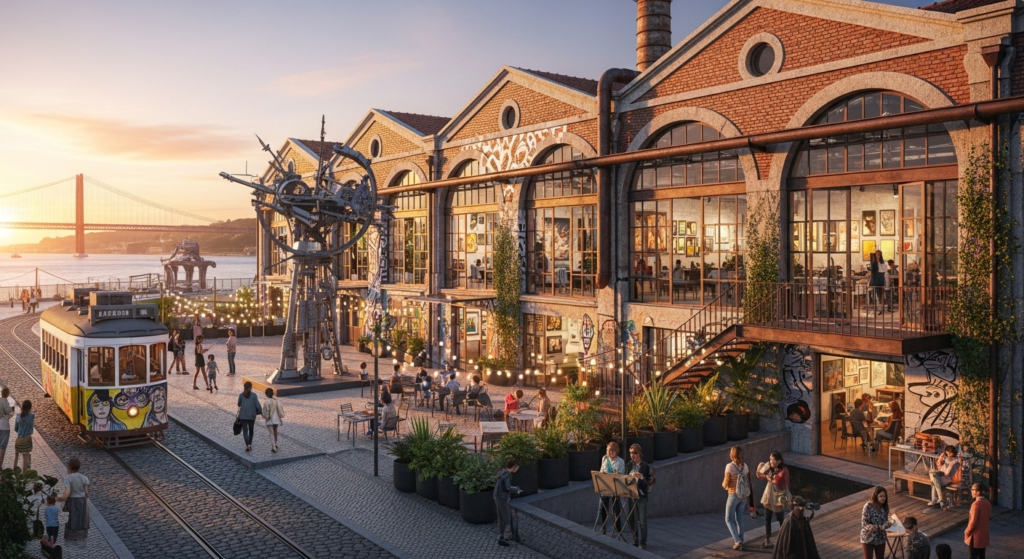
Alcântara used to be an industrial zone filled with warehouses and factories. Today, it has transformed into one of Lisbon’s most creative districts. The area feels raw, artistic, and modern.
The main highlight here is LX Factory, a former industrial complex turned into a cultural hub. Brick buildings now house design studios, bookstores, cafés, and art spaces. The atmosphere is relaxed and slightly alternative.
Things to Do
- Explore LX Factory slowly. Walk through courtyards and browse independent shops.
- Visit creative spaces like Ler Devagar, one of the most photogenic bookstores in Lisbon.
- Enjoy rooftop dining with views of the 25 de Abril Bridge.
- Check for small exhibitions or weekend markets.
This area is not about monuments. It is about creativity and modern Lisbon.
When to Visit
Late afternoon is ideal. Arrive around sunset. Stay for dinner or drinks. The atmosphere becomes lively but never overwhelming.
19 Best Things to Do in Lisbon (Detailed Guide)
Now let’s go deep into the best things to do, see, and eat in Lisbon. This list is practical and realistic. You can follow it step by step during your trip.
1. Explore Alfama on Foot
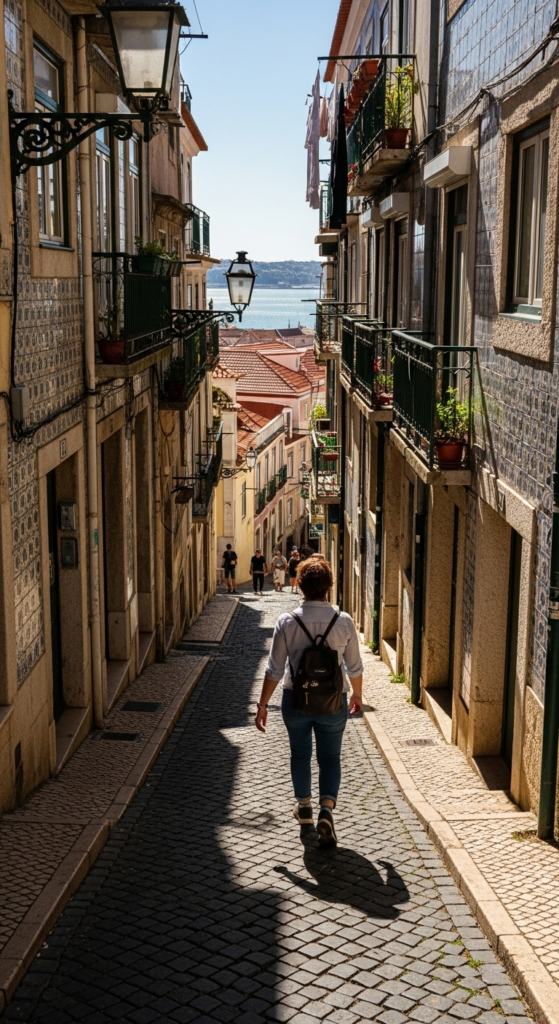
Alfama is not about checking off attractions. It is about atmosphere. This is the oldest part of Lisbon, and you feel it immediately. Narrow cobblestone streets twist uphill. Small balconies overflow with flowers. Locals chat from their windows.
Start early in the morning. The streets are quiet. The light is soft. You will avoid crowds and heat. Walk slowly and let the neighborhood guide you.
Stop at viewpoints like Miradouro das Portas do Sol. From here, you see red rooftops and the Tagus River. The views feel peaceful and cinematic.
As you wander, you may hear church bells echo through the alleys. That sound adds to the magic. There is no strict route. Just explore.
Why It’s Worth It
You experience the true soul of Lisbon. No ticket needed. No schedule. Just walking and observing.
Budget: Free
Time Needed: 2–3 hours
Tip: Wear comfortable shoes. The hills are steep and the stones can be slippery.
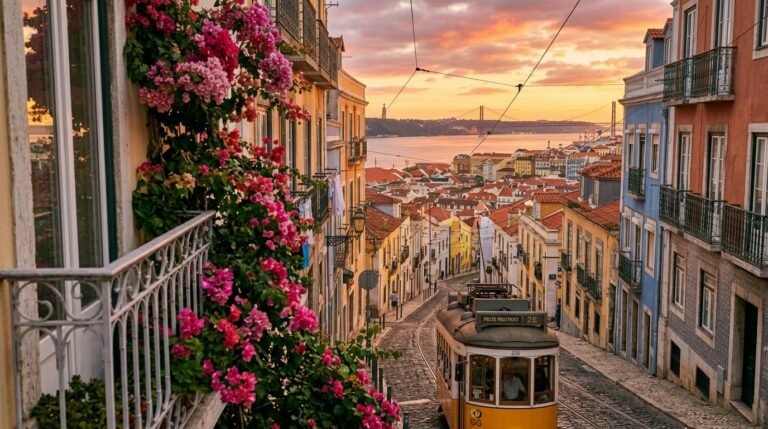
2. Ride Tram 28 (If You Go Early)

Tram 28 is one of Lisbon’s most famous experiences. The small yellow tram moves through narrow streets, sharp turns, and steep hills. It passes some of the city’s most beautiful neighborhoods, including Alfama and Baixa.
It looks charming and nostalgic. The wooden interior and vintage design feel authentic. But there is one problem — it gets very crowded.
What’s Worth It
- Riding at 8 AM or earlier
- Sitting by the window for photos
- Experiencing the historic tram design
Early morning rides feel calm and enjoyable. You can actually appreciate the journey.
What to Avoid
- Midday queues, especially in summer
- Standing in packed conditions
- Boarding at the first stop in busy hours
Lines can be long. Pickpocketing is also more common when trams are crowded.
Smart Alternative
Walk the tram route instead. You will see the same streets and viewpoints. You can stop for photos anytime. It feels more relaxed and often more rewarding.
3. Visit São Jorge Castle
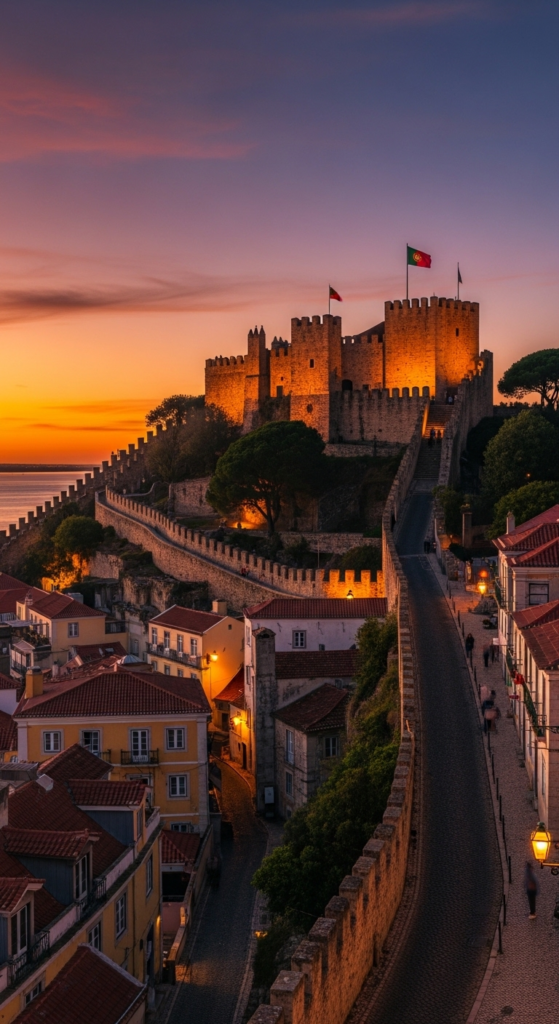
São Jorge Castle sits high above Alfama. You can see it from many parts of the city. It is one of Lisbon’s most important historic landmarks.
The castle dates back to Moorish times. Today, visitors come mainly for the views. And honestly, the views are the highlight. From the top, you see red rooftops, church domes, the river, and even the bridge in the distance.
Walk along the old stone walls. Climb the towers. Take your time. The open space also makes it less crowded than narrow streets below.
Is It Worth It?
Yes — especially for first-time visitors. The panoramic views are some of the best in Lisbon.
Budget
Around €15 per adult.
Time Needed
1 to 1.5 hours is enough. Go early morning or late afternoon for softer light and fewer crowds.
4. Spend Half a Day in Belém
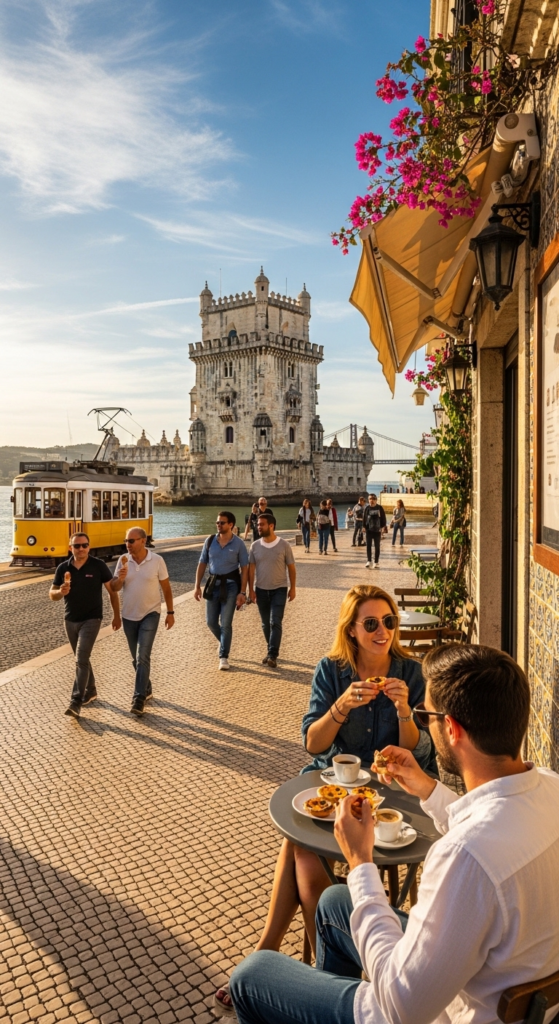
Belém deserves its own half day. This is where Portugal’s Age of Discoveries comes alive. The monuments are large, elegant, and full of history. The river views are open and refreshing.
Start with Jerónimos Monastery. The cloisters are the main highlight. The architecture is detailed and impressive. Arrive early to avoid long lines.
Then walk toward Belém Tower. The tower stands right on the river. It once protected the city from invaders. Take photos from outside even if you skip going inside.
Stop at the Monument to the Discoveries. It honors Portuguese explorers. You can go up for a higher river view if you like.
Before leaving, visit Pastéis de Belém. Try the famous custard tart. It is served warm and tastes best fresh.
Time Needed
Plan 4–5 hours. Move slowly and enjoy the river walk.
Budget Example
- Monastery ticket: €10–15
- Tower: €8–10
- Food and pastry: €10–20
How to Get There
Take the train from Cais do Sodré Station or use tram 15. The journey takes around 20–30 minutes.
5. Try Pastéis de Nata

You will see pastéis de nata everywhere in Lisbon. Every bakery sells them. Every café displays them near the counter. These small custard tarts are Portugal’s most famous sweet.
The crust is flaky and slightly crispy. The inside is creamy and soft. The top is lightly caramelized. They taste best when served warm.
Sprinkle cinnamon on top. Add a little powdered sugar if you like. Pair it with espresso. Simple and perfect.
For the original recipe, visit Pastéis de Belém in Belém. But honestly, many local bakeries in the city center also make excellent ones. Try them in different neighborhoods and compare.
Budget
€1.50–2 per tart. Affordable and worth repeating.
You will probably eat more than one.
6. Watch Sunset at a Miradouro

Lisbon sunsets are special. The city’s hills make viewpoints, called miradouros, one of the best experiences you can have here. As the sun goes down, the rooftops turn golden and the Tagus River reflects warm colors.
Two of the best spots are:
- Miradouro da Senhora do Monte – Higher and less crowded. The views are wide and dramatic.
- Miradouro de Santa Catarina – More social and lively. A great place to sit and relax.
Arrive 30–45 minutes before sunset. Find a spot on the steps or wall. Just sit and watch the light change. No ticket. No schedule. Just atmosphere.
Budget
Free.
Is It Worth It?
Unmissable. This is one of the simplest and most memorable things to do in Lisbon.
7. Walk Baixa & Rossio
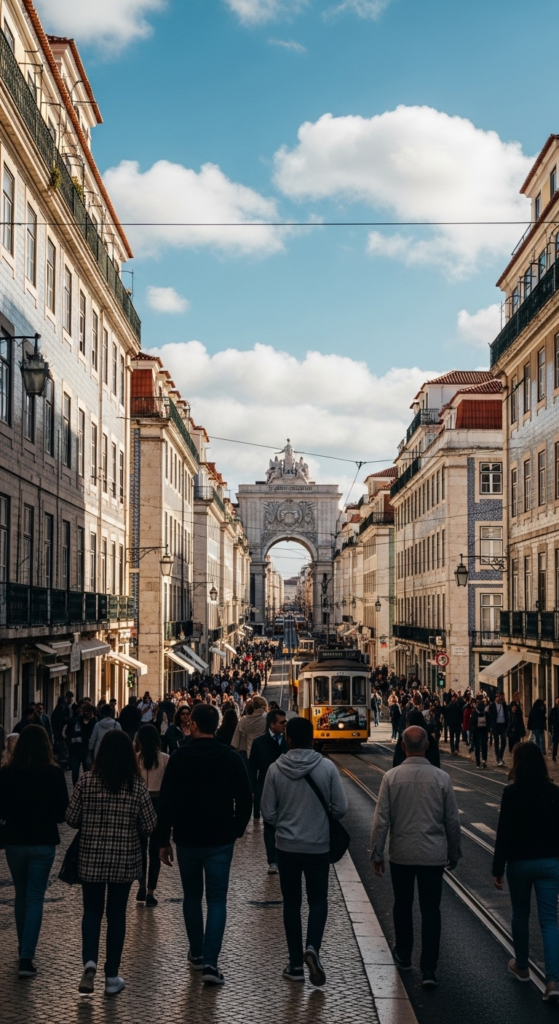
Baixa is the easiest part of Lisbon to explore on foot. The streets are flat and organized. After the hills of Alfama, this area feels relaxed and simple to navigate.
Start at Rossio Square. Notice the black-and-white wave pattern on the ground. Sit for a few minutes and observe daily life. Locals and tourists mix here.
Walk down Rua Augusta, the main pedestrian street. It leads you directly to Praça do Comércio, the grand riverside square. The yellow buildings and open river view make it one of the most impressive spaces in the city.
This walk is ideal for your first afternoon in Lisbon. You get a clear sense of the city layout without climbing steep streets.
Budget
Free.
Take your time. Stop for coffee. Enjoy the open spaces and river breeze.
8. Visit Time Out Market
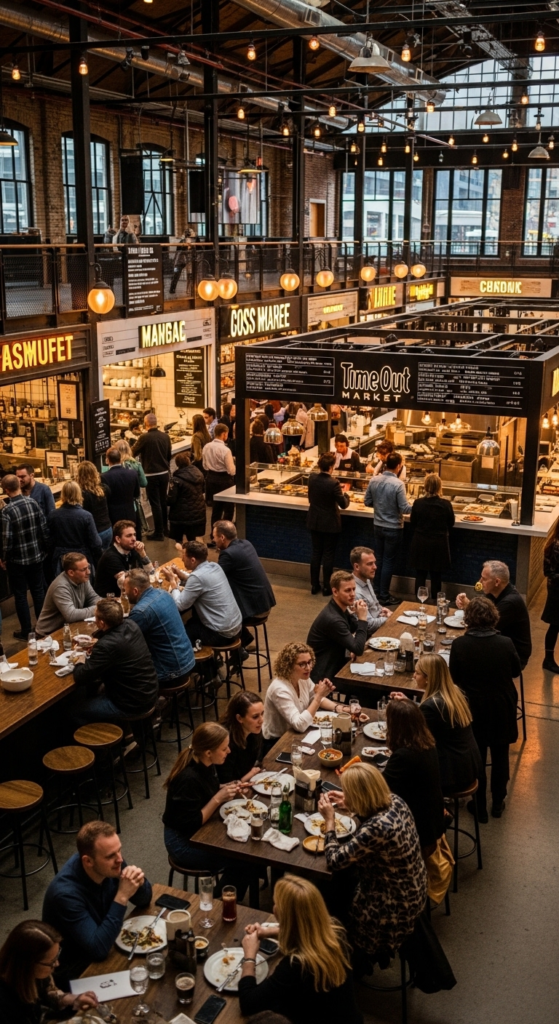
Time Out Market Lisboa is one of the best places to try different Portuguese dishes in one spot. It is located near Cais do Sodré and is easy to reach from the city center.
Inside, you will find many food stalls run by well-known chefs and local restaurants. You can try seafood, traditional cod dishes, burgers, desserts, and more. It is clean, organized, and simple for first-time visitors.
Worth It If
- You want many food options in one place
- You are traveling with friends or family with different tastes
- You prefer a casual dining setup
Avoid
Peak dinner time, especially between 7:30 PM and 9:00 PM. It gets loud and crowded. Finding a seat can take time.
Go for a late lunch or early dinner for a smoother experience.
Prices are higher than small local restaurants, but the variety and convenience make it worthwhile.
9. Take a Day Trip to Sintra
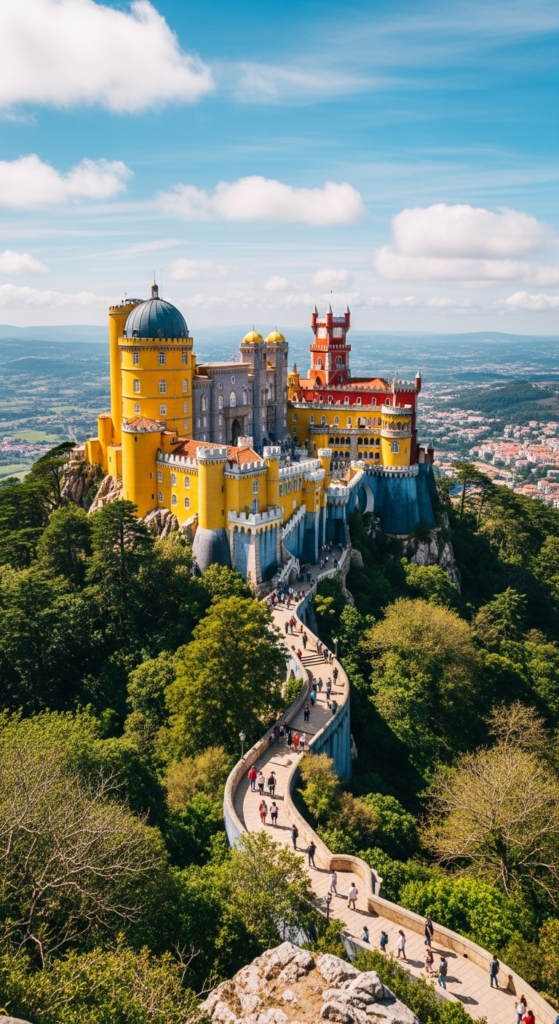
If you have extra time, take a day trip to Sintra. It feels completely different from Lisbon. The air is cooler. The landscape is green and hilly. Palaces sit on top of mountains like something from a fairytale.
The main highlight is Pena Palace. It is colorful, dramatic, and very photogenic. Another popular stop is Quinta da Regaleira, famous for its mysterious underground well.
Sintra is not small. Distances between palaces are long and uphill. Plan carefully and choose two main attractions instead of trying to see everything.
How to Get There
Take the train from Rossio Station in Lisbon. The journey takes about 40 minutes.
Budget
- Train: €5–10 return
- Palace tickets: €10–20 each
Time Needed
Full day. Leave early in the morning to avoid crowds. Return to Lisbon in the evening.
It is one of the best day trips from Lisbon and worth the effort.
10. Visit Cascais
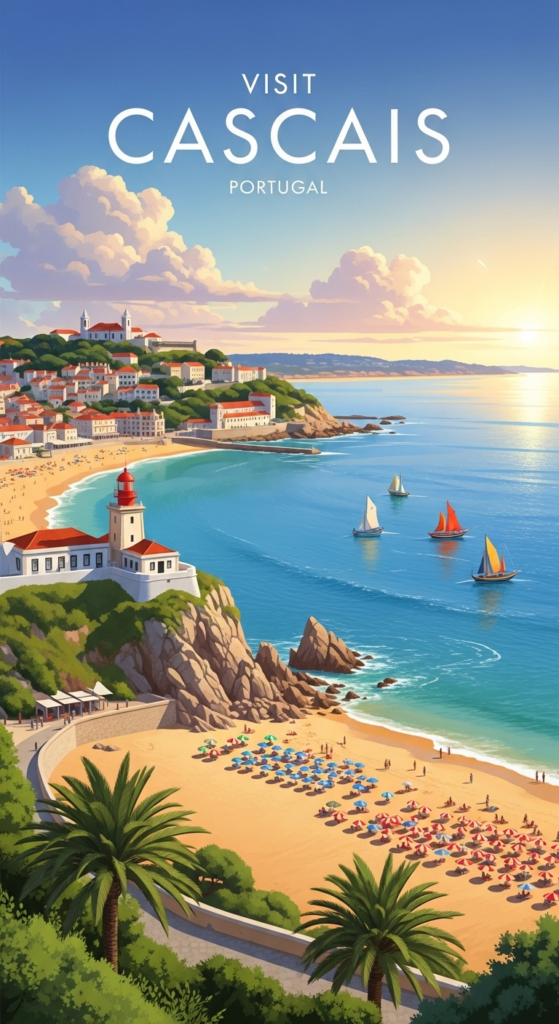
If you want ocean air and a relaxed vibe, visit Cascais. This charming beach town sits west of Lisbon along the Atlantic coast. It feels clean, calm, and refreshing.
Cascais used to be a small fishing village. Today, it is a popular seaside escape for both locals and visitors. You will find sandy beaches, a pretty marina, and peaceful coastal walks.
Spend time at the beach. Walk through the old town. Sit at a seaside café. The atmosphere is easy and slow.
How to Get There
Take the train from Cais do Sodré Station. The journey takes around 40 minutes and follows the coastline.
Budget
Train: around €5 return.
Best Time to Visit
Perfect for summer afternoons. Go after lunch and stay until sunset. The light over the ocean is beautiful.
It is one of the simplest and most relaxing day trips from Lisbon.
11. Explore Príncipe Real
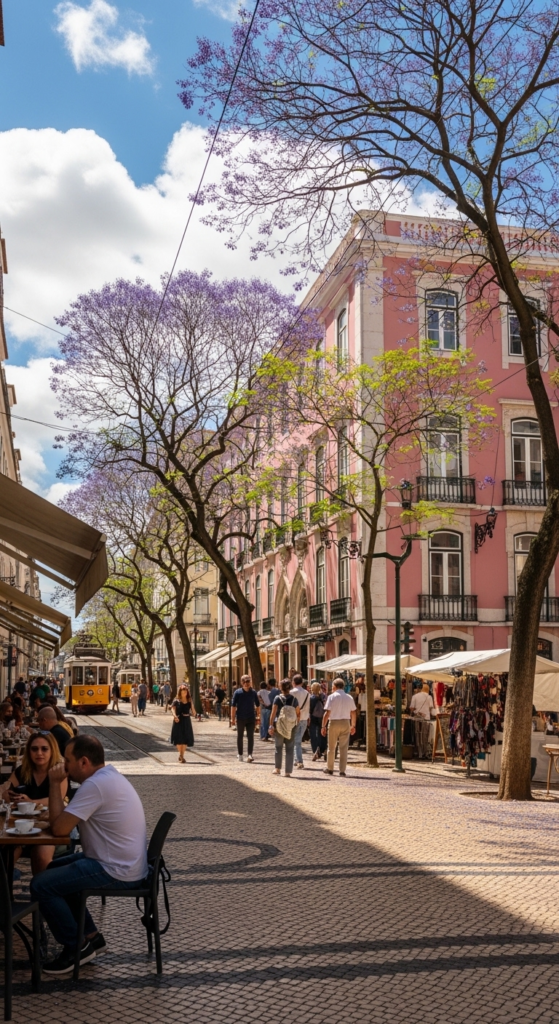
Príncipe Real offers a relaxed and stylish side of Lisbon. It feels calmer than Baixa and less crowded than Alfama. The streets are elegant but not overly busy.
This area is perfect when you want a slower pace. Walk without a plan. Stop at small cafés. Sit in the garden at Jardim do Príncipe Real and enjoy the shade.
Good For
- Rooftop drinks with city views
- Quiet dinners
- Slow evenings with fewer tourists
The vibe here is mature and comfortable. It is ideal after a full day of sightseeing.
Come in the late afternoon. Stay for sunset. Leave when the city lights begin to glow.
12. Walk Along the Tagus River

One of the simplest pleasures in Lisbon is walking along the Tagus River. The space feels open and calm. After exploring narrow streets, this wide waterfront is refreshing.
Start at Praça do Comércio. From there, follow the river west toward Cais do Sodré. The path is flat and easy.
You will see locals jogging, couples sitting by the water, and small boats moving slowly across the river. The breeze is gentle, especially in the evening.
Come here at sunset if possible. The sky turns soft pink and orange. The bridge and rooftops glow in warm light.
Budget
Free.
Why Do It?
It is relaxing. No tickets. No schedule. Just fresh air and space to breathe.
13. Visit LX Factory in Alcântara
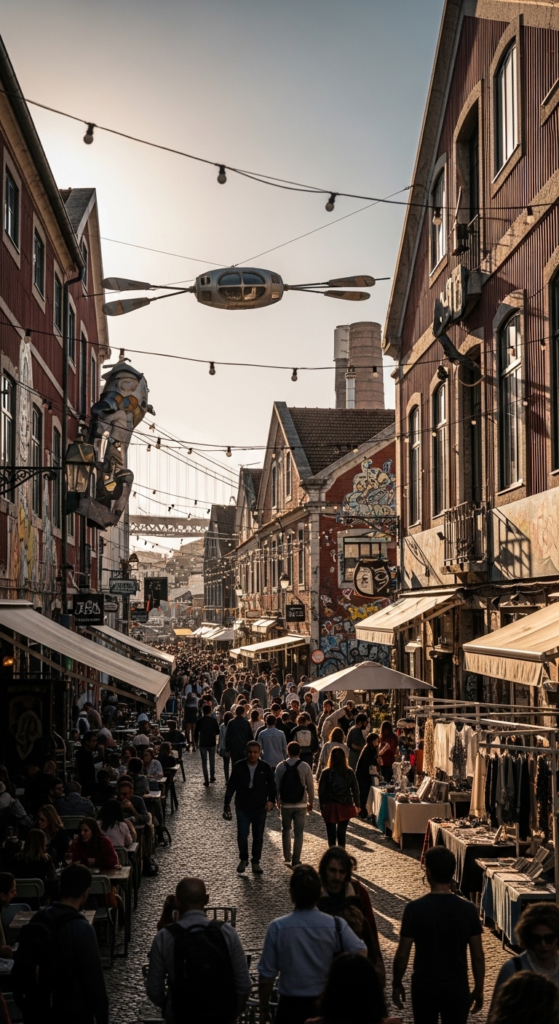
For a creative and modern side of Lisbon, visit LX Factory in Alcântara. This former industrial complex has been transformed into a vibrant cultural space.
Old warehouses now house design studios, bookstores, cafés, and restaurants. The atmosphere feels artistic and slightly alternative. Street art covers many walls, making it a great place for photography.
One highlight is Ler Devagar, a unique bookstore inside the complex. Even if you are not buying books, it is worth stepping inside.
Good For
- Dinner in a creative setting
- Rooftop drinks with views of the 25 de Abril Bridge
- Photography and content creation
- Shopping in independent concept stores
Come in the late afternoon. Stay for dinner. The lighting and mood improve as evening arrives.
14. Try Portuguese Seafood

Lisbon is close to the ocean. Seafood here is fresh, simple, and full of flavor. If you skip seafood, you miss an important part of Portuguese culture.
Must Eat
- Bacalhau – Salted codfish. Portugal has hundreds of recipes. Try it baked, grilled, or mixed with potatoes and eggs.
- Grilled sardines – Especially popular in summer. They are smoky, simple, and served with bread or salad.
- Octopus (Polvo) – Usually grilled or baked with olive oil and garlic. Tender and flavorful.
Most traditional restaurants serve generous portions. The flavors are clean and not overly complicated.
Budget
- Budget meal: €12–15
- Mid-range restaurant: €20–30
Look for small local restaurants away from the main tourist streets. That is where you find better prices and more authentic taste.
15. Visit Oceanário

If you are traveling with family, visit Oceanário de Lisboa. It is one of the largest indoor aquariums in Europe and very well designed.
The main highlight is the giant central tank. Sharks, rays, and large fish swim together in one open ecosystem. You can walk around it from different levels. It feels immersive and calm.
There are also smaller sections with penguins, sea otters, and tropical species. The layout is easy to follow. It is clean and organized.
Who It’s Best For
- Families with children
- Rainy days
- Travelers who want a break from hills and walking
Budget
Around €25 per adult.
Plan 2–3 hours for a relaxed visit. It is located in the modern Parque das Nações area, which is flat and easy to explore afterward.
16. Take a Tagus River Cruise
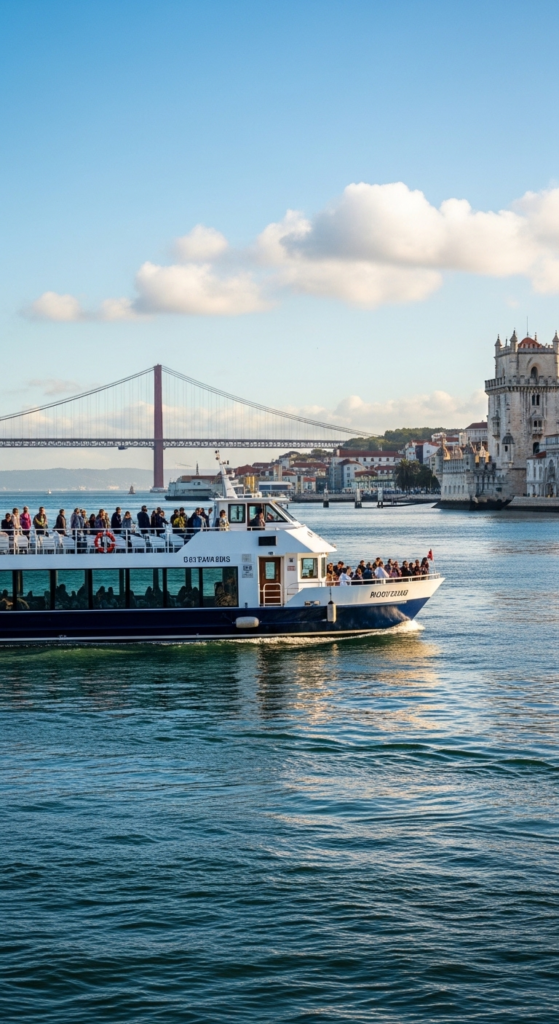
A river cruise on the Tagus is optional, but very scenic. Seeing Lisbon from the water gives you a different perspective. The hills, rooftops, and monuments look softer and more dramatic from the river.
Most cruises pass under the 25 de Abril Bridge and offer views of Belém Tower from the water. The ride is smooth and relaxing. You simply sit back and enjoy the skyline.
Best Time
Sunset. The light reflects on the river and the city turns golden. It feels calm and romantic.
Budget
€20–40 depending on the type of boat and duration.
Is It Worth It?
If you love sunsets and photography, yes. If you are short on time, you can skip it. It is a luxury experience, not a must-do.
17. Discover Local Markets

If you want something local and different, visit Feira da Ladra. This traditional flea market takes place every Tuesday and Saturday in the Alfama area.
You will find antiques, vintage items, old books, handmade crafts, and random collectibles. Some stalls feel organized. Others feel like treasure hunts. That is part of the charm.
It is not a polished tourist market. It feels authentic and slightly chaotic in a good way.
Why Visit
- Experience local life
- Search for unique souvenirs
- Practice simple bargaining
Budget
Free to enter. You only pay if you buy something.
Go in the morning for the best selection and cooler weather. Combine it with a walk around Alfama afterward.
18. Enjoy Fado Music in Alfama

Fado is the soul of Lisbon. It is emotional, slow, and powerful. The music tells stories of love, longing, and the sea. Listening to Fado in Alfama feels authentic because this is where it was born.
You sit in a small restaurant. Lights are dim. Dinner is served. Then the room goes quiet. A singer begins. The Portuguese guitar follows. Even if you do not understand the language, you will feel the emotion.
Look for traditional Fado houses in Alfama rather than large commercial venues. Smaller places feel more intimate.
Budget
Dinner + show: €25–50 depending on the venue and menu.
Is It Worth It?
If you enjoy culture and local traditions, yes. It is not just entertainment. It is part of Lisbon’s identity.
Book in advance during peak season to secure a good table.
19. Experience Lisbon at Night
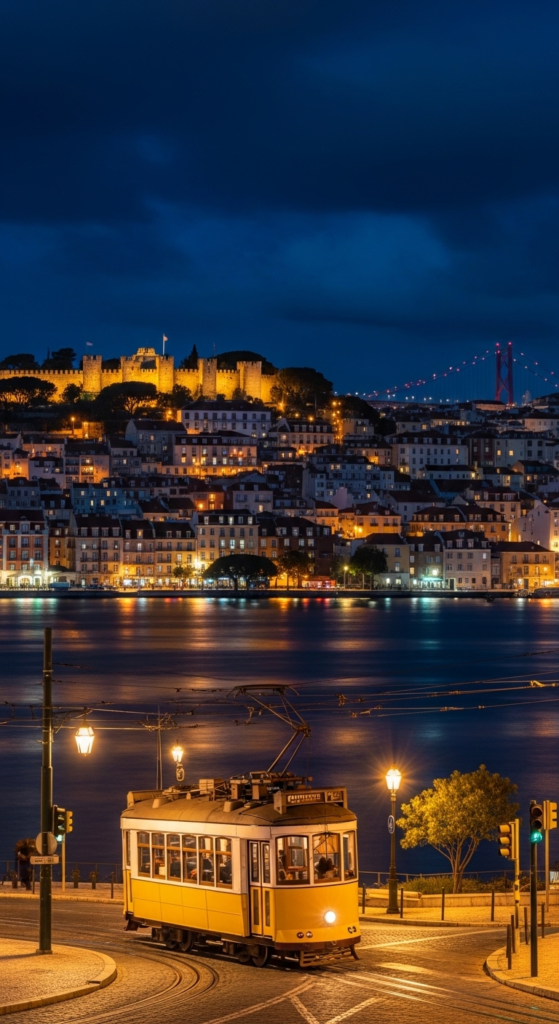
Lisbon changes after sunset. The hills glow. Rooftop terraces light up. Restaurants fill with energy. The city feels relaxed but alive.
For nightlife, head to Pink Street in Cais do Sodré. It is colorful, loud, and popular with both locals and visitors. Bars stay open late, and the atmosphere is casual.
If you prefer something calmer, choose a rooftop bar instead. Many offer panoramic city views with music and cocktails. It feels stylish without being chaotic.
Good Options
- Pink Street for bar hopping
- Rooftop terraces for skyline views
- Late dinners with wine and conversation
Avoid
- Walking alone in very late empty streets
- Carrying flashy valuables
- Excessive drinking in crowded areas
Lisbon is generally safe, but basic awareness is important. Enjoy the night, move confidently, and plan your ride home in advance.
Planning Your Perfect Weekend in Lisbon
Now let’s structure everything into a practical and realistic plan. Lisbon is compact, but the hills and day trips require smart planning.
Check Out: Where to stay in Lisbon
How Many Days Do You Need?
- 2 days = Highlights only. You will move fast.
- 3 days = Comfortable pace. Best balance.
- 4 days = Add Sintra or Cascais without rushing.
The perfect weekend in Lisbon is 3 days. You see the essentials and still enjoy slow moments.
Sample 3-Day Itinerary
Day 1: Historic Lisbon
Morning
Explore Alfama on foot. Wander the narrow streets. Visit São Jorge Castle for panoramic views.
Afternoon
Walk through Baixa and Chiado. Visit Rossio Square and Praça do Comércio. Keep it relaxed.
Evening
Watch sunset at a miradouro. Then enjoy a traditional Fado dinner in Alfama.
Day 2: Belém + Creative Lisbon
Morning
Spend half a day in Belém. Visit Jerónimos Monastery and Belém Tower. Try a pastel de nata before leaving.
Afternoon
Head to LX Factory in Alcântara. Browse shops. Relax in a café.
Evening
Dinner at Time Out Market Lisboa. Easy and convenient.
Day 3: Sintra or Cascais
Choose one:
- Sintra for palaces and mountains
- Cascais for beaches and ocean views
Both require a full day. Leave early. Return in the evening.
Budget Breakdown (Per Day)
Budget Traveler
€60–80
Hostel, public transport, simple meals.
Mid-Range
€120–180
Hotel stay, museum tickets, good restaurants.
Luxury
€250+
High-end hotel, fine dining, private tours.
Accommodation Guide
- Budget hostel: €20–40
- Mid-range hotel: €90–180
- Luxury hotel: €250+
Stay in Baixa, Chiado, or Avenida da Liberdade for convenience.
How to Get Around Lisbon
Buy the Viva Viagem card. It works for metro, buses, and trams.
- Metro is efficient and easy.
- Walking is best in central areas.
- Uber is affordable and widely available.
Avoid renting a car unless you plan to explore outside Lisbon regularly. Parking is difficult and unnecessary in the city center.
What’s Worth It in Lisbon?
✔ Sunset viewpoints
✔ Sintra day trip
✔ Alfama exploration
✔ Seafood dinners
✔ Walking everywhere
What to Avoid in Lisbon?
✘ Riding Tram 28 during peak hours
✘ Staying far outside city center
✘ Only visiting tourist restaurants
✘ Overplanning — Lisbon is best enjoyed slowly
Final Conclusion
Lisbon is not just a list of attractions. It is about light, hills, food, music, and atmosphere. It rewards slow travel. Sit at cafés. Watch sunsets. Walk without rushing.
If you plan smartly, understand neighborhoods, and balance sightseeing with relaxation, you will experience the best things to do in Lisbon in a meaningful way.
And if you want a complete Lisbon travel resource — detailed guides, local tips, weekend itineraries, food recommendations, and smart planning advice — Lisbon Wanderlust is designed to help you explore the city with confidence.
Lisbon is waiting.