
Must to See in Lisbon: 21 Top Sights in Lisbon
Lisbon is one of Europe’s most beautiful and charming capitals. The city is known for its colorful streets, historic trams, stunning viewpoints, and warm Atlantic light. Every corner feels full of history, culture, and local life.
From ancient castles to riverside monuments, there is so much to explore here. You will find traditional neighborhoods, delicious food markets, and breathtaking miradouros overlooking red rooftops. It is a city that feels relaxed but still full of energy.
In this guide, you will discover the must-see attractions and the best things to do in Lisbon for first-time visitors. These are the top sights that truly define the city and make any trip unforgettable.
Before you start planning your days, make sure to check the map below. It will help you organize the top sights by area and explore Lisbon in a smart and easy way.
Explore: Where to Stay in Lisbon: A Complete Guide for First Time Visitors
Map of Top Sights in Lisbon
Use this map to easily explore the must to see in Lisbon and plan your visit by area.
21 Must to See in Lisbon
Lisbon is full of history, color, and unforgettable views. If you are visiting for the first time, these are the places you simply cannot miss. This list covers the true highlights, from ancient castles to riverside landmarks. Let’s start exploring the top sights that make Lisbon so special.
Castelo de São Jorge
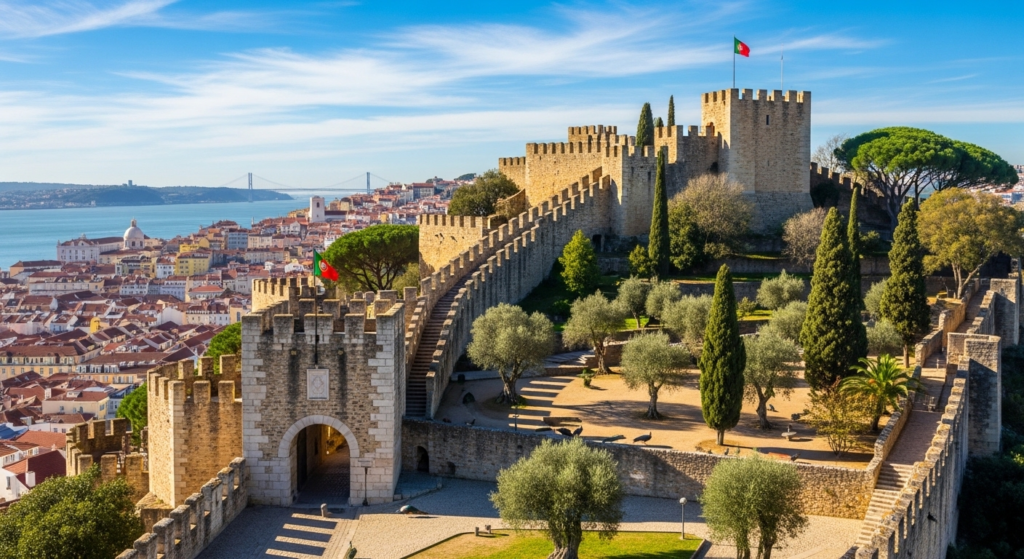
Castelo de São Jorge sits high above the city and offers some of the best views in Lisbon. The castle dates back to Moorish times and has played an important role in Portugal’s history. Today, it is one of the most visited landmarks in the city.
Inside, you can walk along the old stone walls and climb the towers. The views stretch over Alfama, the Tagus River, and even the red rooftops of Baixa. It is a perfect spot for photos.
There is also a small museum inside the castle. It explains Lisbon’s history from ancient times to the present. You will find archaeological remains and interactive displays.
The castle grounds are large, so wear comfortable shoes. You will walk on cobblestones and uphill paths. Peacocks often roam freely inside the walls.
Try to visit early in the morning or late in the afternoon. Midday can be busy, especially in summer. Buying tickets online helps you skip long lines.
Jerónimos Monastery
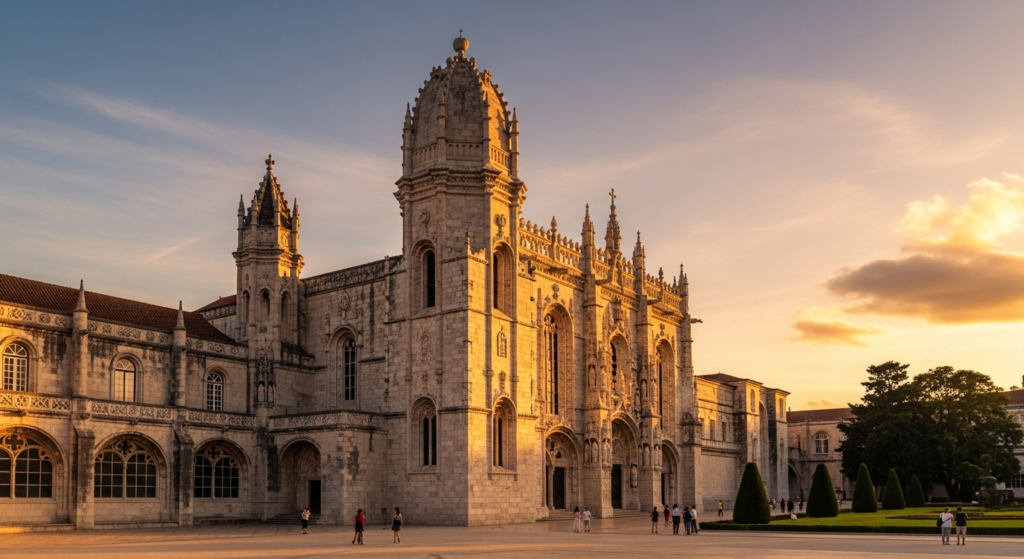
Jerónimos Monastery is one of the most impressive buildings in Portugal. It is located in the Belém district and is a UNESCO World Heritage Site. The monastery was built in the 16th century during the Age of Discoveries.
The architecture is stunning. The detailed Manueline carvings include maritime symbols, ropes, and exotic motifs. The cloisters are the highlight and are beautifully preserved.
Inside the church, you can see the tomb of Vasco da Gama. The high ceilings and stone columns create a peaceful atmosphere. It is a place full of history and national pride.
Lines can be long, especially in peak season. Arrive early or book a timed ticket online. The Lisbon Card also includes entry.
Plan to spend at least one to two hours here. Combine your visit with other attractions in Belém since they are close to each other.
Belém Tower
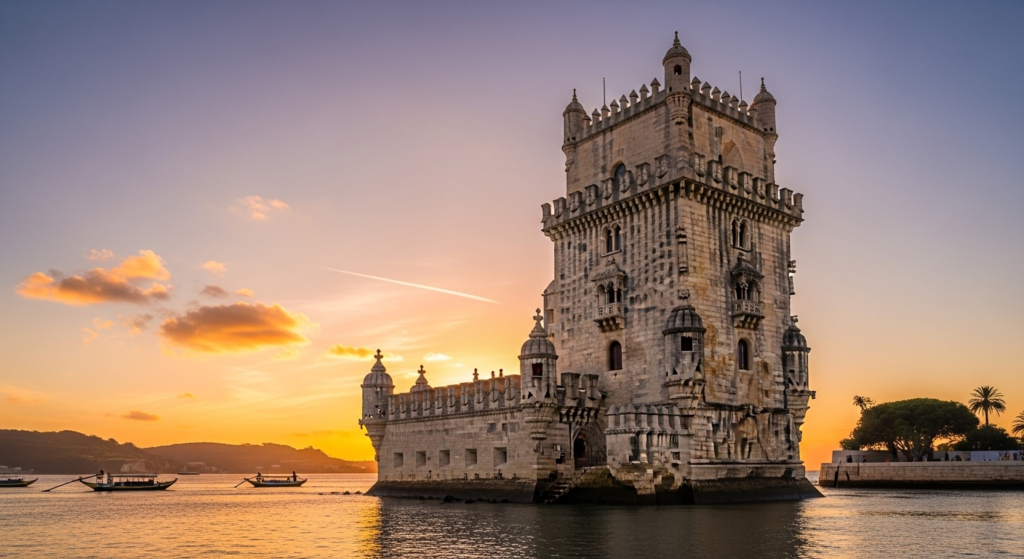
Belém Tower stands right on the edge of the Tagus River. It was built in the 16th century to protect Lisbon’s harbor. Today, it is one of the city’s most iconic landmarks.
The tower has a unique Manueline style with decorative stonework. From the outside, it looks like a small fairytale fortress. It is especially beautiful at sunset.
You can enter the tower and climb narrow staircases to the top. The upper terrace offers lovely river views. However, the stairs are tight, so be prepared for small spaces.
The area around the tower is perfect for walking. You can enjoy riverside views and green spaces nearby. It is also a great photo location.
Visit early in the day to avoid long queues. Pair your visit with Jerónimos Monastery and the Monument to the Discoveries for a full Belém experience.
Praça do Comércio
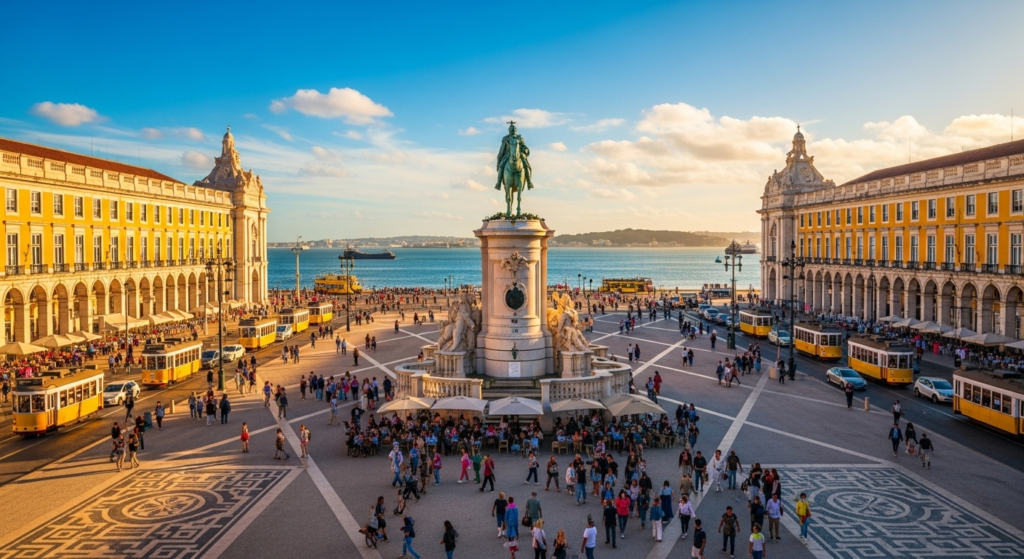
Praça do Comércio is Lisbon’s grand waterfront square. It sits along the Tagus River and is surrounded by yellow historic buildings. This square was rebuilt after the 1755 earthquake.
At the center, you will see a statue of King José I. The square feels open and impressive, with wide walking space. It is one of the best places to feel Lisbon’s scale.
The Arco da Rua Augusta stands at the northern end of the square. You can climb to the top for beautiful views over the city and river. It is worth the small entrance fee.
Many cafés and restaurants line the square. It is a good place to relax with a coffee while enjoying river views. Street performers are often around.
Visit during sunset for the best atmosphere. The golden light reflects on the buildings and water, creating a beautiful scene.
Oceanário de Lisboa
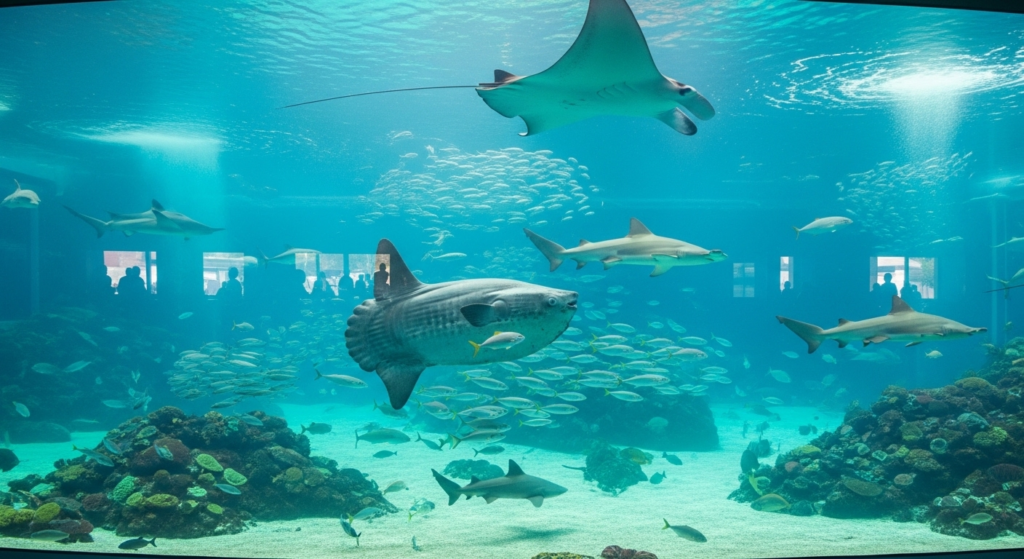
Oceanário de Lisboa is one of the best aquariums in Europe. It is located in the modern Parque das Nações area. This attraction is perfect for families and marine life lovers.
The main highlight is the giant central tank. It holds different species like sharks, rays, and colorful fish. You can walk around it on multiple levels.
The aquarium focuses on ocean conservation and education. Exhibits are well organized and easy to understand. It is both fun and informative.
Plan to spend about two to three hours here. The building is spacious and easy to navigate. It is a great indoor option on rainy days.
You can combine your visit with a walk along the waterfront in Parque das Nações. The area is modern and less crowded than central Lisbon.
LX Factory
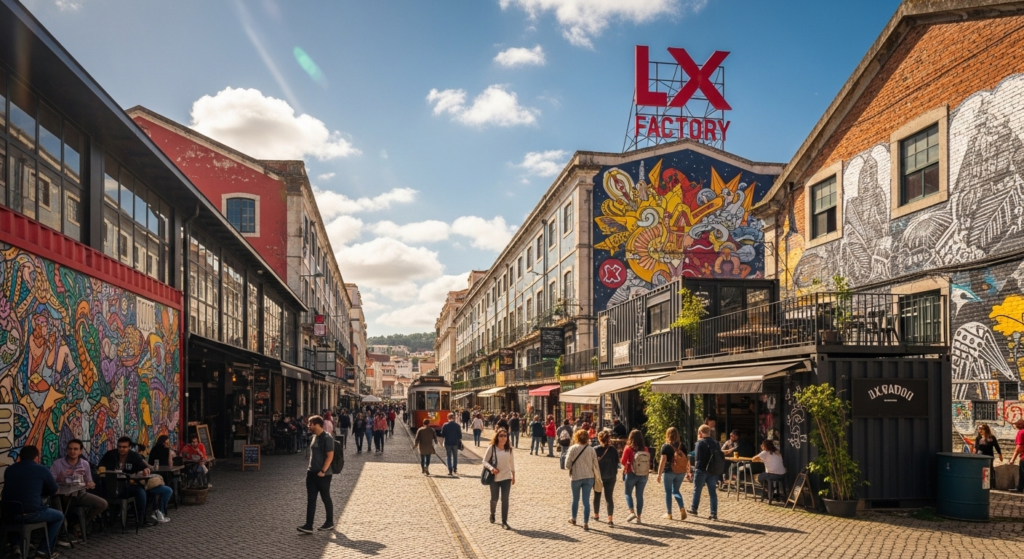
LX Factory is one of the coolest places to visit in Lisbon. It is located under the Ponte 25 de Abril bridge in the Alcântara district. This old industrial complex has been transformed into a creative hub.
You will find street art, design shops, bookstores, and trendy cafés. The atmosphere feels modern and artistic. It is very different from the historic center.
One of the most famous spots here is the Ler Devagar bookstore. It has a unique interior with books from floor to ceiling. It is perfect for photos.
There are also many restaurants and rooftop bars. You can enjoy lunch, dinner, or just coffee with a relaxed vibe. Weekends are usually busier.
Visit in the afternoon or early evening. It is a great place to unwind after sightseeing in Belém.
Santa Justa Lift
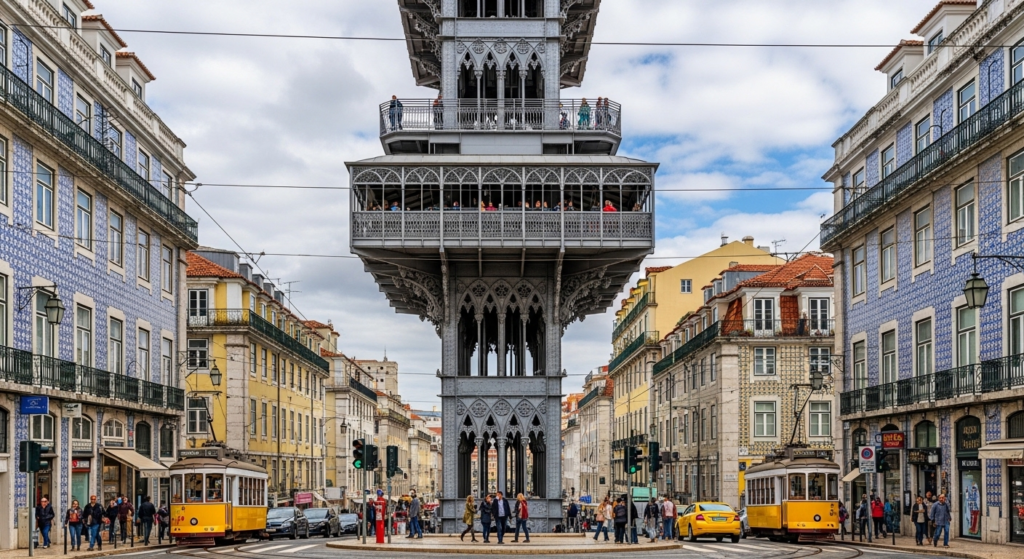
Santa Justa Lift connects the Baixa district with Bairro Alto. It was built in the early 1900s and has a beautiful iron structure. The design looks similar to the Eiffel style.
The lift takes you up to a viewing platform. From the top, you get great views of downtown Lisbon. You can also see Carmo Convent ruins nearby.
Lines can be long during the day. If you want to avoid waiting, walk up from the Bairro Alto side instead. You can still access the viewpoint.
The ride itself is short but interesting. It is more about the view than the transportation. Many visitors come just for photos.
Try to go early in the morning. The light is softer and the crowds are smaller.
Carmo Archaeological Museum
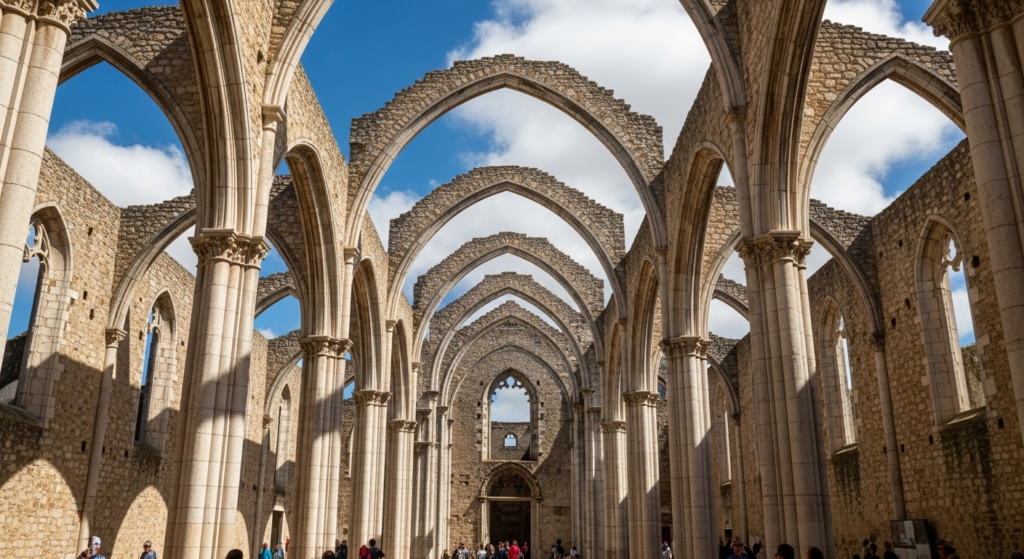
Carmo Archaeological Museum is located in the ruins of a Gothic convent. The building was destroyed during the 1755 earthquake. Today, the roofless arches create a dramatic open-air space.
Walking inside feels peaceful and historic. You can see old tombs, sculptures, and archaeological pieces. The setting is unique and very photogenic.
The museum explains the story of the earthquake and Lisbon’s reconstruction. It gives helpful context about the city’s past. It is not too large, so it is easy to explore.
This attraction is less crowded than others nearby. It offers a quiet break from busy streets. Plan around one hour for your visit.
It is located near Santa Justa Lift, so you can combine both stops easily.
Lisbon Cathedral
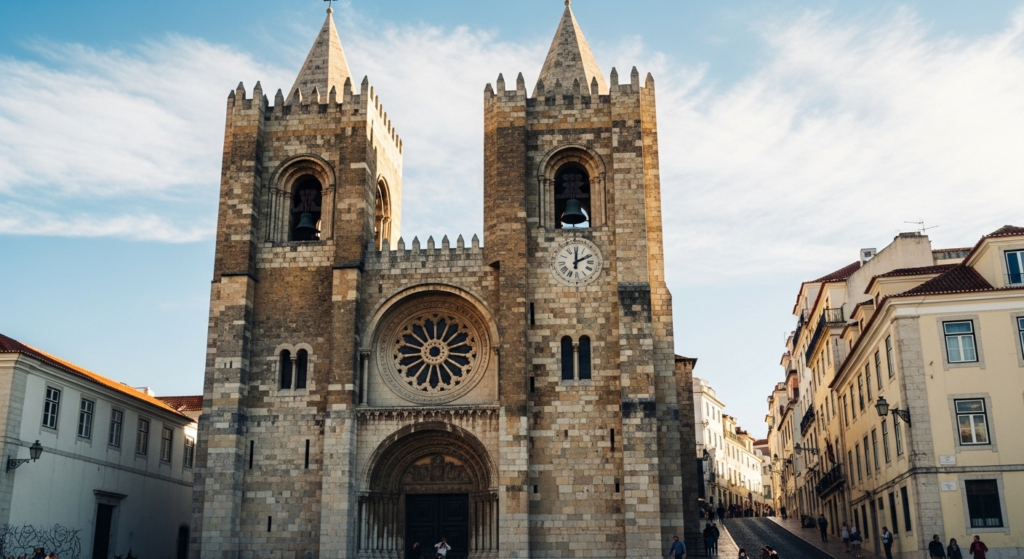
Lisbon Cathedral, also called Sé de Lisboa, is the city’s oldest church. It was built in 1147 after the Christian reconquest. The exterior looks strong and fortress-like.
Inside, the cathedral has a mix of Romanesque and Gothic styles. The main chapel is simple but impressive. The stained-glass windows add soft color to the interior.
You can also visit the cloisters. Archaeological remains from Roman and Moorish times were found here. It shows how many layers of history Lisbon has.
The cathedral sits in the Alfama district. It is easy to visit while exploring nearby streets. Tram 28 also passes in front of it.
Spend about 45 minutes to one hour here. It is a quick but meaningful stop in the historic center.
Museu Nacional do Azulejo
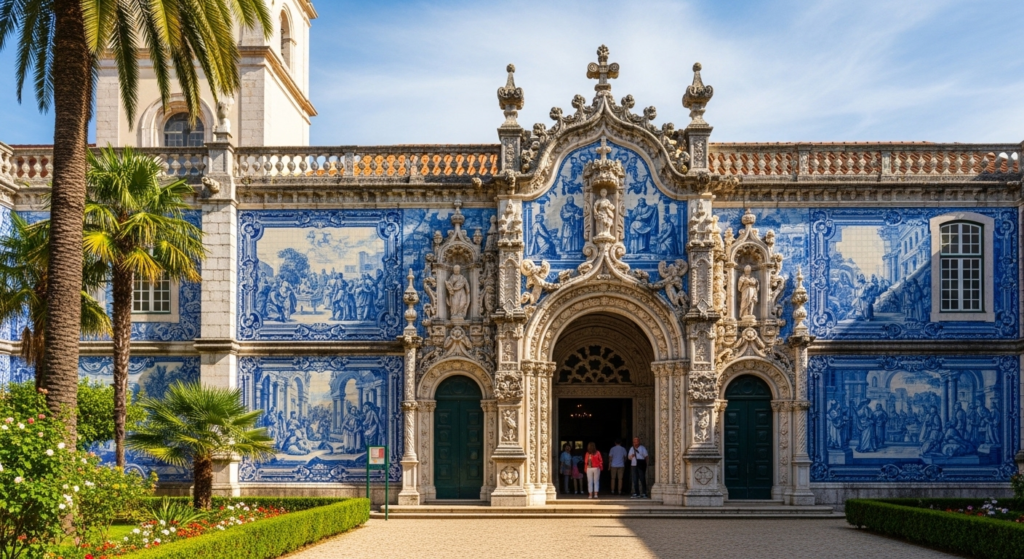
Museu Nacional do Azulejo is dedicated to Portugal’s famous ceramic tiles. It is located slightly outside the main tourist area. The museum is set inside a beautiful old convent.
Inside, you will learn about the history of azulejos from the 15th century to today. The tile panels are colorful and detailed. Some rooms are absolutely stunning.
One highlight is the large panoramic tile panel of Lisbon before the 1755 earthquake. It helps you imagine the old city. It is one of the museum’s most important pieces.
This museum is quieter than others in Lisbon. It is perfect if you want something cultural and less crowded. Plan around one to two hours.
Take a taxi or bus to reach it easily. It is worth the short trip for a unique experience.
Time Out Market
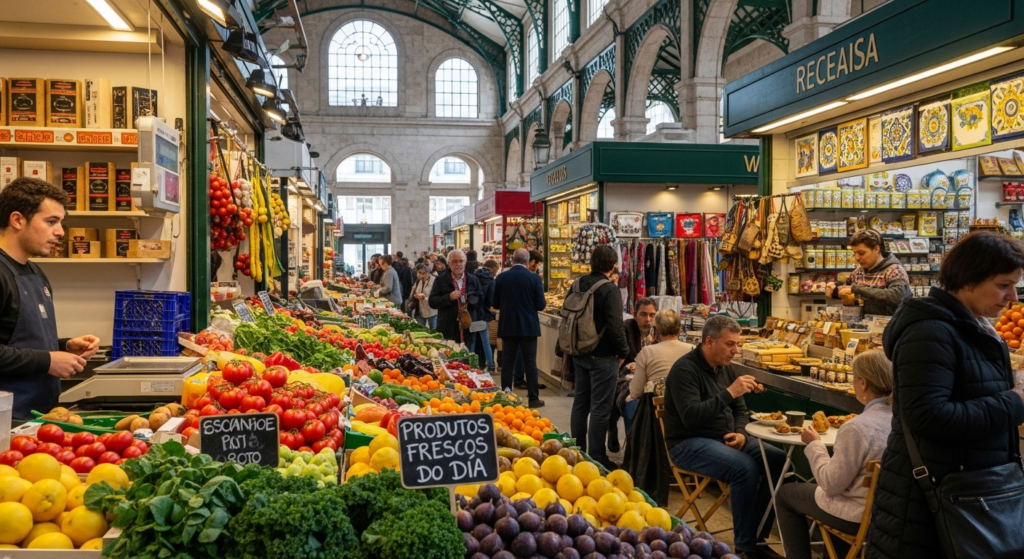
Time Out Market is Lisbon’s most popular food hall. It is located near Cais do Sodré and is easy to reach from the city center. This is the perfect place to try many local dishes in one stop.
Inside, you will find top Portuguese chefs and traditional food stalls. You can try pastel de nata, fresh seafood, grilled meats, and local desserts. There are also wine and cocktail bars.
The seating area is large and shared. It can get busy during lunch and dinner. If possible, visit earlier to find a table easily.
Prices are higher than local cafés but still reasonable. It is a great option if you want variety and convenience. Plan about one hour for your visit.
Monument to the Discoveries
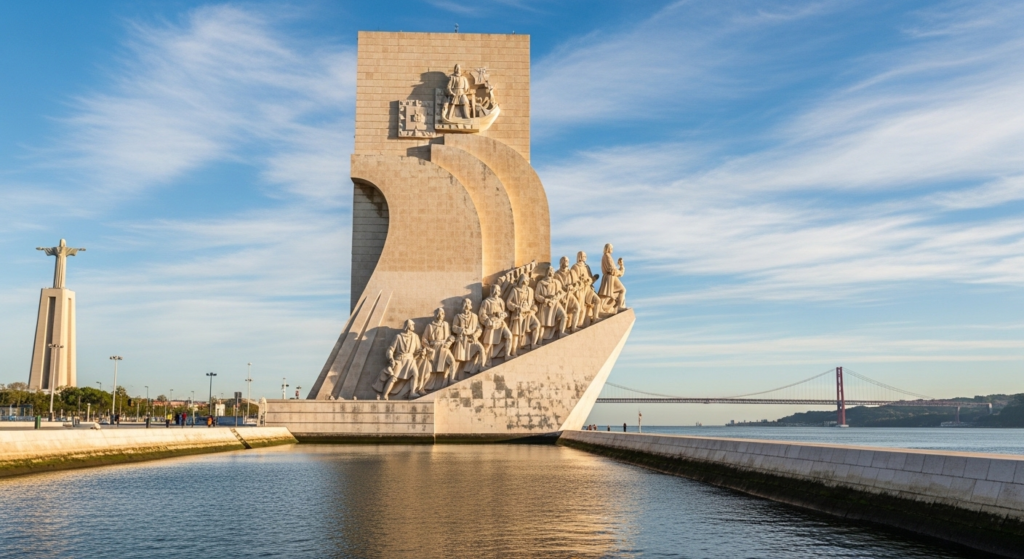
The Monument to the Discoveries stands proudly along the river in Belém. It was built to honor Portugal’s explorers from the Age of Discoveries. The monument features Prince Henry the Navigator at the front.
The structure is large and shaped like a ship’s prow. It represents the country’s maritime history. The details on the statues are impressive.
You can go inside and take an elevator to the top. The rooftop offers panoramic views of Belém and the Tagus River. It is also a good place for photos.
In front of the monument, there is a large compass map on the ground. It shows the routes of Portuguese explorations. Plan around 30 to 45 minutes here.
Miradouro da Senhora do Monte
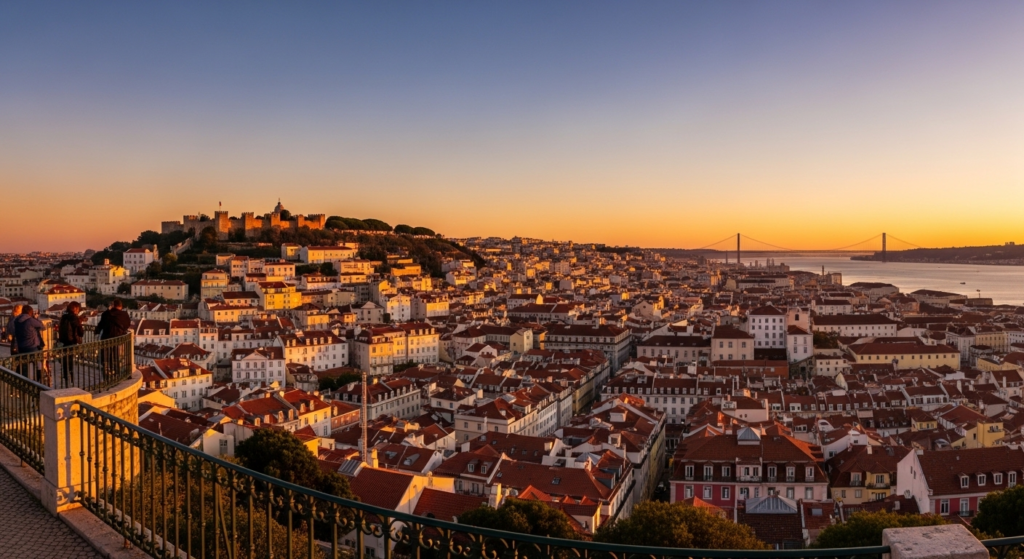
Miradouro da Senhora do Monte is the highest viewpoint in Lisbon. It is located in the Graça district. Many locals consider it the best place for sunset.
From here, you can see Castelo de São Jorge, the river, and much of the city skyline. The view feels wide and open. It is less crowded than other viewpoints.
There is a small chapel next to the viewpoint. The atmosphere is peaceful and relaxed. It is a great place to take a break.
Bring water if visiting in summer, as the walk uphill can be tiring. Comfortable shoes are recommended. Plan about 30 minutes to enjoy the scenery.
Calouste Gulbenkian Museum
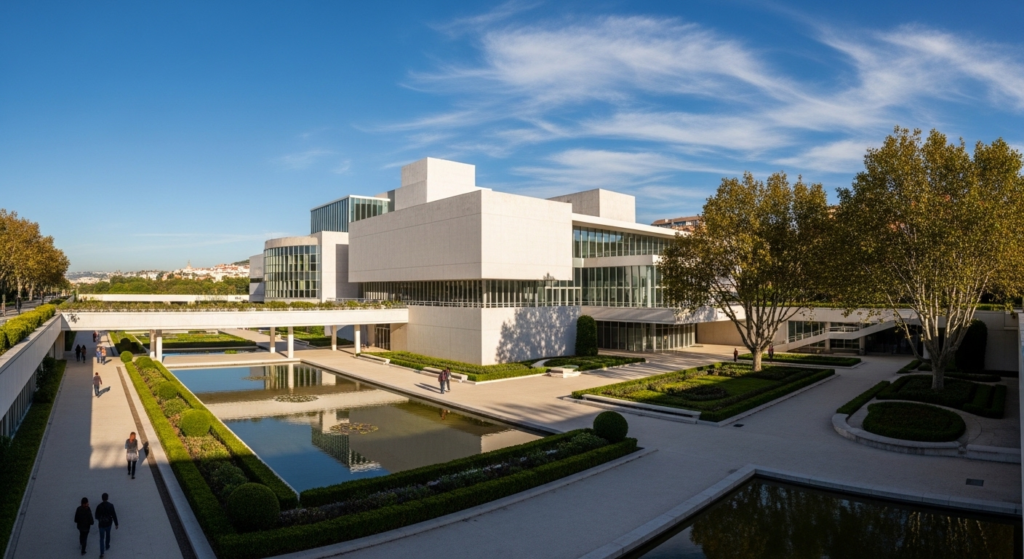
Calouste Gulbenkian Museum is one of Lisbon’s best art museums. It is located in a quieter, modern part of the city. The museum houses a private collection of international art.
Inside, you will find Egyptian artifacts, European paintings, and decorative arts. The collection spans thousands of years. The layout is easy to follow.
The surrounding gardens are beautiful and peaceful. Many visitors enjoy walking outside after exploring the galleries. It is a relaxing environment.
This museum is less crowded than others in Lisbon. It is ideal for art lovers or travelers wanting a calm experience. Plan one to two hours for your visit.
Miradouro de Santa Luzia
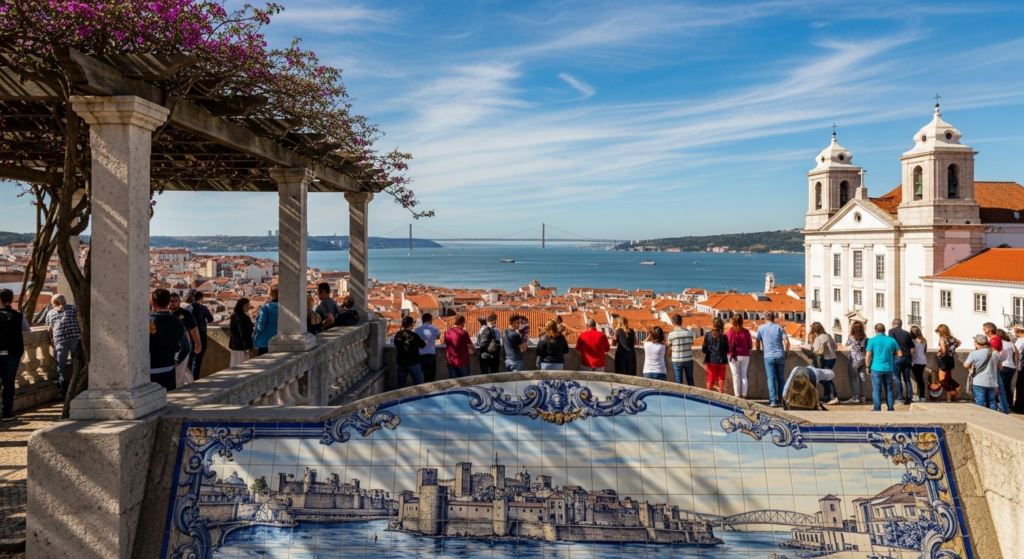
Miradouro de Santa Luzia is one of the most photographed spots in Lisbon. It overlooks the Alfama district. The view of red rooftops and the river is beautiful.
The terrace is decorated with traditional blue azulejo tiles. The setting feels romantic and charming. It is especially lovely in the morning light.
This viewpoint is close to São Jorge Castle. You can easily visit both on the same day. It is also along the Tram 28 route.
It can get busy during sunset. Try to arrive early for a quieter experience. Plan around 20 to 30 minutes to enjoy the view.
Tram 28
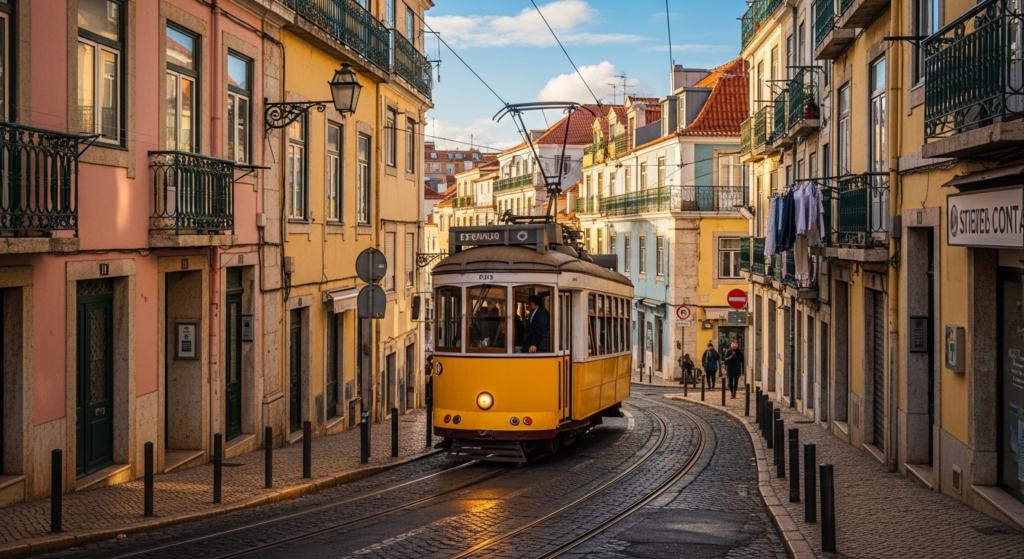
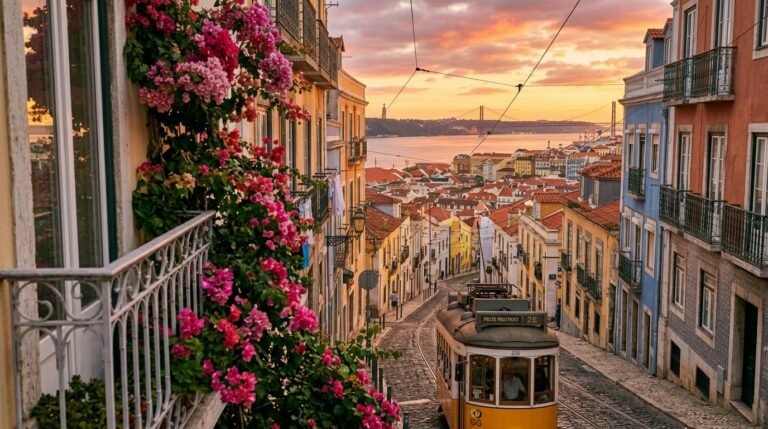
Tram 28 is one of the most famous experiences in Lisbon. The small yellow tram passes through many historic neighborhoods. It is both public transport and a sightseeing ride.
The route goes through Graça, Alfama, Baixa, and Estrela. You will pass narrow streets and beautiful old buildings. It feels like traveling back in time.
The tram can get very crowded, especially in summer. Try to ride early in the morning to get a seat. Pickpocketing can happen, so stay alert.
Buy a 24-hour public transport ticket to save money. The ride itself takes about 40 to 50 minutes if you complete the full route.
MAAT – Museum of Art, Architecture and Technology
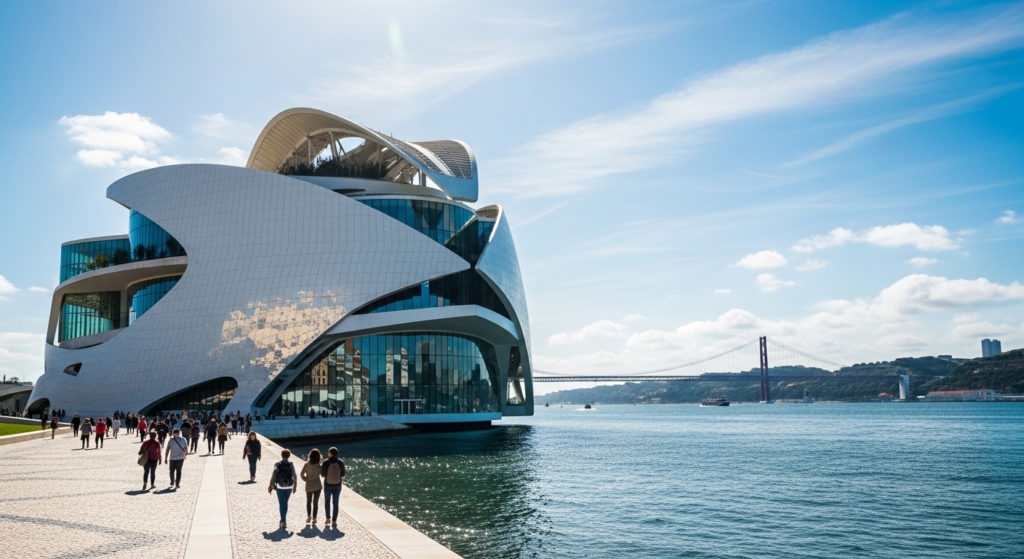
MAAT is one of Lisbon’s most modern attractions. The building has a unique wave-like design along the river. It is located in the Belém area.
You can walk on the rooftop for free. The views of the Tagus River and Ponte 25 de Abril are excellent. It is a great photo spot.
Inside, the museum hosts contemporary art and technology exhibitions. Displays change often, so there is usually something new to see. Not all exhibitions are large, so plan around one hour.
Even if you skip the interior, the exterior alone is worth visiting. Combine it with nearby Belém landmarks.
Miradouro das Portas do Sol
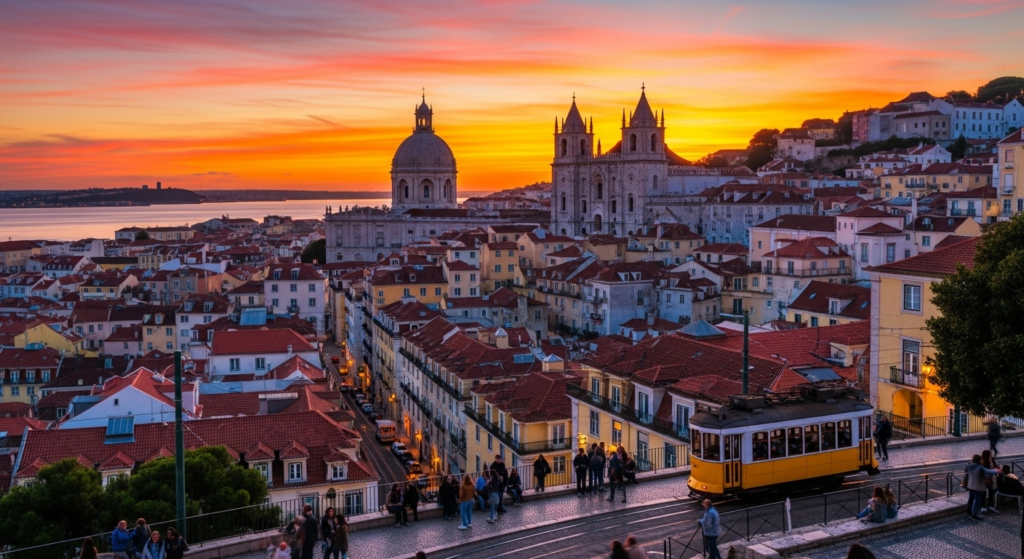
Miradouro das Portas do Sol offers one of the classic Lisbon postcard views. It overlooks the Alfama district and the river. The terrace is wide and easy to access.
From here, you can see São Vicente de Fora and rows of terracotta rooftops. The view is especially beautiful in the morning. Light falls perfectly over the city.
There are small cafés nearby where you can relax. Street musicians sometimes perform here. It creates a lively but calm atmosphere.
This viewpoint is very close to Santa Luzia and São Jorge Castle. You can visit all three easily in one walk.
Bairro Alto
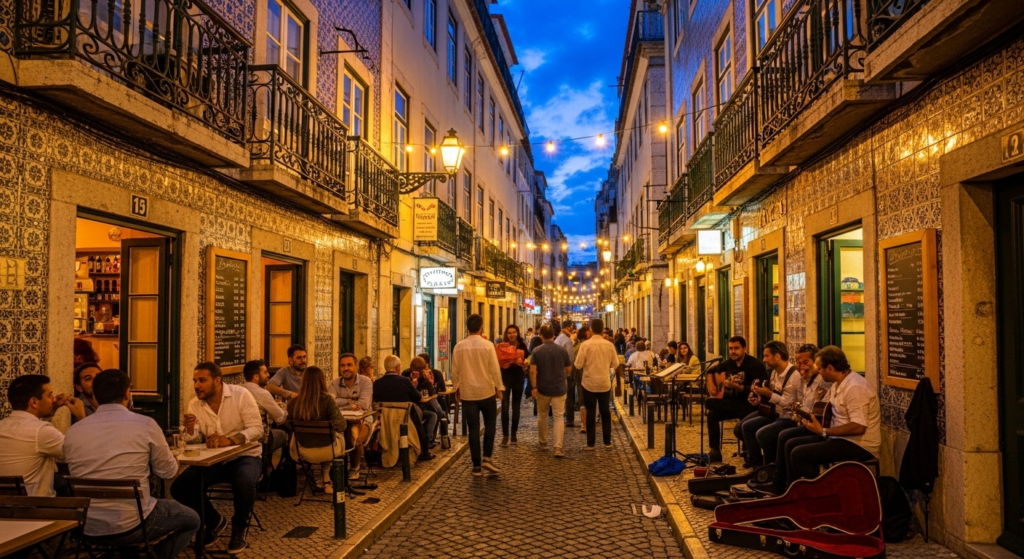
Bairro Alto is Lisbon’s nightlife heart. During the day, it feels quiet and residential. At night, the streets fill with people.
You will find small bars, live music spots, and traditional Fado houses. The atmosphere is fun and casual. Many places are simple but full of character.
It is best explored on foot. The streets are narrow and full of energy. Wear comfortable shoes for walking on cobblestones.
If you prefer something quieter, visit in the late afternoon. For nightlife, arrive after 9 pm when things start to get lively.
Ponte 25 de Abril
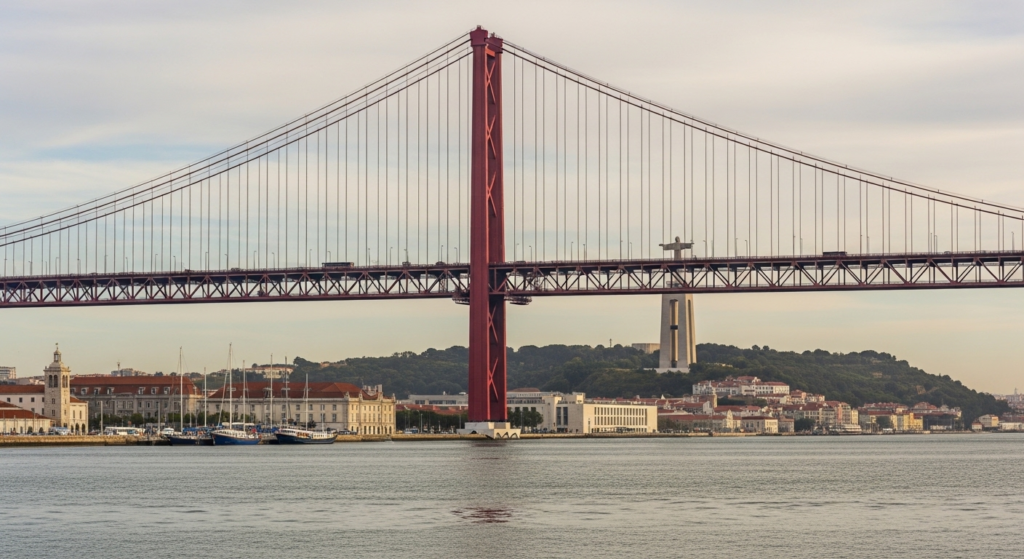
Ponte 25 de Abril is Lisbon’s famous red suspension bridge. It connects the city to the southern side of the Tagus River. Many visitors compare it to the Golden Gate Bridge.
You cannot walk across the main bridge easily, but you can enjoy great views from many spots. MAAT and Belém waterfront offer nice angles. Sunset views are especially impressive.
On the other side of the river stands the Cristo Rei statue. From there, you get one of the best panoramic views of Lisbon and the bridge.
It is mainly a visual attraction, not a sightseeing stop inside. Still, it is an important symbol of the city.
Arco da Rua Augusta
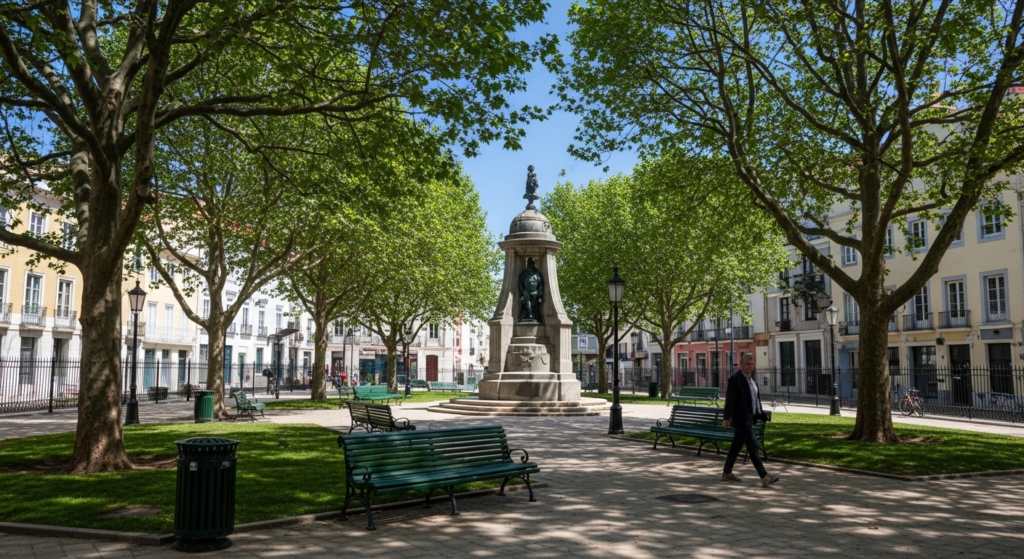
Arco da Rua Augusta stands at the entrance of Praça do Comércio. It is a grand triumphal arch built after the 1755 earthquake. The structure celebrates Lisbon’s reconstruction.
You can buy a ticket to climb to the top. The viewing platform offers one of the best views over Baixa and the river. It is worth the small fee.
Inside, you will see statues representing Portuguese heroes. The architecture details are impressive up close. The climb is short and manageable.
Visit during sunset for beautiful light over the square. It is a perfect final stop while exploring central Lisbon.
Best Time to Visit Lisbon
Lisbon is a great city to visit all year. The weather is mild, and winters are not too cold. However, some months are better for sightseeing.
The best time to visit Lisbon is from April to June and September to October. During these months, the weather is warm but not too hot. Crowds are smaller compared to peak summer.
July and August are the hottest months. Temperatures can go above 30°C, and popular attractions become very crowded. Prices for hotels also increase.
Winter, from November to February, is quieter and cheaper. You may get some rain, but you will enjoy fewer tourists. It is a good option if you prefer a relaxed trip.
If you love festivals, visit in June. Lisbon celebrates the Festas de Santo António with street parties, music, and grilled sardines.
How Many Days You Need
Lisbon is perfect for a short city break. You can see the main highlights in two to three days. This is enough time to explore historic neighborhoods and major attractions.
If you stay for three days, you can visit Belém, Alfama, Baixa, and Bairro Alto comfortably. You will also have time for viewpoints and local food spots. It allows a balanced pace.
Four to five days is ideal if you want a slower trip. You can add museums, parks, and modern districts like Parque das Nações. It also gives time for a day trip.
Many travelers take a day trip to Sintra or Cascais. If you plan this, consider staying at least four days. Lisbon deserves more than a rushed visit.
What to Avoid in Lisbon
Avoid riding Tram 28 during peak midday hours. It becomes extremely crowded and uncomfortable. Early morning is a better choice.
Do not stay too far outside the city center. Lisbon has many hills, and transportation takes time. Staying central saves energy and travel time.
Be careful with pickpockets in crowded areas. Tourist hotspots and trams are common places. Keep your belongings secure.
Avoid eating at restaurants with aggressive staff inviting you inside. These places are often overpriced. Walk a few streets away to find better local options.
Also, avoid overplanning your schedule. Lisbon is best enjoyed slowly. Leave time for walking and discovering hidden streets.
Final Travel Tips
Wear comfortable shoes. Lisbon is famous for its steep hills and cobblestone streets. You will walk more than you expect.
Buy a 24-hour public transport ticket if you plan to use trams and buses often. It saves money and is easy to use. The metro is clean and efficient.
Always carry some water, especially in summer. The sun can feel strong during the day. Sunscreen is also important.
Learn a few simple Portuguese words. A small “Obrigado” or “Olá” is always appreciated. Locals are friendly and helpful.
Most importantly, take your time. Enjoy the viewpoints, try local food, and explore beyond the main streets. Lisbon is a city that rewards slow travel.
Conclusion
Lisbon is a city that truly has something for everyone. From historic castles and grand monasteries to colorful neighborhoods and river views, every corner tells a story. It is a place where tradition and modern life blend beautifully.
These 21 must to see in Lisbon cover the true highlights of the city. Whether you are visiting for a weekend or a longer stay, these top sights will help you experience the very best of Lisbon. Each attraction adds something unique to your trip.
Take your time exploring the streets of Alfama, enjoy the views from the miradouros, and taste the local food along the way. Lisbon is not just about ticking off landmarks. It is about enjoying the atmosphere, the culture, and the rhythm of the city.
If you plan smartly and follow this guide by Lisbon Wanderlust, you will see why Lisbon remains one of Europe’s most loved destinations.
FAQs
What not to miss in Lisbon?
You should not miss Castelo de São Jorge, Jerónimos Monastery, and Belém Tower. These are some of the most iconic landmarks in the city. They show Lisbon’s rich history and connection to the Age of Discoveries.
Also, do not miss the viewpoints in Alfama and Graça. Miradouro de Santa Luzia and Senhora do Monte offer unforgettable views. A ride on Tram 28 is another classic Lisbon experience.
What is Lisbon famous for?
Lisbon is famous for its historic neighborhoods, yellow trams, and beautiful viewpoints. The city is also known for its tiled buildings called azulejos. You will see them everywhere.
It is also famous for pastel de nata, fresh seafood, and Fado music. The Age of Discoveries played a major role in shaping Lisbon’s identity. Many monuments in Belém celebrate this period.
What to absolutely see in Lisbon?
If you have limited time, focus on the main highlights. Visit São Jorge Castle for city views and Jerónimos Monastery for architecture. Belém Tower is also essential.
Walk through Alfama and explore Praça do Comércio. Spend time at one or two viewpoints for sunset. These experiences capture the true spirit of Lisbon.
Which is nicer, Porto or Lisbon?
Both cities are beautiful, but they offer different experiences. Lisbon is larger, more diverse, and has more major attractions. It also has better weather and more viewpoints.
Porto feels smaller and more traditional. It is famous for port wine and riverside charm. If you prefer a bigger city with more variety, Lisbon may be better. If you like a compact and cozy atmosphere, Porto might suit you more.