
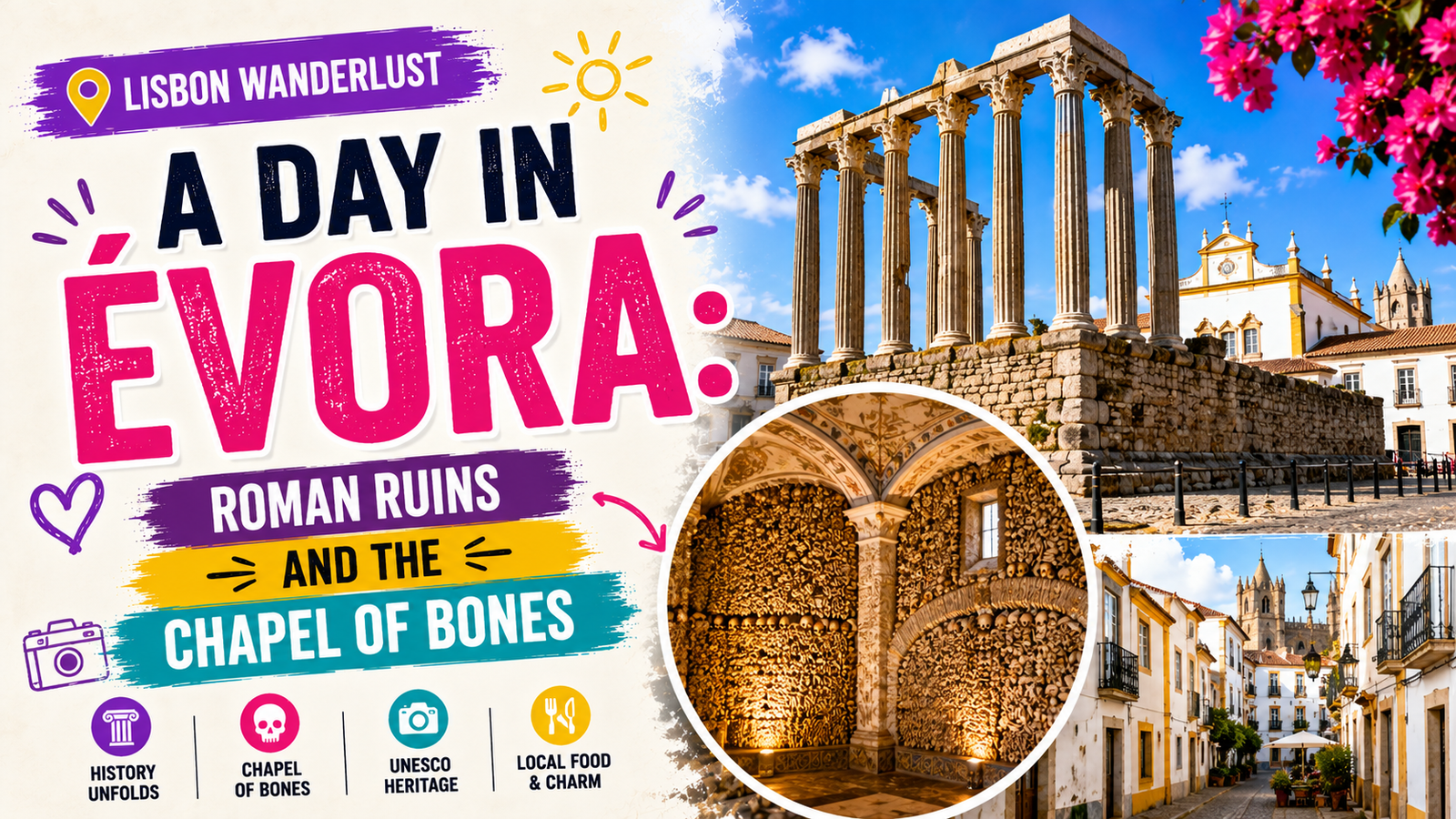
A Day in Évora: Roman Ruins and the Chapel of Bones
Évora serves as the historical capital of the Alentejo region in Portugal. This city is a UNESCO World Heritage site located approximately 130 kilometers east of Lisbon. Visitors travel here to see well-preserved Roman ruins and unique religious sites.
A day trip to Évora offers a deep look into Portuguese history spanning over 2,000 years. The city is famous for its medieval walls and whitewashed houses. This guide provides the factual details needed to plan a complete itinerary from Lisbon.
Transport Logistics from Lisbon to Évora
The most efficient way to reach Évora is by using public bus services. Rede Expressos and FlixBus operate direct routes from the Sete Rios or Oriente stations in Lisbon. Bus tickets generally cost between €5 and €14 depending on how early the booking is made.
Trains offer an alternative for travelers preferring rail transport. Comboios de Portugal (CP) runs the Intercidades service from Santa Apolónia or Entrecampos stations. The train journey takes about 1 hour and 30 minutes with tickets priced around €13 to €16 for a second-class seat.
The Évora train station is located about one kilometer south of the historic city walls. Travelers can walk to the center in 15 minutes or take a local taxi for approximately €5. Buses arrive at the Terminal Rodoviário, which is slightly closer to the main entrance of the old town.
📍 Key Takeaways: Évora Day Trip
- ✔ Top Landmarks: Must-visit sites include the 1st-century Roman Temple, the bone-lined Capela dos Ossos, and the Sé Cathedral roof for 360° views.
- ✔ Transport: Reach Évora in 1.5 to 2 hours via Rede Expressos bus (from Sete Rios) or the CP Intercidades train.
- ✔ Budgeting: Budget approximately €50–€80 for a full day, including round-trip transport, museum entrance fees, and a traditional Alentejo lunch.
- ✔ Best Timing: Visit during spring or autumn to avoid the Alentejo heat, which frequently exceeds 35°C (95°F) in the summer.
- ✔ Local Flavor: Prioritize regional dishes like Açorda (garlic bread soup) and Queijadas de Évora for an authentic culinary experience.
The Roman Temple of Évora (Templo de Diana)
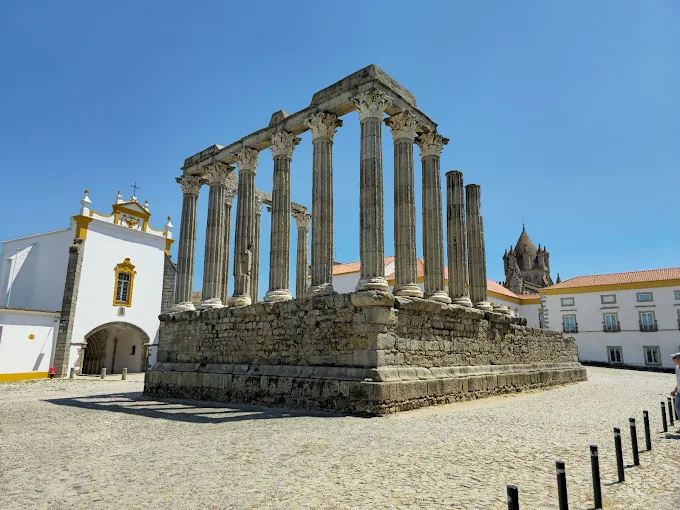
The Roman Temple stands as the most iconic landmark in the city of Évora. It was built during the 1st century AD in honor of Augustus, the first Roman emperor. Located in the Largo do Conde de Vila Flor, it remains one of the best-preserved Roman structures on the Iberian Peninsula.
Fourteen original Corinthian columns made of local granite still stand on a high podium. The base is constructed from massive blocks of stone that have resisted earthquakes and urban changes for nearly two millennia. Visitors can access the site for free as it is an open-air monument in the public square.
During the Middle Ages, the temple was incorporated into a fortress and later used as a slaughterhouse. This unusual usage helped protect the structure from being completely demolished for building materials. Today, the ruins serve as a primary example of Roman architecture in Portugal.
The best time to view the temple is during the early morning or late afternoon for optimal lighting. Nightly illumination also provides a clear view of the architectural details after sunset. The surrounding plaza offers several benches for resting while observing the ruins.
The Évora Cathedral (Sé de Évora)
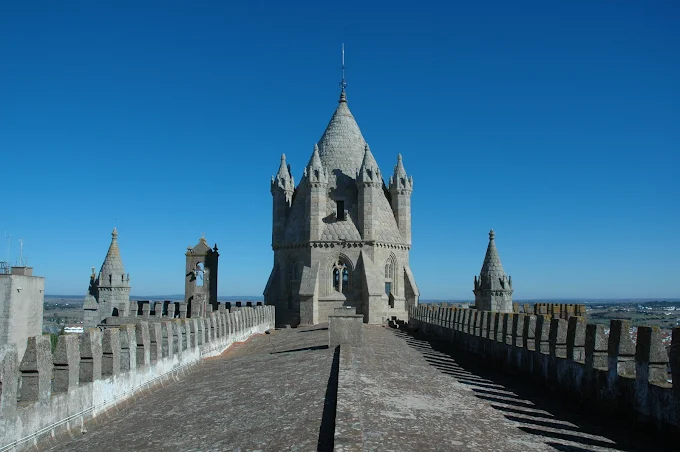
The Cathedral of Évora is the largest medieval cathedral in Portugal. It was constructed between 1186 and 1250 using a mix of Romanesque and Gothic styles. The building resembles a fortress with two massive asymmetrical towers guarding the entrance.
Visitors can purchase a ticket that includes access to the cathedral floor, the cloisters, and the roof. A standard adult ticket for all areas costs approximately €5.50. The roof offers a 360-degree panoramic view of the Alentejo plains and the city’s red-tiled roofs.
The Gothic cloisters feature elegant arches and statues of the Apostles dating back to the 14th century. Inside the cathedral, the high altar is made of rare colored marble from the nearby Estremoz region. The pipe organ is one of the oldest functioning instruments of its kind in Europe.
High-heeled shoes are not recommended for this visit due to the steep, narrow stone stairs leading to the roof. Handrails are provided, but the climb requires moderate physical effort. The cathedral is open daily, typically from 9:00 AM to 5:30 PM, with a brief closure during lunch.
The Chapel of Bones (Capela dos Ossos)
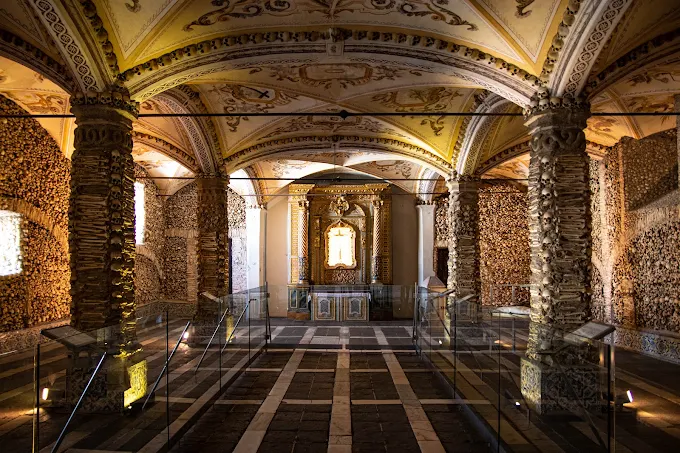
The Chapel of Bones is located inside the Church of Saint Francis. Franciscan monks built this small chapel in the 17th century to address the problem of overcrowded cemeteries. They moved the remains of approximately 5,000 people from local churchyards to this site.
The walls and supporting pillars are covered in thousands of human skulls and bones. The monks used the remains to create symmetrical patterns and architectural decorations. A famous inscription above the entrance reads, “We bones that are here, for yours we wait.”
The lighting inside the chapel is intentionally dim to maintain a somber atmosphere. Two desiccated corpses, including one of a child, used to hang from the walls but are now kept in glass cases. This site is intended as a place for meditation on the temporary nature of human life.
Adult tickets for the Chapel of Bones cost €6 and include access to the museum and the nativity scene collection. The chapel is open from 9:00 AM to 6:30 PM during the summer months. It is located just a five-minute walk from the central Praça do Giraldo.
The Church of Saint Francis (Igreja de São Francisco)
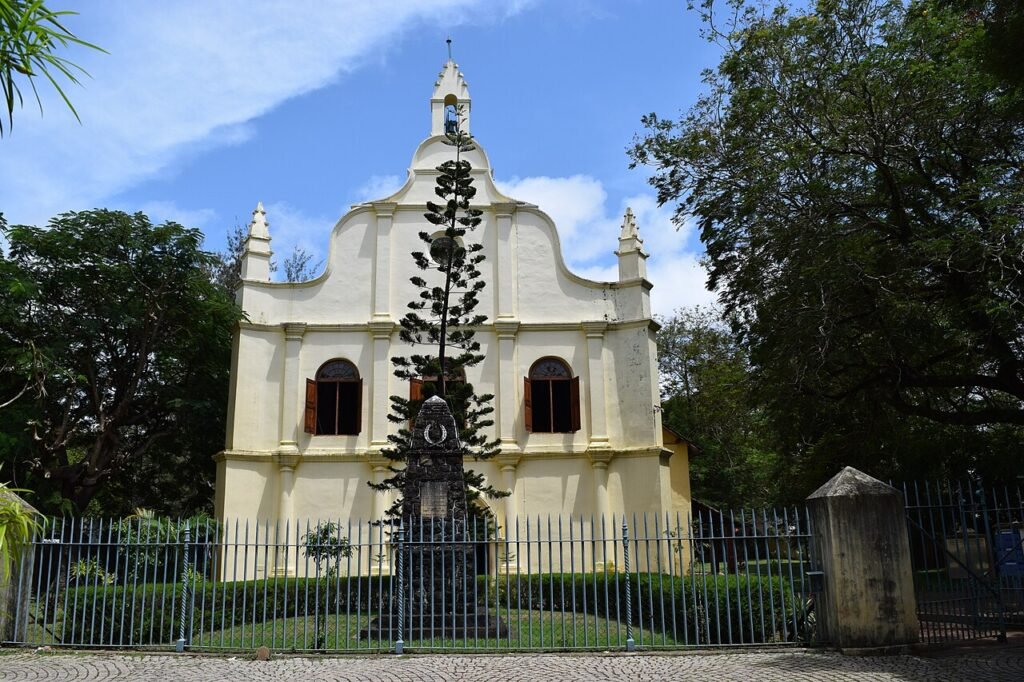
The Church of Saint Francis is a massive building featuring a mix of Gothic and Manueline architectural styles. It was completed around 1510 and served as a royal chapel for the Portuguese monarchy. The entrance features symbols like the armillary sphere, which represents the Portuguese Age of Discovery.
The interior consists of a single wide nave, which was a significant engineering feat for the 16th century. There are several side chapels decorated with golden woodwork and traditional blue-and-white tiles. The church is free to enter, though there is a fee for the attached bone chapel and museum.
The main altar is a masterpiece of Baroque wood carving. Sunlight enters through high windows, illuminating the intricate stone carvings on the ceiling. Visitors should dress respectfully when entering the sanctuary as it remains an active place of worship.
The church sits next to a small public park called Jardim Público de Évora. This park contains the Ruins of the Royal Palace and several resident peacocks. It is an excellent spot for a quiet break between visiting the major historical monuments.
Praça do Giraldo: The Heart of the City
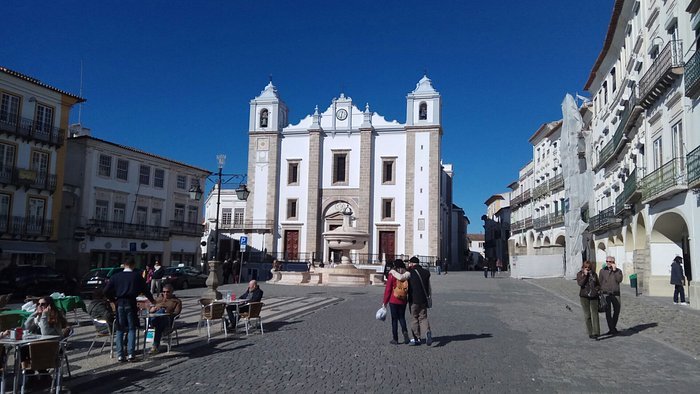
Praça do Giraldo serves as the central meeting point and main square of Évora. It was named after Giraldo the Fearless, who conquered the city from the Moors in 1165. The square is lined with buildings featuring Gothic arches and elegant wrought-iron balconies.
A large Renaissance fountain made of white marble sits at the northern end of the plaza. This fountain, built in 1570, has eight sprouts representing the eight streets that lead into the square. Directly behind the fountain stands the Church of Santo Antão, which dates back to the 16th century.
The square is paved with traditional Portuguese pavement (calçada) in geometric patterns. Many cafes and shops occupy the ground floors of the surrounding buildings. This area is the primary location for finding local handicrafts, such as cork products and hand-painted pottery.
Tourists can find the main tourism office on the eastern side of the square. It provides physical maps and updated schedules for local events or regional bus routes. The square remains active from early morning until late at night, making it a safe and central landmark.
The Aqueduct of Silver Water (Aqueduto da Água de Prata)
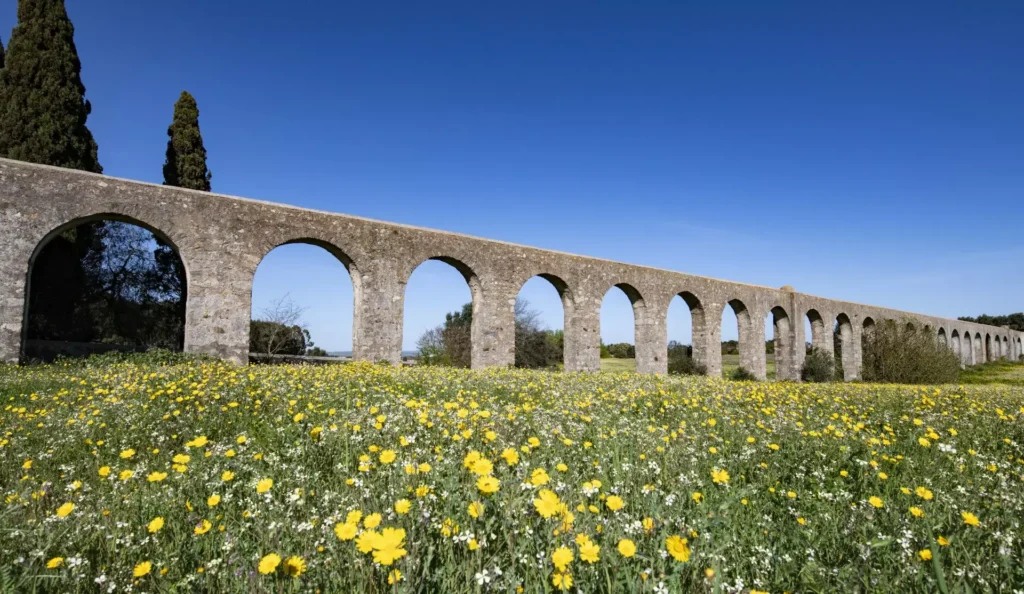
The Aqueduct of Silver Water is a massive engineering project completed in 1537. It was designed by the royal architect Francisco de Arruda, who also designed the Belém Tower in Lisbon. The structure spans 18 kilometers to bring fresh water from Divor to the city center.
The most interesting section of the aqueduct is found along Rua do Cano. Here, local residents built houses, shops, and cafes directly into the granite arches of the structure. This unique architectural integration is a rare sight and a popular subject for photography.
Visitors can follow a marked hiking trail that runs alongside the aqueduct outside the city walls. The trail provides views of the Alentejo countryside, including cork oak trees and olive groves. The path is mostly flat and suitable for walkers of all fitness levels.
Inside the city walls, the arches reach heights of nearly 30 meters. Information plaques are placed at key intervals to explain the historical maintenance of the water system. There is no cost to view or walk alongside any part of this monument.
Alentejo Cuisine: Authentic Flavors of Évora
Food in the Alentejo region is known for its simplicity and use of high-quality local ingredients. Bread, olive oil, and garlic form the foundation of most traditional dishes in Évora. Many recipes originated from rural traditions where nothing was allowed to go to waste.
One of the most famous dishes is Açorda, a bread-based soup flavored with plenty of cilantro and garlic. It is often served with a poached egg or a piece of codfish on top. This dish represents the soul of Alentejo cooking and is found on nearly every local menu.
Meat lovers should look for Porco Preto, which is pork from the native Iberian black pig. These pigs roam freely in the cork oak forests and eat acorns, giving the meat a rich and nutty flavor. Another regional specialty is Ensopado de Borrego, a hearty lamb stew served over slices of crusty bread.
Local cheeses from Évora are typically made from sheep or goat milk. These cheeses range from soft and buttery to hard and spicy depending on the aging process. Many restaurants offer a plate of regional cheese and olives as an appetizer before the main meal.
Recommended Dining Spots and Markets
The streets surrounding Praça do Giraldo contain various dining options for different budgets. Rua de Burgos is a popular narrow street filled with small, family-run taverns. These spots often provide fixed-price lunch menus that include a main dish, drink, and coffee for €12 to €15.
For a formal experience, restaurants near the Roman Temple offer outdoor seating with historic views. Prices in these areas are slightly higher due to the location, but the food remains traditional. Booking a table in advance is recommended for weekend lunches as these spots fill up quickly with locals.
The Municipal Market (Mercado Municipal) is located near the Church of Saint Francis. It is open Tuesday through Sunday, primarily in the morning hours. This is the best place to buy local honey, dried herbs, and artisanal sausages to take home as edible souvenirs.
Pastry shops in Évora are famous for Queijadas de Évora, which are small sweet tarts made with cheese. Another must-try is the Pão de Rala, a rich almond and egg dessert. Most bakeries sell these individual treats for around €1.50 to €2.50 each.
The University of Évora (Colégio do Espírito Santo)
The University of Évora is the second oldest university in Portugal, founded in 1559 by Cardinal Dom Henrique. It originally served as a Jesuit College before being closed for two centuries and eventually reopening in 1973. The main building features a beautiful Italian Renaissance cloister with two levels of elegant arches.
The classrooms are famous for their 18th-century blue-and-white tile panels (azulejos). These tiles represent the specific subjects taught in each room, such as physics, mathematics, or philosophy. Visitors can enter the university building for a small fee of approximately €3 to view the cloisters and the historic library.
The university is located on the eastern side of the city, near the city walls. It remains an active educational institution, so visitors should be mindful of students attending classes. The Great Hall is particularly impressive, featuring a decorated wooden ceiling and portraits of former university rectors.
The surrounding area is filled with narrow cobblestone streets that lead back toward the cathedral. Small student-led cafes are common in this neighborhood, offering affordable snacks and drinks. This section of the city provides a quieter atmosphere compared to the main tourist squares.
Practical Tips for Your Évora Visit
Comfortable footwear is essential for a day trip to Évora because the city is filled with uneven cobblestones. Many of the historical sites are located on hills, requiring a fair amount of walking throughout the day. It is best to wear sneakers or sturdy walking shoes rather than sandals or heels.
Summers in the Alentejo region are extremely hot, with temperatures often exceeding 35°C (95°F). Travelers should carry a reusable water bottle and use the public fountains found in many plazas. Visiting during the spring (April to June) or autumn (September to October) offers much milder and more pleasant weather.
Most shops and some smaller monuments close for a lunch break between 12:30 PM and 2:30 PM. Plan to visit the major museums or the Chapel of Bones in the morning or late afternoon to avoid these closures. Public restrooms are available in the Municipal Market and near the tourism office in Praça do Giraldo.
Free Wi-Fi is available in many public squares, but signal strength can vary. It is helpful to download an offline map of Évora before leaving Lisbon to navigate the winding medieval streets. Local pharmacies are clearly marked with a green cross and are usually open during standard business hours.
Recommended One-Day Évora Itinerary
A successful day trip begins with an early departure from Lisbon to arrive in Évora by 10:00 AM. Start the morning at the Church of Saint Francis and the Chapel of Bones before the largest tour groups arrive. This allows for a quiet experience in the chapel and plenty of time to explore the adjacent Municipal Market.
From the church, walk north through the public gardens toward Praça do Giraldo for a mid-morning coffee. Continue uphill to the Roman Temple and the Évora Cathedral, which are located at the highest point of the city. After touring the cathedral roof, enjoy a traditional Alentejo lunch at a nearby tavern to rest before the afternoon heat.
Spend the afternoon visiting the University of Évora or walking along the historic Aqueduct of Silver Water. The late afternoon light is perfect for photographing the narrow streets and whitewashed houses of the Jewish Quarter. Aim to catch a return bus or train around 6:00 PM to arrive back in Lisbon for dinner.
Conclusion and Final Travel Advice
Évora is a destination that rewards those who pay attention to small historical details. The city serves as a living museum where Roman, Moorish, and Medieval influences exist side by side. It provides a significant contrast to the coastal atmosphere of Lisbon and offers a deeper understanding of inland Portuguese culture.
Always verify the latest train and bus schedules on the official CP or Rede Expressos websites before departing. While English is widely spoken in tourist areas, learning basic Portuguese greetings is appreciated by local shopkeepers and waitstaff. Ensure mobile devices are fully charged to utilize GPS while navigating the maze-like historic center.
Planning a trip to this UNESCO site is a highlight for any traveler visiting Portugal. The combination of ancient ruins, unique religious sites, and world-class regional food makes it a top-tier destination. This guide ensures a structured and factual approach to exploring everything the “Museum City” has to offer.