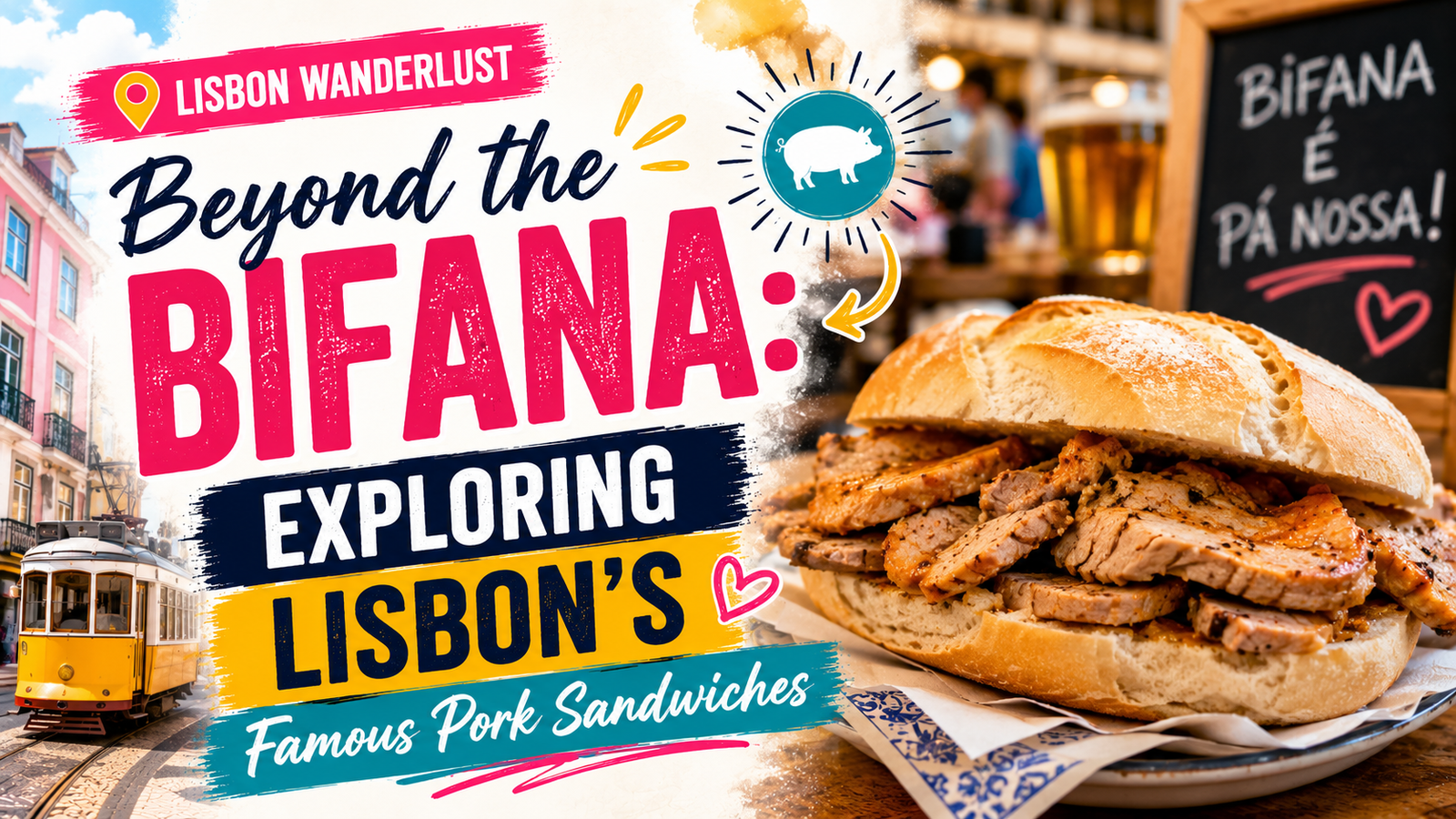
Beyond the Bifana: Exploring Lisbon’s Famous Pork Sandwiches
The Bifana stands as the quintessential quick meal within the culinary landscape of Lisbon. This sandwich consists of thin pork slices simmered in a complex sauce of garlic, lard, and white wine served on a crusty roll. It represents a vital component of the city’s tasca culture, offering an affordable and efficient dining option for residents and visitors alike.
Authentic Lisbon-style preparation focuses on the slow infusion of flavors within a communal stainless steel pot. The meat is typically sourced from the pork loin or leg to ensure a balance of lean protein and essential fat. Constant simmering allows the liquid to reduce into a concentrated jus that saturates the bread upon assembly.
The vessel for this meat, known as the papo-seco, is a traditional Portuguese wheat roll characterized by a hard exterior and airy interior. This specific structural integrity is necessary to prevent the bread from disintegrating when dipped into the hot cooking liquid. A high-quality roll ensures that the garlic-heavy juices are retained within the crumb rather than lost to the plate.
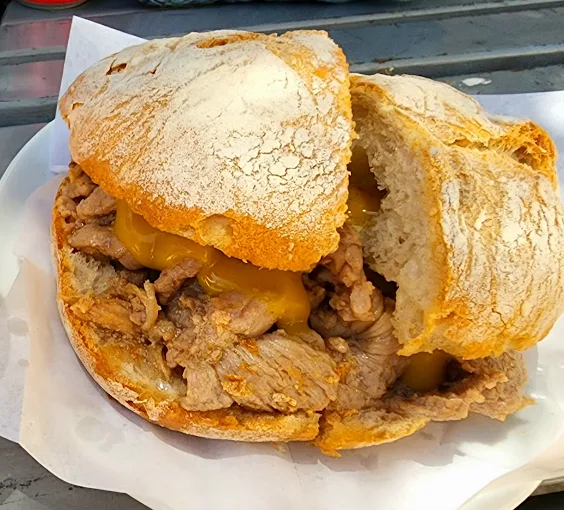
Regional variations exist across the country, but the Lisbon version remains distinct for its simplicity and lack of heavy garnishes. While northern iterations in Porto may include a spicier, tomato-based broth, Lisbon focuses strictly on the acidity of the wine and the pungency of the garlic. This objective focus on core ingredients highlights the quality of the local pork and the precision of the marinade.
Standard pricing for a Bifana in central Lisbon typically ranges between €2.50 and €4.50 depending on the establishment’s location. Most traditional taverns maintain a “balcão” or counter service where prices are slightly lower than seated table service. Understanding this tiered pricing structure is essential for those seeking the most authentic and economical experience in the city.
Quick Picks: Lisbon’s Pork Sandwich Guide
The Gold Standard (Bifana):
As Bifanas do Afonso (Baixa). Stand-up counter, garlic-heavy, high-volume efficiency.
The Beef Alternative (Prego):
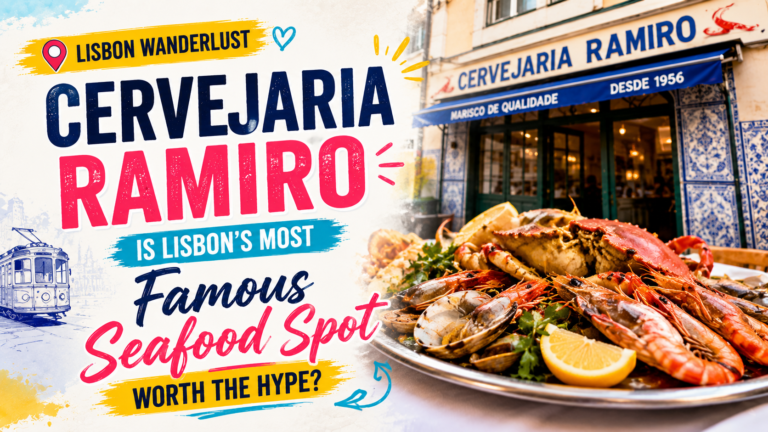
Cervejaria Ramiro (Intendente). High-grade steak sandwich traditionally served as a meal closer.
Average Cost (2026):
€2.50 – €4.50 per sandwich. Expect a small surcharge for seated table service.
Essential Condiments:
Yellow mustard and piri-piri oil. Traditional tascas do not serve lettuce or tomato.
Travel Tip: Always carry cash. Small tascas frequently have a “Cash Only” policy for transactions under €5.00.
The Culinary Technicalities: Ingredients and Preparation
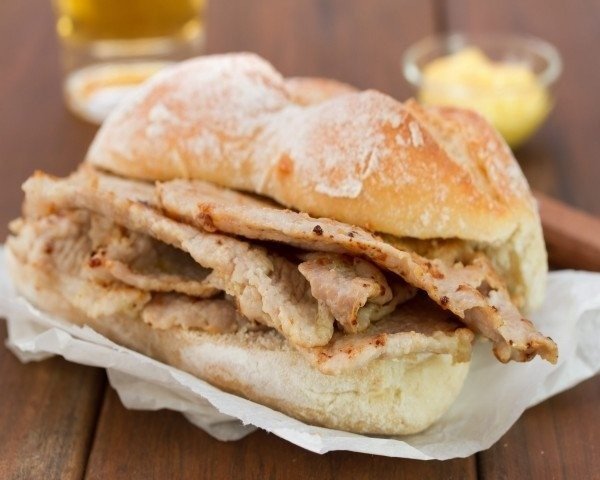
The preparation of a superior Bifana begins with the precise selection and mechanical slicing of the pork meat. Chefs typically utilize a specialized meat slicer to achieve paper-thin rounds that cook rapidly and absorb the marinade efficiently. This thinness ensures the meat remains tender and avoids the toughness often associated with thicker, pan-fried pork cuts.
The marinade is a technical emulsion of dry white wine, fermented pepper paste, and significant quantities of smashed garlic. Lard is traditionally used as the primary fat source because it provides a richer mouthfeel and higher smoke point than standard vegetable oils. Bay leaves and high-quality paprika, or pimentão doce, are added to the simmering liquid to provide a subtle earthiness and a characteristic deep orange hue.
The cooking process involves a continuous simmer where the pork is never truly fried but rather poached in the aromatic fat and wine. As the liquid evaporates throughout the day, more wine and lard are added to maintain the volume and flavor concentration of the stock. This “mother sauce” approach ensures that sandwiches served later in the evening often possess a more complex flavor profile than those served at opening.
The papo-seco roll must meet specific standards of freshness to be considered acceptable for a professional travel guide resource. It is briefly toasted or pressed only if the bread is not used immediately after its morning delivery from a local bakery. The internal crumb must be soft enough to act as a sponge for the garlic jus while the outer crust remains resilient.
The assembly of the sandwich is a rapid process designed for high-volume urban environments. A fork is used to transfer the dripping pork slices directly from the pot to the sliced roll, often followed by an extra spoonful of the cooking liquid. This method ensures the bread is sufficiently moistened without becoming structurally unsound for the consumer.
Top-Tier Destinations: An Objective Analysis
O Trevo, located in Praça Luís de Camões, remains one of the most statistically significant locations for Bifana consumption in Lisbon. This establishment gained international recognition for its traditional approach, which emphasizes a heavy garlic profile and minimal intervention. Visitors can access this site via the Green or Blue Metro lines at the Baixa-Chiado station, followed by a short walk uphill.
As Bifanas do Afonso, situated in the Rua da Madalena, operates as a high-volume, standing-room-only facility. The efficiency of service here is designed for the local workforce, with sandwiches often prepared in under sixty seconds. Because of its narrow footprint and popularity, queues often extend onto the sidewalk during the 1:00 PM lunch peak.
Parreirinha do Chile offers a more neighborhood-centric perspective within the Arroios district. This venue is noted for a slightly thicker sauce and a higher ratio of wine in the simmering process. It provides a useful data point for travelers wishing to compare the central tourist-heavy versions with those preferred in residential zones.
Financial transactions at these traditional tascas are predominantly conducted in cash, particularly for small totals under five euros. While some modern establishments have integrated Multibanco terminals, a “cash-only” policy for small snacks is a frequent operational standard. Travelers should verify the payment icons displayed at the entrance to avoid logistical delays at the counter.
Navigating the etiquette of these shops requires an understanding of the “balcão” system. Standing at the counter is the standard method for a quick meal and usually results in a faster transaction. If a patron chooses to sit at a table, they should expect a small service surcharge and a slightly longer wait for staff attention.
Variations: Prego and Beyond
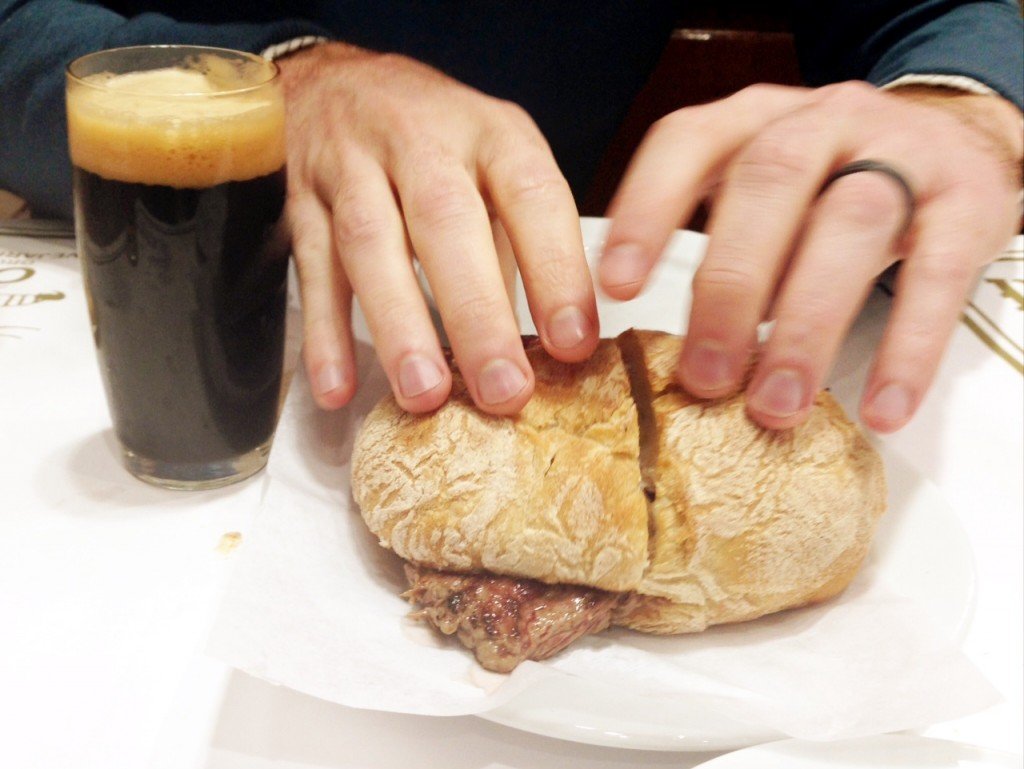
The Prego serves as the bovine alternative to the Bifana and is equally integrated into the Lisbon diet. This sandwich utilizes a thin beef steak that is heavily tenderized and seasoned with significant amounts of raw garlic. Unlike the simmered pork of the Bifana, the Prego is typically seared on a flat-top grill at high temperatures.
A unique cultural tradition in Lisbon involves consuming a Prego as a “dessert” following a heavy seafood meal. Renowned establishments like Cervejaria Ramiro promote this practice to ensure diners conclude their meal with a dense, savory protein. This transition from shellfish to steak is a documented culinary habit that distinguishes Portuguese dining from other Mediterranean styles.
The preparation of the Prego meat focuses on the “pregar” method, where garlic cloves are literally hammered into the flesh. This technique ensures the flavor is embedded within the muscle fibers during the brief searing process. The bread used is often the same papo-seco, though some venues offer do caco—a sweet potato bread from Madeira—as a premium substitute.
Objective comparison shows that the Prego typically carries a higher price point than the Bifana due to the cost of beef. While a Bifana may cost three euros, a high-quality Prego can range from five to eight euros depending on the grade of the steak. Both sandwiches, however, fulfill the same role as high-protein, functional street food for the urban population.
Condiment application for the Prego mirrors that of the pork version, favoring mustard or spicy oil. It is rare to find these sandwiches served with lettuce, tomato, or cheese in a traditional setting. Maintaining this lack of garnish preserves the integrity of the garlic-and-meat flavor profile that defines the dish.
Logistics and Practical Troubleshooting
Standard operating hours for Lisbon’s central tascas typically extend from 10:00 AM until midnight or later. These establishments do not follow the mid-afternoon closure patterns common in formal Portuguese restaurants, making them reliable options for off-peak dining. Patrons should note that Sunday closures are frequent in residential neighborhoods, though venues in Baixa and Chiado generally remain open.
Identifying an authentic establishment requires observing the visual cues of the “mother sauce” pot located near the window. A high turnover rate is indicated by a large stack of papo-seco rolls and a constantly bubbling reservoir of pork. If the meat appears dry or is being cooked to order on a flat grill, it does not conform to the traditional Lisbon Bifana standard.
Ordering protocols are streamlined to accommodate the high density of commuters and laborers using these spaces. A visitor should approach the counter and state the quantity followed by “uma imperial” if a small draught beer is desired as an accompaniment. This specific combination is the most common order and facilitates a quick transaction during the busy lunch hour.
The application of condiments is a critical final step that is left to the discretion of the consumer. Standard yellow mustard and house-made piri-piri oil are always provided in plastic dispensers on the counter or table. Factual observation suggests that a few drops of piri-piri are sufficient, as these oils are often infused with high-heat bird’s eye chilies.
Public restrooms in these smaller taverns are often restricted to paying customers and may be located in basement levels accessible by narrow stairs. Hand sanitizer or wet wipes are practical additions to a traveler’s kit, as eating a Bifana is inherently tactile and often messy. Proper disposal of paper napkins in the provided counter bins is the expected etiquette after finishing the meal.
Comparative Analysis of Lisbon Eateries
The following data provides a technical comparison of prominent establishments based on 2026 market observations. Prices are subject to minor fluctuations based on seasonal supply costs but remain the most accurate estimates available.
Neighborhood selection significantly impacts the overall cost and atmosphere of the dining experience. Central hubs like Rossio and Chiado command higher prices due to commercial rent and high foot traffic volumes. Conversely, exploring districts like Arroios or Penha de França yields a more local pricing structure and a quieter environment.
Style variations cater to different preferences regarding moisture content and spice levels. Some venues prioritize a “dry” sandwich where the bread remains crisp, while others submerged the roll entirely in the pot. Technical descriptions in the table above assist travelers in selecting a venue that aligns with their specific culinary requirements.
Seating availability remains a primary logistical constraint for groups or travelers with mobility concerns. Establishments like Afonso are optimized for individuals who can stand while consuming their meal quickly. Larger venues like Beira Gare provide more infrastructure but often experience significant noise levels and crowding during peak hours.
Final selection should be based on the proximity to planned transit routes and the desired meat type. While the Bifana remains the budget-friendly staple, the Prego at Ramiro offers a higher-end experience for those concluding a formal dinner. Both options provide an essential gateway into the functional food history of the Portuguese capital.
Historical Evolution and Cultural Context
The origins of the Bifana are frequently traced back to the town of Vendas Novas in the Alentejo region. Over several decades, the recipe migrated to the capital, where it was adapted to suit the rapid pace of Lisbon’s urban development. This transition transformed the sandwich from a regional specialty into a standardized fuel for the city’s blue-collar workforce and commuting students.
The cultural significance of the pork sandwich is most visible during the Santos Populares festivals held every June. During these celebrations, temporary stalls are erected across the Alfama and Mouraria districts to serve thousands of Bifanas to festival-goers. This seasonal surge in consumption reinforces the sandwich’s status as the primary social lubricant of Lisbon’s street-level festivities.
Economic factors have played a major role in maintaining the Bifana’s ubiquity throughout various financial cycles. Because it utilizes affordable cuts of pork and basic pantry staples, it remains one of the few hot meals accessible to all socioeconomic brackets. This price stability ensures that the tasca remains a democratic space where diverse groups of people congregate for the same culinary purpose.
The evolution of the Bifana also reflects broader changes in Portuguese agricultural and trade history. The heavy use of garlic and paprika points to the historical spice routes and the country’s long-standing relationship with Mediterranean aromatics. Contemporary versions maintain these traditional flavors while incorporating modern food safety and standardized production methods to meet European health regulations.
As Lisbon continues to evolve into a global tourism hub, the Bifana serves as a resilient symbol of local identity. While international food chains have expanded throughout the city, the independent tasca continues to thrive by offering a product that cannot be easily mechanized. This endurance highlights a consumer preference for historical authenticity and the specific technical skills of the local grill chefs.
Technical Comparison: The Porto vs. Lisbon Style
A detailed analysis of the Portuguese pork sandwich requires an objective comparison between the Lisbon and Porto methodologies. The Porto version, often referred to as Bifana à Moda do Porto, is characterized by small, shredded bits of meat rather than whole slices. These meat fragments are submerged in a spicy, beer-based sauce that typically includes tomato and piri-piri.
In contrast, the Lisbon style prioritizes the integrity of the individual pork slice and the clarity of the wine-based broth. The absence of tomato in the Lisbon recipe results in a cleaner, more acidic flavor profile that emphasizes the quality of the garlic. This distinction is vital for travelers who may find the Northern version significantly more piquant and sauce-heavy.
The bread application also differs between these two major urban centers. In Porto, the roll is often doused in the spicy sauce until it becomes soft and saturated, requiring the use of a fork and knife. Lisbon’s version is designed for hand-held consumption, with the crusty papo-seco maintaining its structural form even after a brief dip in the pot.
Logistically, the Porto style is more commonly found in the northern regions of the country and is rare in authentic Lisbon taverns. Some modern establishments in the capital may offer “Porto-style” sandwiches, but these are often marketed specifically to domestic tourists from the north. Understanding these regional boundaries helps travelers manage their expectations regarding spice levels and serving methods.
Ultimately, the choice between regional styles is a matter of technical preference regarding heat and texture. The Lisbon style offers a more subtle exploration of fermented wine and lard, whereas the Porto style provides a robust, spicy experience. Both versions represent a significant branch of Portuguese gastronomy that warrants independent study by culinary enthusiasts.
Conclusion: Navigating Lisbon’s Pork Sandwich Heritage
The Bifana and Prego remain the most functional and culturally significant sandwiches within the Lisbon metropolitan area. These items provide an essential look into the city’s commitment to high-quality, affordable ingredients and traditional cooking methods. By prioritizing objective logistics and technical preparation details, travelers can navigate the local tasca scene with the precision of a long-term resident.
The information provided in this guide serves as a framework for exploring the diverse range of taverns and specialized shops across the city. Whether selecting the garlic-heavy profile of O Trevo or the beef-based richness of a Prego at Ramiro, the focus remains on the intersection of history and flavor. Maintaining an awareness of pricing, etiquette, and regional styles ensures a seamless integration into the daily rhythm of Lisbon’s culinary life.
As the city’s gastronomic landscape continues to modernize, these pork and beef staples offer a reliable anchor to the past. They represent a democratic food culture where quality is measured by the depth of the “mother sauce” and the freshness of the papo-seco. For the informed visitor, mastering the nuances of the Lisbon pork sandwich is a mandatory step in understanding the true character of the Portuguese capital.