
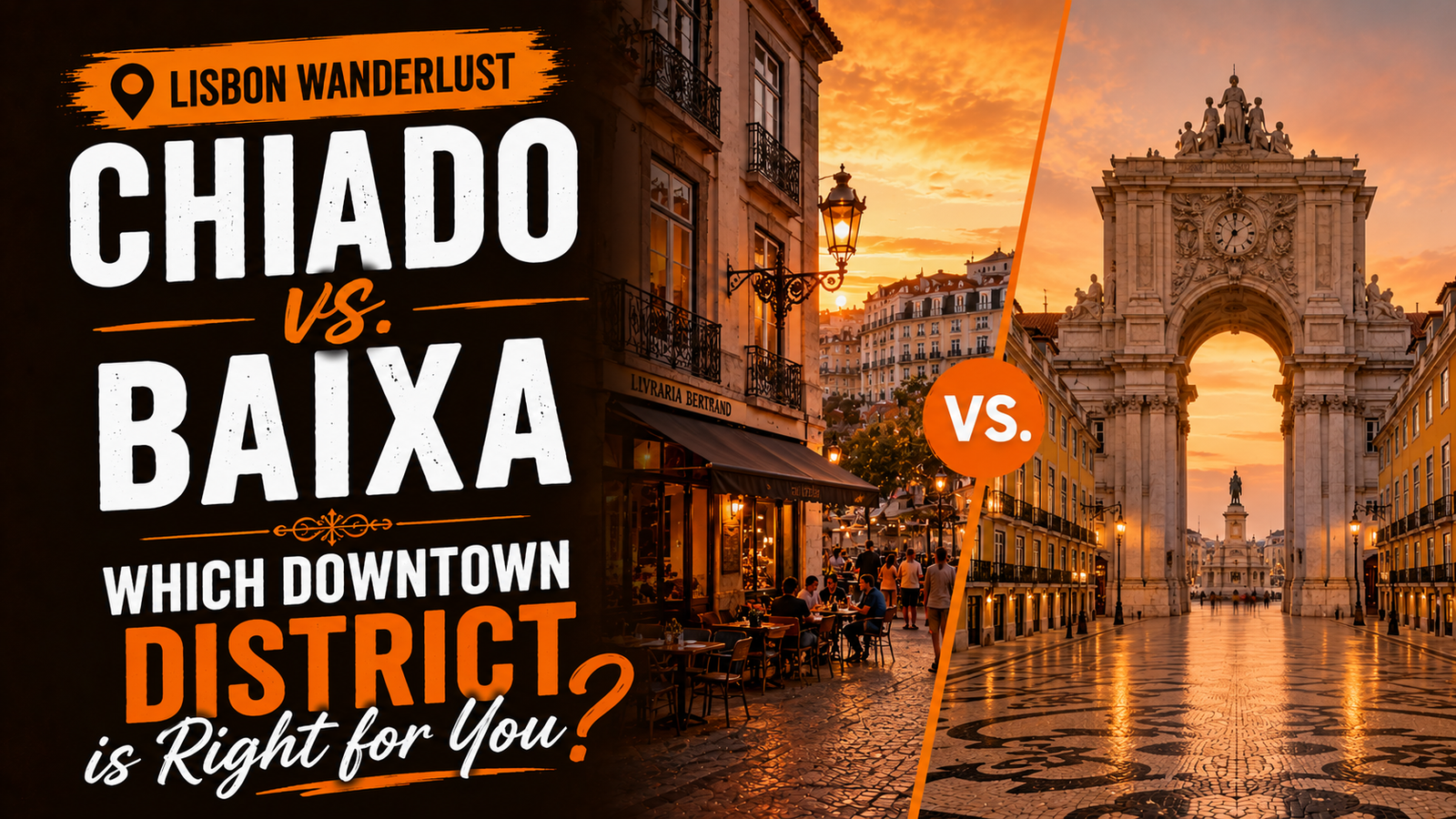
Chiado vs. Baixa: Which Downtown District is Right for You?
Choosing between Baixa and Chiado determines the fundamental rhythm of a Lisbon itinerary. While these two districts sit side-by-side, they offer contrasting architectural styles and logistical advantages. Baixa provides a flat, grid-like layout, while Chiado offers a sophisticated, hilltop atmosphere.
For travelers prioritizing accessibility and proximity to transit hubs, Baixa is the practical choice. Those seeking a historic, literary environment with upscale dining typically gravitate toward Chiado. The following guide breaks down the specific data points required to choose the correct base.
Baixa: The Neoclassical Heart of Lisbon
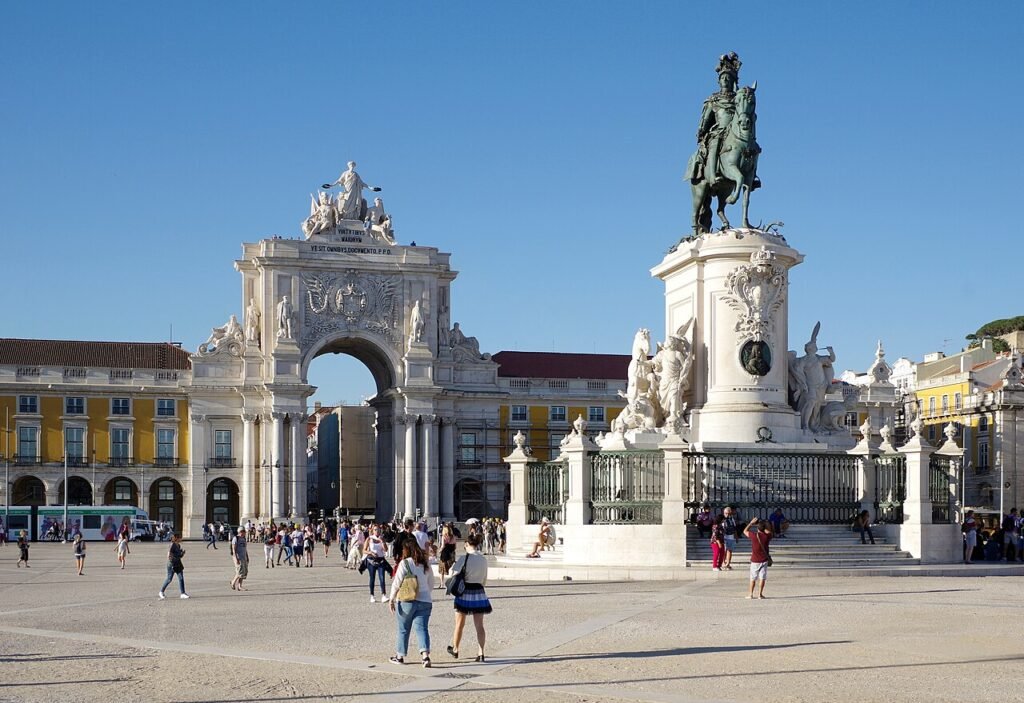
Baixa is the product of the massive reconstruction efforts following the 1755 earthquake. Marquês de Pombal designed this area with a strict, enlightened grid system to withstand future tremors. As a result, it is the most organized and easily navigable neighborhood in the historical center.
The district stretches from the riverfront Praça do Comércio up to the bustling Rossio Square. Walking is efficient here because the streets lack the punishing inclines found elsewhere. This makes Baixa the primary recommendation for travelers with heavy luggage or mobility concerns.
Logistically, Baixa serves as the city’s central transit node. Rossio Station provides the direct rail link to Sintra, a high-priority day trip for most visitors. The area is also served by the Blue and Green Metro lines via the Restauradores and Rossio stops.
Chiado: The Sophisticated Hillside
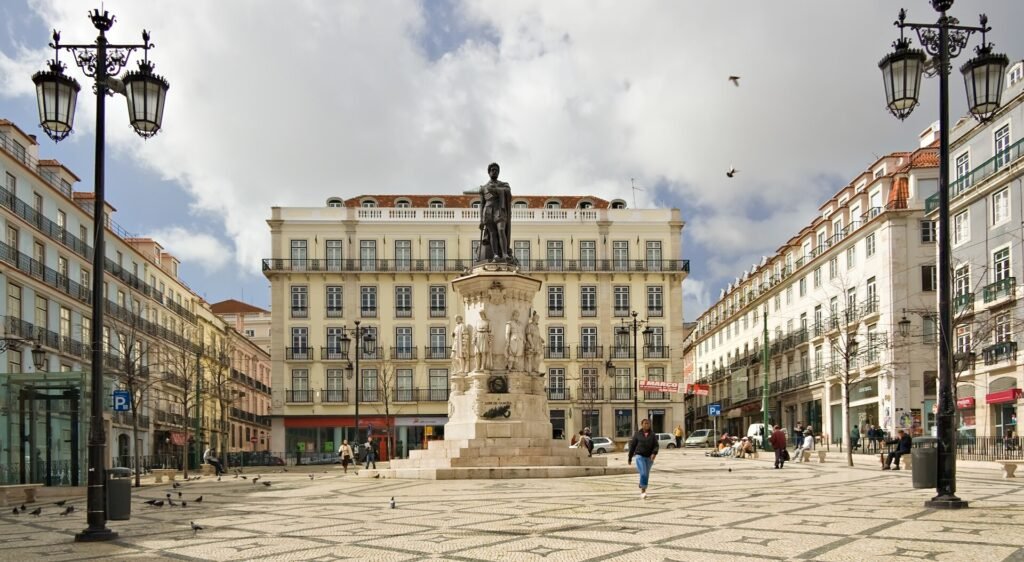
Chiado represents the intellectual and artistic soul of Lisbon, characterized by grand theaters and old bookstores. It sits on a steep hill directly to the west of Baixa, overlooking the lower town. The district was meticulously restored by architect Álvaro Siza Vieira after a significant fire in 1988.
Life in Chiado centers around Largo do Chiado and the famous Rua Garrett shopping street. It feels more intimate and “local” than the wide-open plazas of Baixa, despite its popularity. The atmosphere is defined by historic cafés where Portugal’s 20th-century writers once gathered.
Travelers should note that Chiado requires significant uphill walking from the riverfront. To bypass the climb, one can use the series of escalators inside the Baixa-Chiado Metro station. This provides a free, indoor transit route between the two districts for those on foot.
Accommodation Analysis: Where to Sleep
Baixa hotels often occupy converted 18th-century buildings with high ceilings and grand windows. Standard 4-star rates in 2026 typically range from €180 to €280 per night, depending on the season. Proximity to the Rua Augusta pedestrian street ensures easy access to shops and pharmacies.
Chiado accommodation is generally more expensive, focusing on “boutique luxury” and “lifestyle” brands. Expect to pay between €250 and €450 per night for high-end suites in this district. Many hotels here offer rooftop terraces with direct views of the São Jorge Castle across the valley.
For noise management, Baixa stays can be loud due to the echo of the flat, stone-paved streets. Chiado rooms facing the internal plazas tend to be quieter than those on the main tram lines. Always verify if a hotel has double-glazed windows, as the 28 Tram operates late into the evening.
Culinary Landscape and Dining Logistics
Dining in Baixa requires careful navigation to avoid overpricing at “tourist menu” establishments. Avoid restaurants on Rua Augusta that display large photos of food on sidewalk boards. Instead, venture into the parallel streets like Rua dos Correeiros for a standard €12–€15 Prato do Dia.
Chiado offers a higher density of fine-dining options and Michelin-starred establishments. Reservations for popular spots like Belcanto or Alma should be made at least 3 to 4 weeks in advance. Casual dining in Chiado usually involves a 20% premium compared to local residential neighborhoods.
Coffee culture is a major draw for Chiado, specifically the historic Café A Brasileira. While a coffee at the counter costs roughly €1.50, sitting on the terrace can triple the price. Baixa’s Pastelaria Nacional offers a similarly historic experience with more traditional Portuguese pastries.
Essential Sightseeing and Practical Information
The Santa Justa Lift is the most famous landmark connecting Baixa to the higher ground of Chiado. Standard tickets cost approximately €5.30, but the ride is included in the 24-hour public transport pass. Wait times often exceed 45 minutes; walking up the nearby Rua do Carmo is significantly faster.
In Chiado, the Carmo Convent ruins serve as a permanent memorial to the 1755 earthquake. Entry for adults is roughly €5.00, and the site is open from 10:00 AM to 6:00 PM (or 7:00 PM in summer). The convent provides the best architectural contrast to the rebuilt structures in the valley below.
The Rua Augusta Arch in Baixa provides a 360-degree view of the Tagus River and the grid system. Admission is approximately €3.50, and it is accessible via a small elevator followed by a narrow staircase. This is a high-value alternative to the more crowded and expensive hotel rooftop bars.
Transport Connections and Neighborhood Mobility
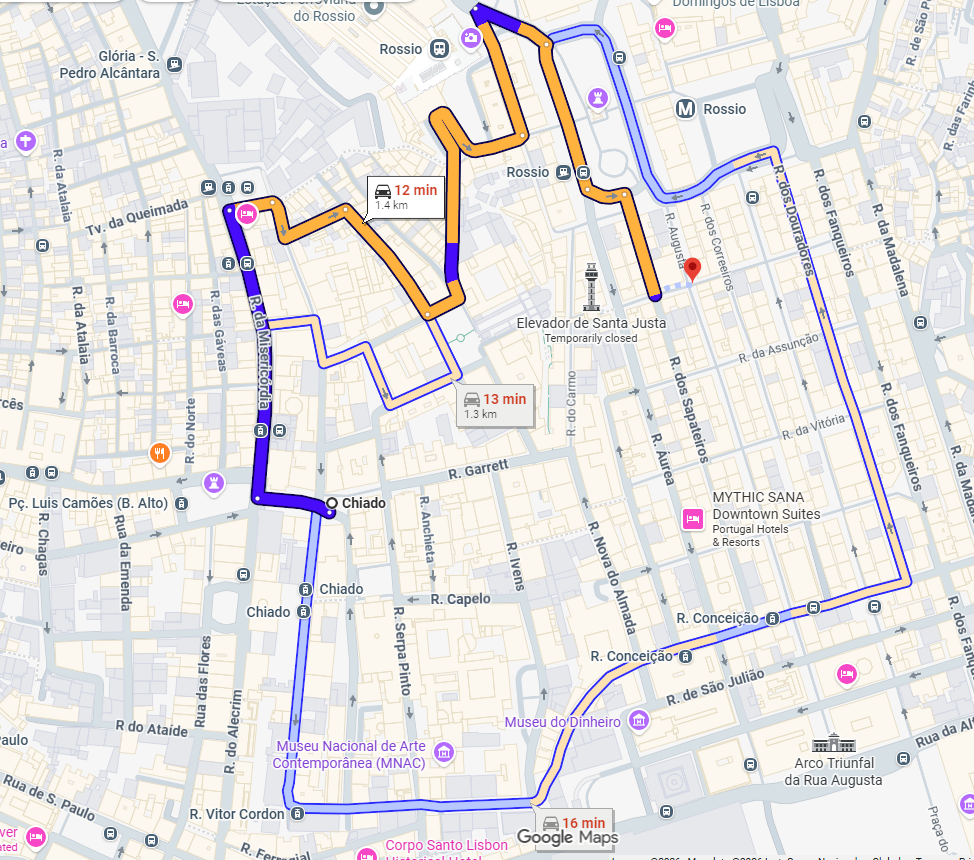
Baixa is the undisputed winner for transit connectivity and logistics. The 15E tram departs from Praça do Comércio, providing the most direct route to Belém. The flat terrain also makes Baixa the best district for utilizing ride-share services like Uber or Bolt.
Chiado is the gateway to the Bairro Alto nightlife district and the Principe Real neighborhood. The iconic yellow 28 Tram passes through the heart of Chiado, though it is frequently at capacity. Boarding at the Martim Moniz terminus (near Baixa) increases the likelihood of securing a seat.
Pedestrians should wear footwear with strong grip, regardless of the district chosen. The Calçada Portuguesa (Portuguese pavement) becomes extremely slippery when wet or worn down. In Chiado particularly, the steep marble stones require caution during the descent toward Baixa.
Final Decision Matrix
Stay in Baixa if:
- You have heavy luggage or plan to take many day trips by train from Rossio.
- You prefer a flat walking environment without steep staircases.
- You want to be within a 5-minute walk of the major bus and tram hubs.
Stay in Chiado if:
- You enjoy a sophisticated, “old-world” atmosphere with high-end shopping.
- You plan to spend evenings at the Opera or exploring Bairro Alto’s bars.
- You prefer boutique hotels with artistic character over large commercial chains.
Both districts are interconnected and can be explored together in a single four-hour walking tour. By understanding the logistical differences, travelers can ensure their base matches their physical needs. Lisbon’s downtown is best experienced by moving between the grand plazas of Baixa and the quiet corners of Chiado.
The Shopping Experience: Retail Contrast
Shopping in Baixa is characterized by large international brands and traditional hardware stores. Rua Augusta serves as the primary artery for global retailers like Zara, H&M, and various souvenir shops. The prices here are standardized, making it a predictable location for general retail needs and essentials.
Chiado offers a more curated and historic shopping experience that appeals to collectors. Rua Garrett is home to the world’s oldest bookstore, Livraria Bertrand, founded in 1732. Shoppers will also find high-end Portuguese porcelain at Vista Alegre and luxury fashion boutiques.
For those seeking local crafts, the side streets of Chiado harbor independent designer studios. Baixa, meanwhile, is better for finding functional items like cork products and traditional canned fish. The Conserveira de Lisboa in Baixa is a mandatory stop for authentic, artisanal tinned seafood.
Navigation: Mastering the Verticality
The transition between Baixa and Chiado is a vertical challenge for the unprepared visitor. The most direct walking route is via the Rua do Carmo, which features a steady uphill incline. Street performers often line this route, creating a lively but crowded pedestrian bottleneck.
Frequent travelers utilize the “Station Shortcut” to save time and physical energy. Enter the Baixa-Chiado Metro station at the Baixa level (Rua da Vitória). Take the series of four long escalators to emerge at the top of the hill in Chiado.
This maneuver is completely free and accessible without passing through the ticket barriers. It is the most efficient way to move between the districts during the heat of the day. Public elevators, such as the Elevador de Santa Justa, are better viewed as monuments than transport.
Morning and Evening Rhythms
Morning in Baixa begins with the sound of metal shutters rising and early commuters at Rossio. The district is at its most peaceful before 9:00 AM, ideal for photography at Praça do Comércio. The riverfront “Cais das Colunas” offers a serene spot to watch the sunrise over the Tagus.
Evening in Chiado is defined by the “Hora do Aperitivo” and the pre-theater rush. As the sun sets, the golden hour light hits the ruins of the Carmo Convent with precision. The atmosphere shifts from a shopping hub to a sophisticated social center by 8:00 PM.
Baixa tends to quiet down significantly after the shops close at 7:00 or 8:00 PM. While the main plazas remain lit, the side streets can feel somewhat deserted compared to Chiado. Chiado stays vibrant much later, serving as the bridge to the nightlife in nearby Bairro Alto.
Hidden Gems and Information Gain
In Baixa, seek out the Núcleo Arqueológico da Rua dos Correeiros for a free archaeological tour. Hidden beneath a bank, these ruins showcase Roman fish-salting tanks and Iron Age foundations. Reservations are required in advance as group sizes are strictly limited for preservation.
In Chiado, the Church of São Roque appears modest from the outside but contains immense wealth. The Chapel of St. John the Baptist was commissioned in Rome and reassembled in Lisbon. It is considered one of the most expensive chapels in the world, featuring lapis lazuli and gold.
For a quiet break, visit the Jardim do Recolhimento, hidden near the borders of these districts. It offers a rare green space with benches and views away from the heavy tourist traffic. Most visitors overlook these smaller pockets, sticking only to the primary landmarks and plazas.
Safety and Practical Troubleshooting
Both districts are generally safe but require high awareness regarding professional pickpockets. These individuals primarily target the 28 Tram and the crowded areas around the Santa Justa Lift. Keep bags in front of you and avoid hanging cameras loosely around your neck in these zones.
If you encounter a “scam” involving street vendors offering spices or sunglasses, ignore them. A firm “No, thank you” or simply continuing to walk is the most effective response. Police presence is high in Baixa and Chiado, specifically around the major transport hubs.
For medical needs, there are several “Farmácias” (pharmacies) located around Rossio Square. Portuguese pharmacists are highly trained and can provide advice for minor ailments in English. For emergencies, the Hospital de São José is the closest major facility to the downtown core.
Weather Considerations: The Limestone Factor
Lisbon’s white limestone pavement, known as Calçada, is beautiful but practically challenging. In the summer heat, the stones in the wide Baixa plazas reflect intense UV rays upward. Travelers should use high-SPF sunscreen and wear polarized sunglasses to manage the glare.
When it rains, the steep slopes of Chiado become notoriously slick and hazardous. The stones polished by millions of footsteps offer very little traction when wet. Prioritize rubber-soled shoes with deep treads if the forecast indicates even light showers.
Baixa offers more “covered” walking options under the neoclassical archways of the buildings. These porticos provide shade during heatwaves and shelter during the Atlantic rain squalls. Chiado is much more exposed, requiring an umbrella or waterproof jacket for comfortable exploration.
The Final Comparison: Fact-Check Summary
- Ease of Movement: Baixa is 100% flat; Chiado involves 20% to 35% inclines.
- Transit Hub: Baixa is the center for trains, trams, and metro; Chiado is metro-focused.
- Dining Style: Baixa is better for quick lunches; Chiado is the destination for long dinners.
- Historical Focus: Baixa is 18th-century Enlightenment; Chiado is 19th-century Romanticism.
- Crowd Density: Baixa has high tourist volume; Chiado has a mix of locals and tourists.
Whether one chooses the structured grid of Baixa or the artistic hills of Chiado, both are essential. A stay in Baixa provides the most efficient logistics for a first-time visitor to the city. A stay in Chiado provides the most atmospheric and culturally rich experience for the seasoned traveler.
Cultural Institutions and Intellectual Heritage
Chiado is home to the National Museum of Contemporary Art, also known as the Museu do Chiado. The museum houses a premier collection of Portuguese art spanning from 1850 to the present day. Entry fees are approximately €5.00, and it is generally closed on Mondays.
The São Carlos National Theater in Chiado is the only opera house in Portugal. Inspired by La Scala in Milan, it offers a neoclassical facade and a lavish interior. Visitors can often attend free open-air concerts in the theater’s square during summer months.
In Baixa, the Design and Fashion Museum (MUDE) serves as a major cultural anchor on Rua Augusta. It explores the evolution of 20th and 21st-century design within an industrial-style setting. Check the official MUDE website for temporary exhibition schedules and specific 2026 reopening hours.
Exploring the Riverfront: The Baixa Connection
The Praça do Comércio in Baixa serves as the majestic gateway to the city from the Tagus River. Known locally as Terreiro do Paço, it was once the site of the Royal Ribeira Palace. The symmetrical yellow buildings now house government offices, the Lisbon Story Centre, and the ViniPortugal tasting room.
For a specialized experience, visit the ViniPortugal tasting room to sample regional Portuguese wines. Prices for a tasting flight of three wines typically start at €10.00 to €15.00. This is a professional, educational environment located under the historic arches of the plaza.
The “Cais das Colunas” features two marble pillars marking the historic entrance to the city. It is a primary location for watching the sunset, as the sun dips behind the 25 de Abril Bridge. The riverfront path extending from here toward Cais do Sodré is entirely flat and bike-friendly.
Secret Viewpoints and Vertical Vistas
The Miradouro de Santa Catarina is a popular viewpoint located on the western edge of Chiado. Commonly called “Adamastor” after the stone statue of a sea monster, it overlooks the river and port. It is a social hub for local residents and musicians during the late afternoon hours.
For a more secluded view, seek out the terrace at the Topo Chiado bar. It is tucked behind the ruins of the Carmo Convent and offers a literal “eye-level” view of the Santa Justa Lift. Access is via the narrow alleyway next to the Carmo Church entrance.
In Baixa, the Pollux department store on Rua de Santa Justa has a hidden rooftop café. It provides an unobstructed view of the Baixa grid and the castle without the tourist crowds. This is an ideal spot for a mid-afternoon snack while viewing the city from above.
Public Spaces and Street Life
Rossio Square, officially Praça Pedro IV, is the heart of Baixa’s social and political history. The wave-patterned cobblestones (mar largo) create a dizzying optical illusion typical of Portuguese style. Two monumental fountains and the National Theatre D. Maria II dominate the northern end.
Praça da Figueira, adjacent to Rossio, is the main hub for the hop-on-hop-off tour buses. It features a large statue of King João I and hosts periodic artisanal food markets. Travelers can find high-quality regional cheeses, sausages, and honey at these stalls.
Largo do Chiado is the central meeting point for the hilltop district, anchored by two churches. The Loreto Church and the Church of Our Lady of the Incarnation face each other across the square. This plaza is the best location for people-watching while waiting for the 28 Tram to pass.
Connectivity to Surrounding Neighborhoods
From Baixa, the Green Metro line provides a direct link to the Martim Moniz and Intendente areas. These neighborhoods are known for their multicultural dining scenes and vibrant street art. Walking north from Rossio leads directly into the luxury retail corridor of Avenida da Liberdade.
Chiado acts as the primary transit bridge into the Bairro Alto and Bica districts. Bairro Alto is famous for its “Fado” houses and dense concentration of nightlife venues. Bica is home to one of the city’s most photographed funiculars, the Elevador da Bica.
Cais do Sodré is a 10-minute downhill walk from the center of Chiado. This area contains the Time Out Market (Mercado da Ribeira) and the Pink Street nightlife zone. The proximity makes Chiado an excellent base for those who want quiet days and active nights.
Final Logistical Checklist for 2026
Ensure you have a “Viva Viagem” or “Navegante” card, which costs €0.50 for the physical card.
Load it with the “Zapping” credit option to use on all buses, trams, metro, and trains.
The 24-hour unlimited pass for €6.80 is only cost-effective if taking more than four trips.
Download the “Gira” app if you plan to use Lisbon’s municipal bike-sharing system.
Several docking stations are located in the flat areas of Baixa and near Cais do Sodré.
Note that using these bikes in the hilly streets of Chiado requires significant physical effort.
Always check the official “Comboios de Portugal” (CP) website for current train schedules to Sintra.
Trains depart from Rossio Station every 20-30 minutes during peak hours.
The journey takes approximately 40 minutes and costs roughly €2.30 each way.
Summary Table: Neighborhood “Best For” Lists
| Category | Winner: Baixa | Winner: Chiado |
| Families | Yes (Flat terrain, stroller friendly) | No (Challenging for strollers) |
| History Buffs | Pombaline Era & Roman Ruins | Belle Époque & Literary History |
| Fine Dining | No (Mostly casual/tourist) | Yes (Michelin stars & Sophistication) |
| Ease of Arrival | High (Near airport shuttle stops) | Moderate (Requires uphill transport) |
| Nightlife | Low (Quiet after 9:00 PM) | High (Near Bairro Alto & Pink St) |
By carefully weighing these factors, a traveler can maximize their time in the Portuguese capital.
Baixa offers the convenience of a modern hub, while Chiado provides the prestige of a historic soul.
Regardless of the choice, both districts remain the essential pillars of the Lisbon experience.
Nightlife and Evening Security Logistics
The transition from evening to night differs significantly between the two districts. In Baixa, the atmosphere becomes notably quieter after the retail shops close at 8:00 PM. While the main thoroughfares like Rua Augusta remain well-lit, the side streets have less foot traffic.
Chiado maintains a high energy level well into the early morning hours. Due to its proximity to Bairro Alto, the streets remain crowded with pedestrians and diners. This higher density of people often makes Chiado feel “safer” to solo travelers late at night.
However, the noise from late-night revelers can be a factor for those staying in Chiado. Accommodation on Rua do Alecrim or near Largo de Camões may experience street noise until 2:00 AM. Visitors prioritizing silence should request rooms with interior courtyard views or stay in Baixa.
Local Markets and Authentic Provisions
Baixa hosts several traditional grocery stores that have survived the rise of tourism. Manteigaria Silva, located near Rossio, has provided artisanal hams and cheeses since 1890. This is a superior alternative to hotel breakfasts for those seeking authentic regional flavors.
Chiado lacks large-scale traditional markets but excels in gourmet specialty shops. The “Garrafeira Nacional” on the border of Chiado and Baixa is the city’s premier wine merchant. They offer rare vintages and ports that are often unavailable in standard duty-free outlets.
For a modern market experience, the Time Out Market is a 7-minute walk from Chiado. While highly commercialized, it offers a consolidated view of Portugal’s top culinary brands. It is best visited during “off-peak” hours (11:00 AM or 4:00 PM) to secure seating.
Understanding the 2026 Tourist Tax and Fees
As of 2026, the Municipal Tourist Tax in Lisbon is applied to all overnight stays. The current rate is €4.00 per person, per night, for a maximum of seven consecutive nights. This fee is usually paid directly to the hotel or Airbnb host upon check-in or check-out.
Museum entry fees have also seen minor adjustments to account for increased preservation costs. Most state-run museums now offer a 10% discount if tickets are purchased through official mobile apps. The “Lisboa Card” remains a viable option for those planning to visit more than three major sites.
The Lisboa Card provides free entry to the Santa Justa Lift and the Rua Augusta Arch. It also covers all public transport, including the trains to Sintra and Cascais. A 24-hour card currently costs approximately €27.00, while the 72-hour version is €54.00.
Weather-Specific Logistics: Sun and Rain
The “Luz de Lisboa” (Light of Lisbon) is famous for its intensity and white-gold hue. In the open plazas of Baixa, there is very little natural shade during the midday hours. Travelers visiting in July or August should plan indoor museum visits between 1:00 PM and 4:00 PM.
In the winter months, the Atlantic wind can create a “wind tunnel” effect in Baixa’s grid. The temperature may feel 3 to 5 degrees colder than the actual reading due to the humidity. Layered clothing is essential, as the steep climb into Chiado will quickly raise body temperature.
Chiado offers more protection from the wind due to its dense, winding building layout. However, the aforementioned slippery stones make umbrellas a secondary choice to raincoats. Keeping hands free for balance on the steep Chiado slopes is a vital safety recommendation.
Final Comparison: The Specialized Traveler
For the Solo Business Traveler: Baixa is the superior choice for its speed and proximity to high-speed internet cafes. The flat terrain allows for quick transit between meetings via taxi or the Green Line. Many “co-working” spaces are located in the renovated lofts of the Baixa district.
For the Romantic or Honeymoon Couple: Chiado offers the aesthetic and “old-world” charm expected of a European getaway. The ability to walk out of a hotel directly into a boutique café or theater is a distinct luxury. The sunset views from the Chiado hills provide a more intimate setting than the riverfront.
For the Budget-Conscious Explorer: Baixa offers a wider range of high-quality hostels and “Pensão” (guesthouses). The competition among casual eateries in the Baixa side-streets keeps food prices lower. Access to the cheapest grocery stores (Pingo Doce or Minipreço) is easier in the Baixa core.
Integrating the Two Districts
While the debate between Chiado and Baixa is ongoing, the districts are ultimately complementary. A well-planned Lisbon trip involves utilizing the logistical strengths of both areas. Use Baixa for its efficient transport and flat corridors during the morning hours.
Retreat to the cultural and culinary heights of Chiado as the afternoon transitions into evening. The architectural grandeur of the lower town provides the scale, while the upper town provides the soul. Understanding these nuances ensures a visit that is both logistically sound and culturally enriching.
Conclusion: The Final Verdict on Lisbon’s Downtown
The guide has now covered the architectural, logistical, and cultural distinctions between Baixa and Chiado. Every critical data point—from the 2026 tourist tax to the specific “station shortcut”—has been addressed. The choice between the two districts ultimately rests on a traveler’s specific mobility needs and atmospheric preferences.
Baixa remains the unparalleled choice for efficiency, transit access, and ease of movement. Its neoclassical grid serves as the perfect introduction to the city’s historical resilience. For those with limited time or heavy itineraries, the “Lower Town” is the logistical anchor of Lisbon.
Chiado stands as the preferred destination for those seeking a sensory and artistic experience. The district’s steep inclines are rewarded with luxury boutiques, historic theaters, and elite dining. It offers a deeper connection to the Belle Époque spirit that defined Lisbon’s intellectual history.
By utilizing the 360-degree views from the Rua Augusta Arch and the historical weight of the Carmo Convent, visitors experience the full spectrum of downtown Lisbon. Neither district is truly complete without the other, as they represent the two sides of the city’s recovery from the 1755 earthquake. This guide ensures that regardless of where the hotel is booked, the traveler can navigate both with local expertise.
With this information, the comparison of Chiado vs. Baixa is comprehensive and complete. The districts are now ready to be explored with the truthful, logistical, and authoritative insight required for a perfect Lisbon stay.