Time Out Market (Mercado da Ribeira): A Local’s Survival Guide
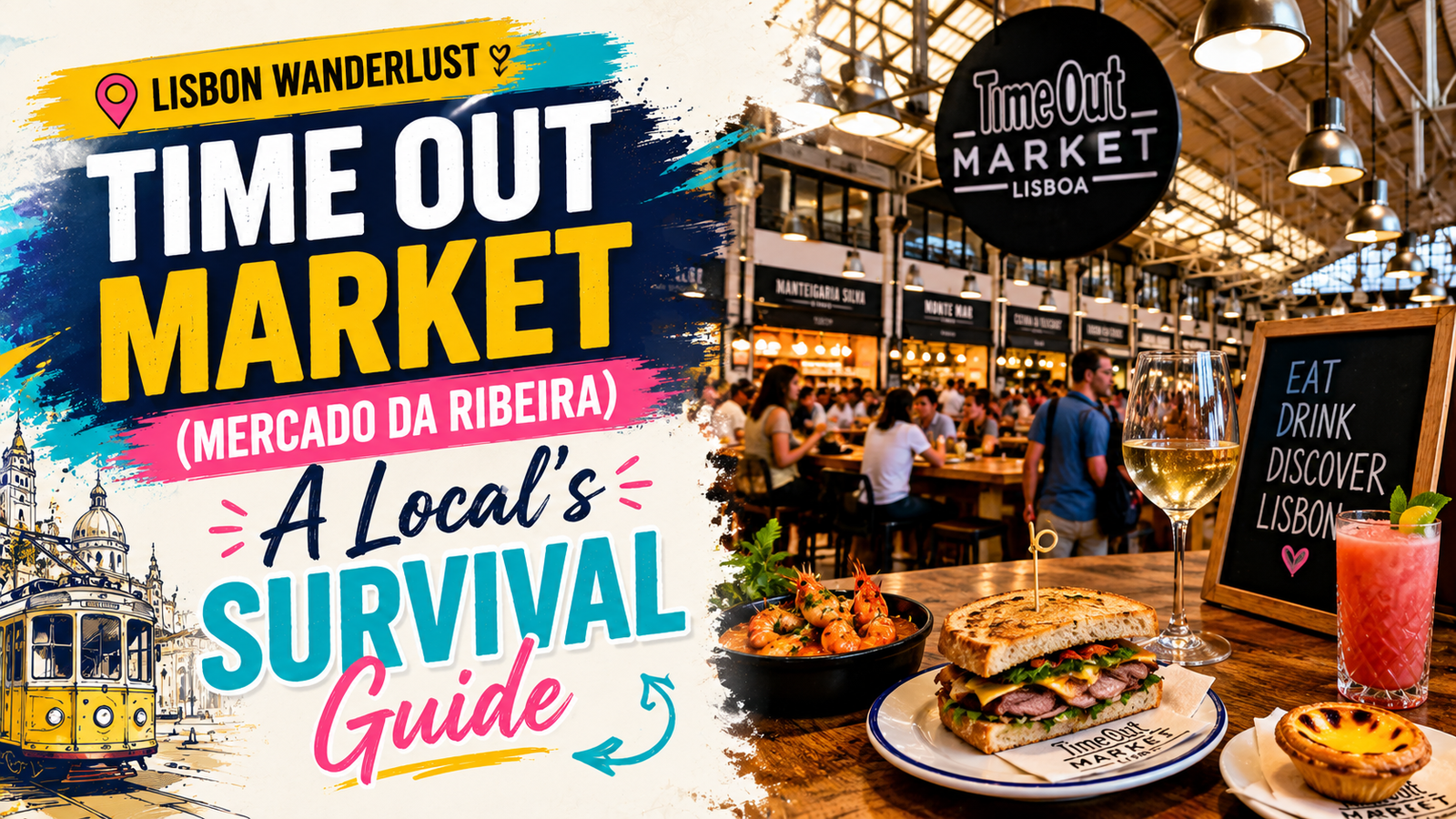
Time Out Market Lisbon, situated within the historic Mercado da Ribeira, serves as the city’s premier gastronomic hub. Located directly across from the Cais do Sodré transport interchange, this massive food hall occupies a 19th-century industrial landmark. It combines a traditional fresh produce market with over 40 high-end kiosks curated by culinary experts.
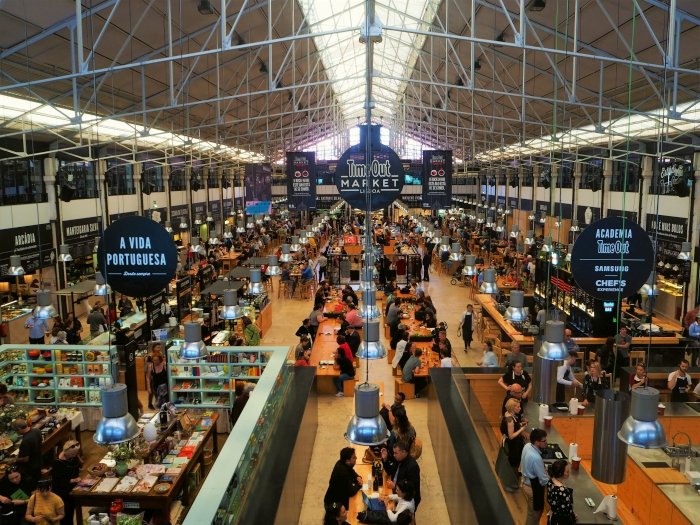
The venue is strategically divided into two distinct sections to cater to different visitor needs. The eastern wing retains its legacy as a wholesale and retail market for fresh fish, vegetables, and flowers. Meanwhile, the western wing functions as a communal dining space featuring Michelin-starred chefs and local food icons.
Navigating this landmark requires an understanding of its layout and historical significance within the Cais do Sodré district. Visitors should enter through the main northern facade to access the central dining atrium immediately. This entrance provides the most direct route to the information desk and the main seating area.
Navigational Logistics & Timing
Reaching the market is most efficient via Lisbon’s comprehensive public transportation network. The Green Metro line terminates at Cais do Sodré, which is less than a two-minute walk from the market’s entrance. Additionally, the 15E tram and multiple Cascais-bound trains stop directly adjacent to the building.
Timing is the most critical factor for ensuring a comfortable dining experience at Mercado da Ribeira. Crowds peak significantly between 13:00 and 15:00 for lunch and again after 20:00 for the dinner rush. Arriving before 12:30 or between 16:00 and 18:00 grants easier access to the communal wooden benches.
Operational hours are strictly enforced, though individual vendors in the traditional wing may close earlier if stock is depleted. The food hall side remains open late, making it a reliable option for late-night dining in the city center. Be aware that the flower market operates on a slightly different schedule, often staying open later than the fishmongers.
The Culinary Blueprint: Vendor Breakdown
The market features a selection of kiosks categorized by their culinary style and the prestige of their head chefs. High-profile sections include permanent stalls from Michelin-awarded chefs such as Alexandre Silva and Henrique Sá Pessoa. These kiosks offer gourmet-level dishes at a fraction of the price found in their standalone fine-dining restaurants.
Traditional Portuguese flavors are represented by iconic names like Manteigaria for custard tarts and Sea Me for seafood. Visitors seeking regional specialties should look for the “Cozinha da Felicidade” for modern twists on classic petiscos. Prices for main courses in these sections typically range from €12 to €25 depending on the ingredients.
International cuisine also maintains a strong presence within the market’s curated selection. Options range from authentic Italian pastas at Zero Zero to Asian fusion and high-quality burgers at Ground Burger. This diversity ensures that group travelers with varying dietary requirements can find suitable options within the same hall.
The Survival Guide: Tactical Advice
The seating arrangement at Time Out Market is strictly communal and operates on a first-come, first-served basis. One person should secure a spot at the long wooden tables while others in the group order from different kiosks. During peak hours, it is common to wait behind seated diners for a spot to become available.
Most vendors utilize a buzzing pager system to alert customers when their order is ready for collection. This allows diners to return to their seats rather than standing in narrow aisles and obstructing foot traffic. It is essential to note that the market is a “card-preferred” environment, with many stalls no longer accepting cash.
For a quieter experience, visitors should head to the mezzanine level which offers a broader view of the hall below. This upper floor houses the Time Out Academy, a specialized cooking school, and additional bar seating. Restrooms are also located on this upper level and require a small fee or a valid receipt for entry.
Historical Context & Architecture
The Mercado da Ribeira has functioned as the primary wholesale market for Lisbon since its inauguration in 1892. Its architecture is a notable example of late 19th-century ironwork, featuring a distinctive large dome and Moorish-style windows. The structure was significantly refurbished in 2014 to integrate the modern food hall concept while preserving its heritage.
The exterior facade remains largely unchanged, showcasing the classic white and yellow color palette typical of Lisbon’s public buildings. Inside, the contrast between the historic stone walls and the sleek black signage of the kiosks creates a contemporary industrial aesthetic. This renovation has been credited with the revitalization of the entire Cais do Sodré waterfront district.
Understanding the building’s past provides context for its current role as a cultural bridge. It transitioned from a strictly functional supply center for the city’s restaurants to a public-facing culinary gallery. Today, it stands as a successful model for urban regeneration and historic preservation in Portugal.
The Traditional Side: Mercado da Ribeira
The eastern wing of the building continues to serve the local community as Lisbon’s primary fresh food market. Every morning from 06:00 to 14:00, vendors sell high-quality produce, including seasonal fruits, leafy vegetables, and regional cheeses. This section provides a stark contrast to the modern food hall, offering a glimpse into the daily lives of resident Lisboetas.
The fish market within this wing is particularly renowned for its variety and the freshness of its daily catch. Professional chefs from across the city arrive in the early hours to source Atlantic sardines, octopus, and diverse shellfish. To witness the peak of this activity, visitors should aim to arrive no later than 09:00 before the best selections are sold.
Beyond fresh perishables, the traditional side also hosts specialized stalls for Portuguese pantry staples and artisanal goods. Shops like Conserveira de Lisboa offer a curated selection of gourmet canned seafood, which serves as a durable and authentic souvenir. The flower market, located near the eastern entrance, remains open until 20:00, providing vibrant displays and fragrant botanicals throughout the day.
Hidden Gems & Specialized Services
The mezzanine level houses the Time Out Studio, a versatile event space with a capacity for 1,000 guests. This area frequently hosts live concerts, theatrical performances, and stand-up comedy throughout the week. Visitors should check the digital schedule at the information post to coordinate their meal with a cultural event.
For travelers arriving directly from the airport or train station, a specialized luggage storage service is available near the market. LuggageHero operates multiple verified points where bags can be stored for approximately €1 per hour. This allows for a hands-free dining experience without the burden of heavy suitcases in crowded aisles.
The Time Out Academy offers a deeper immersion into Portuguese gastronomy through structured cooking workshops. These sessions range from 90-minute “Masterclasses” on Pastel de Nata to comprehensive traditional meal preparation. Participants learn from professional chefs in a modern kitchen environment located on the first floor.
Vehicle Access & Parking Logistics
Driving to the Cais do Sodré district is generally discouraged due to heavy traffic and limited street availability. However, the Mercado da Ribeira – Cais do Sodré underground car park offers the most convenient vehicle access for those arriving by car. Access to this facility is located via Praça Dom Luís I, situated directly behind the main building.
The parking garage is equipped with CCTV and 24-hour customer support for maximum vehicle security. Electric vehicle owners will find specialized charging stations integrated into the lower parking levels. Using the Telpark app is highly recommended to manage payments and avoid queuing at the physical ticket machines.
Neighborhood Integration: Cais do Sodré
The market serves as the gateway to the vibrant Pink Street (Rua Nova do Carvalho), located just a three-minute walk away. This area was once a gritty maritime hub but has transformed into one of the city’s most famous nightlife corridors. Visiting the market for an early dinner provides the perfect starting point before exploring the surrounding bars.
To the south, the Ribeira das Naus offers a scenic promenade along the Tagus River for post-meal walks. This renovated waterfront features green spaces, stone steps leading into the water, and several outdoor kiosks for sunset views. It remains one of the most popular spots for locals to relax during the golden hour.
For those seeking a different market atmosphere, the Mercado 31 de Janeiro in the nearby Saldanha area offers an even more local experience. While Time Out Market focuses on the gourmet side, 31 de Janeiro is where many of the city’s top chefs personally source their daily fish. Including a visit to both markets provides a complete overview of Lisbon’s diverse culinary landscape.
FAQs
Are dogs allowed inside Time Out Market Lisbon?
Pets are generally not permitted inside the indoor dining areas of the market due to health and safety regulations. Service animals are the only exception to this rule and must be clearly identified. Travelers with pets may utilize the outdoor terrace seating located on the western side of the building facing Dom Luis I Square.
Do visitors need to make reservations for a table?
The market operates on a strictly walk-in basis for all communal seating areas in the main hall. Reservations are only available for select full-service restaurants located on the mezzanine level, such as Pap’Açorda. For the main food hall, it is recommended to arrive outside of standard meal times to secure a seat easily.
Is Time Out Market considered an expensive dining option?
Prices at the market are higher than traditional local “tascas” due to the premium nature of the vendors and its central location. A typical meal including a main dish and a beverage usually costs between €18 and €30 per person. However, the quality of the ingredients and the participation of Michelin-starred chefs provide significant value compared to standard tourist restaurants.
What is the best way to handle payments at the kiosks?
Most vendors within the food hall have transitioned to a card-only or “contactless preferred” payment system for faster service. While some stalls may still accept cash, having a debit or credit card is essential for a seamless experience. International visitors should ensure their cards are enabled for European chip-and-pin or contactless transactions before arriving.
Does the market offer options for vegetarians or vegans?
Several kiosks provide plant-based alternatives, including specialized salads, vegetarian sushi, and Italian vegetable dishes. Vendors like Cozinha da Felicidade and various juice bars offer clear labeling for dietary restrictions on their menus. It is advisable to scan the digital menus or physical boards at each stall as offerings change seasonally.
Summary of Essential Market Data
This guide provides the necessary logistical framework for a successful visit to one of Europe’s most famous culinary landmarks. By prioritizing timing and understanding the layout of the dual-purpose building, visitors can navigate the crowds effectively. The blend of 19th-century history and modern gastronomy ensures that Time Out Market remains a cornerstone of the Lisbon travel experience.