
Cascais: The Ultimate Guide to Lisbon’s Favorite Seaside Retreat
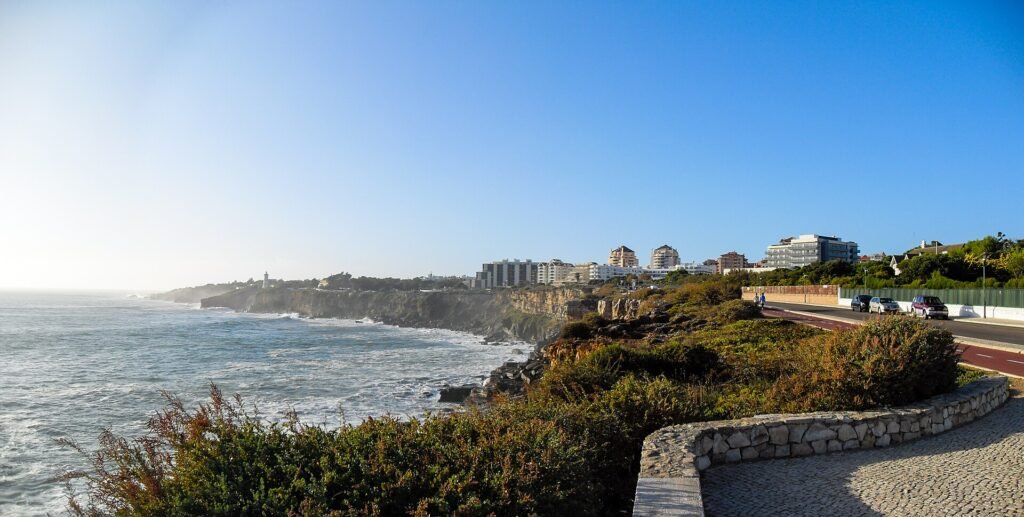
Cascais is a coastal resort town located 25 kilometers west of Lisbon. Once a small fishing village, it gained fame as the summer retreat for Portuguese royalty in the 1800s. Today, it serves as a primary destination for travelers seeking beaches, historical museums, and Atlantic scenery.
This town marks the end of the Estoril coastline. It sits where the Tejo River meets the Atlantic Ocean. Visitors often visit for a day trip, though the area has enough landmarks for a multi-day stay.
Quick Planning Overview
The town is accessible and easy to navigate on foot. Most major sites are within a 20-minute walk of the train station. This guide provides the logistics and facts needed for a successful visit.
Transportation Mastery (Lisbon to Cascais)
The most efficient way to reach Cascais is by using the suburban train line. Trains depart from the Cais do Sodré station in central Lisbon. This station is connected to the Green Metro line and several major tram routes.
The train journey typically takes 33 to 40 minutes depending on the number of stops. In 2026, trains run approximately every 20 to 30 minutes throughout the day. The service begins early in the morning and continues until 1:30 AM.
A one-way ticket costs between €2.40 and €3.00. Travelers must use the Viva Viagem or Navegante rechargeable card. The card itself costs €0.50 and can be purchased at any station vending machine.
For the best views of the Tagus River and the coastline, passengers should sit on the left side of the train when departing Lisbon. This side faces the water for the entire duration of the trip. The tracks run directly along the shoreline, passing through Estoril and Parede.
Driving from Lisbon to Cascais takes roughly 30 to 45 minutes. The A5 motorway is the fastest route but involves tolls. The N6 (Avenida Marginal) is a slower, scenic coastal road with no tolls but significant traffic during rush hours.
The Beaches (North vs. South Coast)
Cascais offers two distinct types of coastlines. The southern coast features calm, sheltered waters suitable for families. The western coast, facing the Atlantic, is characterized by strong winds and high waves used for water sports.
Praia da Rainha is a small, central beach located near the main pedestrian street. It is tucked between cliffs and offers a quiet atmosphere with clear water. Visitors can access it via a stone staircase from the Largo da Praia da Rainha.
Praia da Conceição and Praia da Duquesa are the largest connected beaches in the town center. These beaches have a wide sandy area and are supervised by lifeguards during the summer season. Facilities include public showers, beach umbrella rentals, and several nearby restaurants and bars.
Praia do Tamariz is located in Estoril, a short walk along the promenade from Cascais. This beach is famous for the Piscina Oceânica, a saltwater swimming pool that is free to enter. The pool is safer for children because it is protected from the open sea.
Guincho Beach (Praia do Guincho) is located 6 kilometers north of the town center. It is a world-renowned spot for surfing and windsurfing due to the consistent northwest winds. To reach it, travelers can take Bus 405 or 415 from the terminal near the train station or use a dedicated cycling path.
Cultural Landmarks & Architecture
The Museum Quarter (Bairro dos Museus) is a dedicated area in Cascais that contains 16 different cultural venues. Most of these sites are located within a five-minute walk of each other. Visitors can purchase a single daily pass or buy individual tickets for each museum.
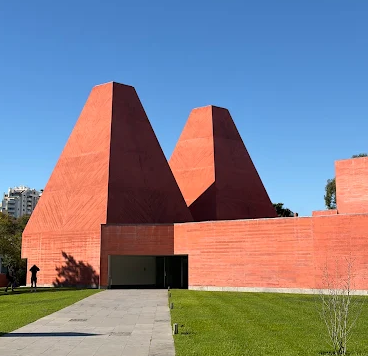
Casa das Histórias Paula Rego is a major highlight, recognizable by its two large red pyramid-shaped towers. It houses the works of the famous Portuguese-British artist Paula Rego. Tickets generally cost €5.00 for adults, with discounts available for seniors and students.
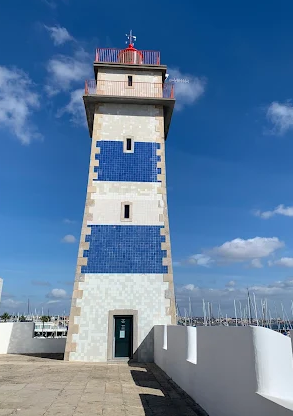
The Santa Marta Lighthouse Museum provides information on the history of Portuguese lighthouses. It is still an active lighthouse, but the museum section is open to the public from Tuesday to Sunday, 10 AM to 6 PM. It sits at the edge of the Cascais Marina, offering a panoramic view of the coastline.
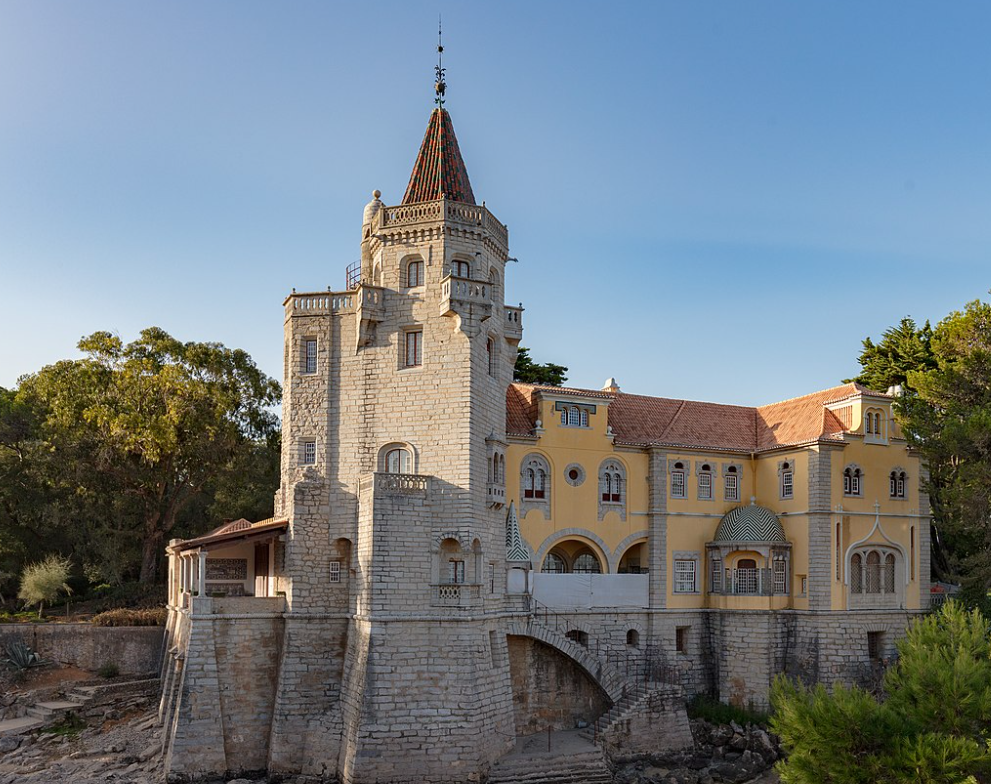
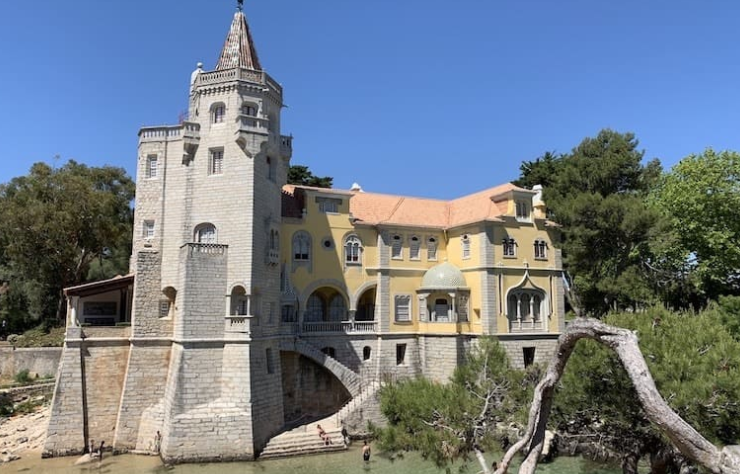
Condes de Castro Guimarães Museum is located inside a coastal mansion built in the early 1900s. The building features an impressive library with over 25,000 books and a collection of prehistoric archaeological finds. The museum is surrounded by the Marechal Carmona Park, which is free to enter.
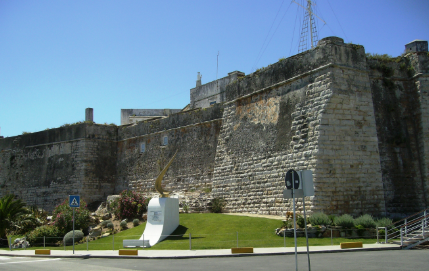
The Citadel of Cascais (Cidadela) is a 15th-century fortress that once protected the town from pirates. Today, it contains a high-end hotel, art galleries, and a cultural center. It is an open space where visitors can walk through the courtyards and see historic cannons.
Natural Wonders (Boca do Inferno & Beyond)
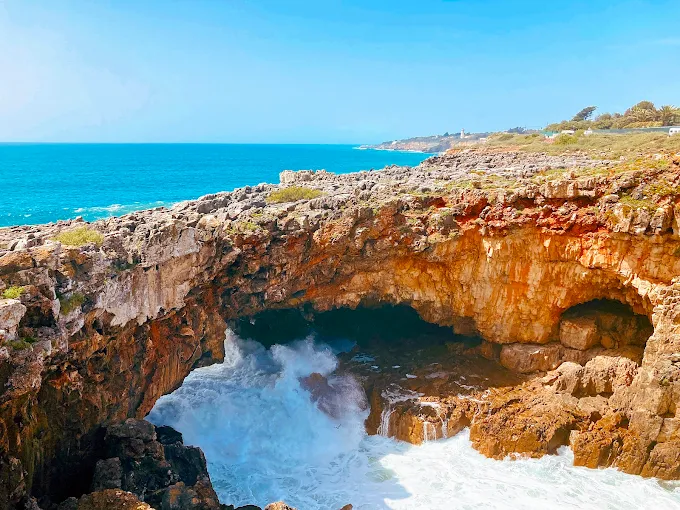
Boca do Inferno, or the “Mouth of Hell,” is a unique cliff formation located 1.5 kilometers west of the Cascais Marina. Over centuries, Atlantic waves have eroded a sea cave, causing the roof to collapse and creating a massive stone arch. When the tide is high or the sea is rough, the water crashes into the cave with a loud, booming sound.
The site is free to visit and is open 24 hours a day. Travelers can reach it by walking for approximately 20 minutes from the town center along Avenida Rei Humberto II de Itália. This coastal road features a wide sidewalk and a dedicated bike lane, making it a safe and flat route for all ages.
For those who prefer not to walk, the M27 bus departs regularly from the Cascais train station and stops directly at the site. There is also a small parking lot nearby for those traveling by car. A small market and several cafes are located next to the viewing platform for refreshments.
Visitors should stay on the designated paved paths and behind the metal railings at all times. The limestone rocks can be slippery when wet, and the Atlantic winds are often very strong in this area. A small plaque near the entrance marks the spot where the famous occultist Aleister Crowley faked his death in 1930.
Dining & Gastronomy (Truthful Information)
Dining in Cascais centers heavily on fresh Atlantic seafood. In the historic center, many restaurants display the “Catch of the Day” on beds of ice near the entrance. Polvo à Lagareiro (roasted octopus with olive oil and garlic) and Arroz de Marisco (seafood rice) are the most traditional dishes to order.
Prices for a standard lunch in the town center range from €15 to €25 per person. High-end seafood restaurants overlooking the water, such as those near the Marina or Boca do Inferno, typically charge €40 to €60 per person for a full meal. For a more budget-friendly option, visitors look for the “Prato do Dia” (Plate of the Day), which usually costs around €10 to €12.
Santini is the most famous ice cream shop in Portugal and has its roots in Cascais, having opened in 1949. It is located on Alameda Combatentes da Grande Guerra. The shop is known for using real fruit and no artificial colorings; popular flavors include strawberry, mango, and bitter chocolate.
Lines at Santini can be long during summer afternoons, but the service is fast and organized. Customers must pay at the counter first and then take their receipt to the server to choose their flavors. Most scoops cost between €3.50 and €6.00 depending on the size of the cone or cup.
Practical “Know-Before-You-Go”
Cascais is a very walkable town, but the streets are paved with Calçada Portuguesa (traditional limestone cobbles). These stones are beautiful but can become very slippery when wet or worn down. It is highly recommended to wear flat shoes with good grip rather than heels or flip-flops for a full day of sightseeing.
The town offers a free bicycle rental system known as BiCas. There are several kiosks, including one right outside the train station and another near the Marina. To use a bike, visitors must provide a valid ID (such as a passport) and can use the bike for up to two hours for free within the town limits.
Public restrooms are available at the train station, the Cascais Marina, and inside the various museums of the Museum Quarter. There is also a public toilet located near the Praia da Conceição. Most facilities require a small coin payment of €0.50 for maintenance.
Free Wi-Fi is provided by the municipality in major public squares and near the beaches under the network name “Cascais WiFi.” For the best mobile signal, it is noted that the coastal train route sometimes has “dead zones” between the tunnels near Belem and Algés.
The Perfect 1-Day Itinerary
A day trip to Cascais is most effective when starting early to avoid the midday heat and crowds. Travelers should aim to arrive at the Cascais train station by 9:30 AM. This timing allows for a full loop of the town’s primary coastal and cultural sites before the afternoon rush.
Morning (9:30 AM – 12:30 PM): Coastal Walk and Nature Begin by walking from the station toward Praia da Rainha, the most photogenic central cove. Follow the coastline west past the Marina to reach Boca do Inferno. Visiting this natural chasm in the morning provides the best lighting for photography and cooler temperatures for the 20-minute walk.
Lunch (12:30 PM – 2:00 PM): Historic Center Return to the town center and explore the narrow pedestrian streets around Rua Frederico Arouca. This area contains a variety of traditional seafood restaurants and quick-service cafes. After lunch, visit the Santini shop for a traditional gelato before heading to the Museum Quarter.
Afternoon (2:00 PM – 5:00 PM): Culture and Parks Spend the afternoon at the Museum Quarter, specifically focusing on the Condes de Castro Guimarães Museum and its surrounding park. The Parque Marechal Carmona offers shaded areas and public benches, which are ideal for resting. If time permits, a visit to the Santa Marta Lighthouse provides excellent views of the Atlantic.
Evening (5:00 PM – Sunset): The Promenade Finish the day by walking the flat, 3-kilometer promenade that connects Cascais to Estoril. This path, known as the Paredão, passes several beaches and seawater swimming pools. Travelers can then take the return train to Lisbon directly from the Estoril station, avoiding the need to walk back to the Cascais starting point.
Conclusion and Final Travel Tips
In 2026, Cascais remains the most accessible coastal escape from Lisbon. Success for visitors depends on understanding the logistics of the regional train line and the walking nature of the town. Using the official Viva Viagem card and wearing rubber-soled shoes are the two most practical steps for any traveler.
For those planning to visit museums, remember that most venues are closed on Mondays. Checking the official “Bairro dos Museus” website for current exhibition schedules is recommended. Weather in May and June is typically mild, with daytime highs of 21°C to 23°C, making it the peak season for outdoor exploration.
Always carry a small amount of cash in Euros for public restrooms or small cafes that may not accept international credit cards for low-value purchases. Cascais is a safe, clean, and highly organized destination that provides a factual look into Portugal’s royal and maritime history.